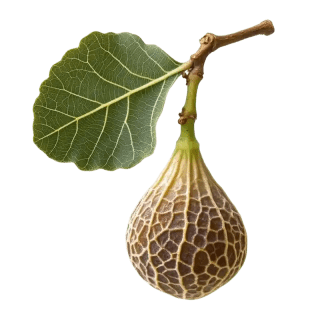
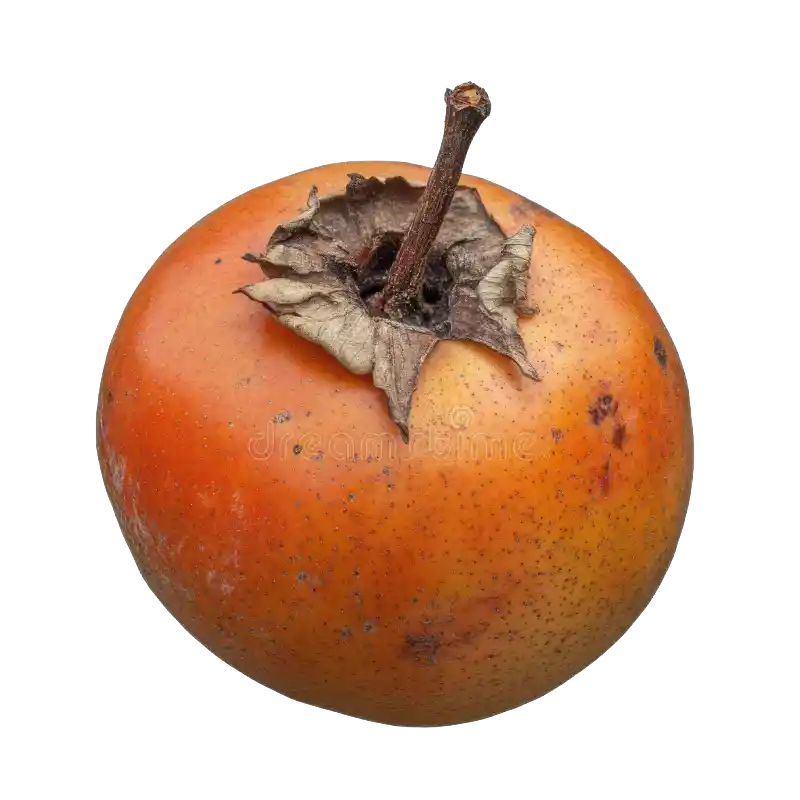
Introductionمقدّمة
Diospyros melanoxylon — Coromandel ebony, Tendu — is a tree best known for its leaves (used to roll bidis) whose bark, fruit and leaves are used in traditional medicine for diarrhoea, wounds, the skin and blood sugar.الأبنوس الهندي (Diospyros melanoxylon) — «تيندو» — شجرةٌ تُعرف بأوراقها (تُستعمل للفّ السجائر الشعبية «بيدي»)، ويُستعمل لحاؤها وثمرها وأوراقها في الطبّ التقليدي للإسهال والجروح والجلد وسكر الدم.
Categoryالفئة
• Astringent / antidiarrhoeal
• Antioxidant
• Antidiabetic (preclinical)
• Anti-inflammatory
• Wound remedy• قابض / مضادّ للإسهال
• مضاد للأكسدة
• مضادّ للسكري (أوّلي)
• مضاد للالتهاب
• علاجٌ للجروح
Habitatالموطن
A deciduous tree of dry forests across central and peninsular India, with edible orange fruit.شجرةٌ نفضيّة في الغابات الجافّة بوسط وشبه جزيرة الهند، بثمارٍ برتقالية صالحة للأكل.
Parts usedالأجزاء المستخدمة
• Bark
• Fruit
• Leaves
• Seeds• اللحاء
• الثمرة
• الأوراق
• البذور
Key constituentsالمكوّنات الفعّالة
• Tannins
• Triterpenoids (lupeol, betulin)
• Flavonoids
• Naphthoquinones
• Sterols• عفص
• تربينات ثلاثية (لوبيول، بيتولين)
• فلافونويدات
• نافثوكينونات
• ستيرولات
Researchالأبحاث
Studies report astringent, antioxidant, blood-sugar-lowering, anti-inflammatory and antimicrobial effects of the bark, fruit and leaves; the ripe fruit is eaten and helps keep blood sugar steady. Human clinical evidence is limited.تذكر الدراسات تأثيراتٍ قابضة ومضادة للأكسدة وخافضة لسكر الدم ومضادة للالتهاب والميكروبات للحاء والثمرة والأوراق؛ وتُؤكل الثمرة الناضجة وتساعد على ثبات سكر الدم. والأدلة السريرية البشرية محدودة.
Traditional useالاستخدام التقليدي
Used in traditional medicine for diarrhoea and dysentery, wounds and skin diseases, blood sugar, and the ripe fruit as food.تُستعمل في الطبّ التقليدي للإسهال والزحار والجروح والأمراض الجلدية وسكر الدم، والثمرة الناضجة طعاماً.
Current useالاستخدام الحالي
Used as bark decoction and powder, and the fruit as food; leaves used commercially for bidis.يُستعمل مغليّ لحاء ومسحوقاً، والثمرة طعاماً؛ وتُستعمل الأوراق تجارياً للسجائر الشعبية.
Preparationsالتحضيرات
Bark decoction, Powder, Ripe fruit (food)مغليّ اللحاء، مسحوق، الثمرة الناضجة (طعام)
Used for these conditionsيُستخدم لهذه الحالات
Adult dosageجرعة البالغين
Traditional use per practitioner; fruit as food.تقليدياً بحسب المختصّ؛ والثمرة طعاماً.
Child dosageجرعة الأطفال
Ripe fruit is fine; therapeutic use under guidance.الثمرة الناضجة مقبولة؛ والاستعمال العلاجي بإشراف.
Cautionتحذيرات
The ripe fruit is a safe food (eat only when fully ripe — very unripe fruit is astringent and can upset the stomach). It may lower blood sugar (take care with diabetes medicines), and its tannins can reduce iron/drug absorption, so separate them in time.الثمرة الناضجة طعامٌ آمن (تُؤكل ناضجةً تماماً — والثمرة غير الناضجة جداً قابضة وقد تُزعج المعدة). وقد يخفض سكر الدم (انتبه مع أدوية السكري)، وعفصه قد يقلّل امتصاص الحديد/الأدوية، فباعِد بينها زمنياً.
Pregnancy & nursingالحمل والرضاعة
Ripe fruit is fine as food; avoid concentrated bark/leaf doses in pregnancy.الثمرة الناضجة مقبولة طعاماً؛ وتُتجنَّب جرعات اللحاء/الأوراق المركّزة في الحمل.