
Introductionمقدّمة
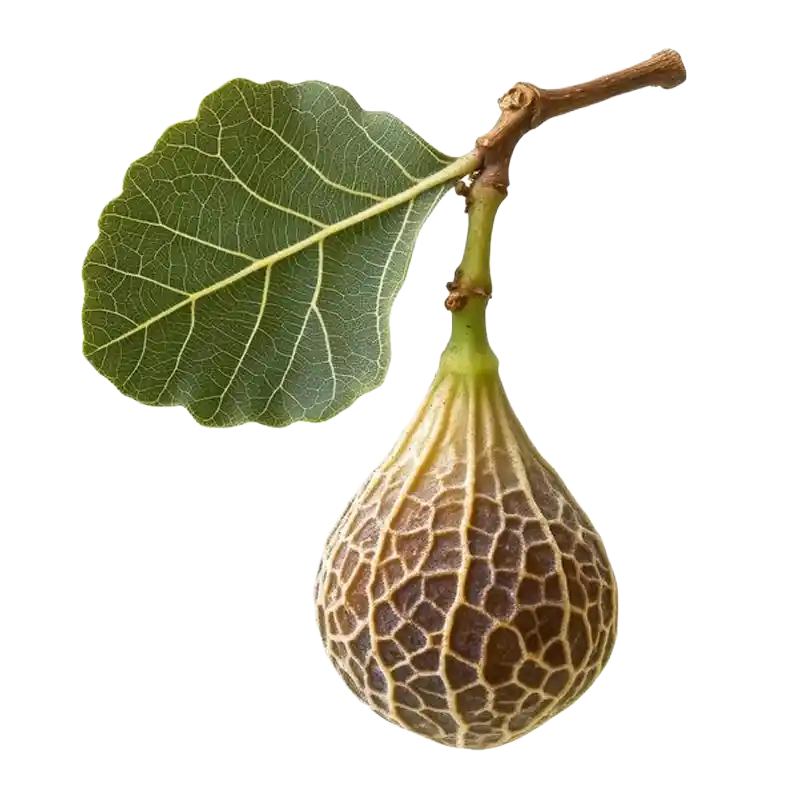
Ficus sycomorus (sycamore fig, jummayz) is a large fig tree of Africa and the Middle East bearing edible figs, famous since antiquity. Its bark, latex, leaves and fruit are used in folk medicine for diarrhoea, coughs, wounds, infections and diabetes, and Ficus species are documented for antimicrobial, antioxidant and antidiabetic activity.الجُمَّيْز (Ficus sycomorus، تين الجميز) شجرة تينٍ كبيرة في إفريقيا والشرق الأوسط تحمل تيناً صالحاً للأكل، مشهورة منذ القِدَم. ويُستعمل لحاؤها ولبنها وأوراقها وثمرها في الطبّ الشعبي للإسهال والسعال والجروح والعدوى والسكري، وأنواع التين موثّقة بنشاطٍ مضاد للميكروبات والأكسدة والسكري.
Categoryالفئة
• Sycamore fig tree (Moraceae)
• Nutritious edible fig
• Antimicrobial, antioxidant & antidiabetic (studied)
• Antidiarrhoeal & anti-inflammatory
• Wound & chest remedy (bark/latex)• شجرة الجُمَّيْز (الفصيلة التوتية)
• تينٌ صالح للأكل مُغذٍّ
• مضادّة للميكروبات والأكسدة والسكري (مدروسة)
• مضادّة للإسهال والالتهاب
• علاجٌ للجروح والصدر (اللحاء/اللبن)
Habitatالموطن
A large spreading fig tree of riverbanks, savanna and valleys across Africa, the Nile valley, the Levant and Arabia.شجرة تينٍ كبيرة منتشرة على ضفاف الأنهار والسافانا والوديان عبر إفريقيا ووادي النيل والشام والجزيرة.
Parts usedالأجزاء المستخدمة
• Fruit
• Bark
• Latex (sap)
• Leaves• الثمر
• اللحاء
• اللبن (النَّسْغ)
• الأوراق
Key constituentsالمكوّنات الفعّالة
• Flavonoids
• Tannins
• Triterpenes & sterols
• Coumarins (psoralen in latex)
• Sugars & fibre (fruit)• فلافونويدات
• تانينات
• تريتربينات وستيرولات
• كومارينات (بسورالين في اللبن)
• سكّريات وألياف (الثمر)
Researchالأبحاث
Ficus sycomorus, within the well-studied genus Ficus, shows antimicrobial, antioxidant, antidiabetic and anti-inflammatory activity in laboratory and animal studies of its bark, leaf and fruit; genus-wide Ficus reviews confirm these actions and its nutritional value. Its figs are a genuinely nutritious food. Evidence for specific therapeutic claims is preclinical.الجُمَّيْز، ضمن جنس التين المدروس جيداً، يُظهر نشاطاً مضاداً للميكروبات والأكسدة والسكري والالتهاب في الدراسات المخبرية والحيوانية للحائه وورقه وثمره؛ وتؤكّد مراجعات جنس التين هذه الأعمال وقيمته الغذائية. وتينه غذاءٌ مُغذٍّ حقيقي. والدليل على الادّعاءات العلاجية المخصوصة قبل سريري.
Published researchأبحاث منشورة
Traditional useالاستخدام التقليدي
Figs eaten as food; bark, latex and leaves used across Africa and the Near East for diarrhoea and dysentery, for coughs, chest complaints and sore throat, for diabetes, for wounds, warts and skin problems (latex), for infertility and 'women's' complaints, and as a general tonic.يُؤكَل التين غذاءً؛ ويُستعمل اللحاء واللبن والأوراق عبر إفريقيا والشرق الأدنى للإسهال والزحار وللسعال وشكاوى الصدر والتهاب الحلق وللسكري وللجروح والثآليل ومشكلات الجلد (اللبن) وللعقم وشكاوى «النساء» ومقوّياً عاماً.
Current useالاستخدام الحالي
Grown for its edible figs; used as a folk remedy for diarrhoea, coughs, wounds and diabetes; studied for antimicrobial and antidiabetic activity.تُزرَع لتينها الصالح للأكل؛ وتُستعمل علاجاً شعبياً للإسهال والسعال والجروح والسكري؛ وتُدرَس لنشاطها المضاد للميكروبات والسكري.
Preparationsالتحضيرات
• Edible figs
• Bark/leaf decoction
• Latex (topical, warts/skin)
• Poultice• تين صالح للأكل
• مغليّ اللحاء/الورق
• اللبن (موضعي، للثآليل/الجلد)
• لبخة
Used for these conditionsيُستخدم لهذه الحالات
☾ Prophetic reference☾ إشارة نبوية
The sycamore fig (jummayz) is an ancient and celebrated tree of Egypt, the Levant and the Near East, mentioned in classical and scriptural literature (it is the fig-mulberry of the Bible). The fig in general is honoured in Islam — the Qur'an swears by 'the fig and the olive' (Sūrat al-Tīn) — though the fig of that verse is usually understood as the common fig (Ficus carica). F. sycomorus is thus a revered heritage fig tree of the region rather than a specifically-named prophetic prescription.الجُمَّيْز شجرة قديمة مشهورة في مصر والشام والشرق الأدنى، وردت في الأدب الكلاسيكي والنصوص المقدّسة (وهي «تين الجميز» في الكتاب المقدّس). والتين عموماً مُكرَّم في الإسلام — أقسم القرآن بـ«التين والزيتون» (سورة التين) — وإن كان تين الآية يُفهَم غالباً التين الشائع (Ficus carica). فالجُمَّيْز شجرة تينٍ تراثية مُبجَّلة في المنطقة لا وصفةٌ نبوية مسمّاة بعينها.
Adult dosageجرعة البالغين
Figs freely as food; bark/leaf decoction in traditional amounts; latex only topically on warts/wounds; per traditional practice.التين بحرّية غذاءً؛ مغليّ اللحاء/الورق بكميات تقليدية؛ اللبن موضعياً فقط على الثآليل/الجروح؛ بحسب الممارسة التقليدية.
Child dosageجرعة الأطفال
Figs are a healthy children's food; medicinal bark/latex doses only with guidance.التين غذاءٌ صحّي للأطفال؛ وجُرَع اللحاء/اللبن الطبية بإرشادٍ فقط.
Cautionتحذيرات
The figs are a safe, nourishing food. The milky latex is irritant and photosensitising (contains psoralens) — use it only sparingly on warts/skin, keep it out of the eyes, and avoid sun on treated skin. Bark/leaf may lower blood sugar, so diabetics should use caution; dosing is not standardised.التين غذاءٌ آمن مُغذٍّ. واللبن الحليبي مهيّج ومُحسِّس للضوء (يحوي بسورالينات) — يُستعمل بقلّة على الثآليل/الجلد فقط، ويُبعَد عن العينين، ويُتجنَّب تعريض الجلد المعالَج للشمس. وقد يخفض اللحاء/الورق سكر الدم، فعلى مرضى السكري الحذر؛ والجرعة غير مقنّنة.
Pregnancy & nursingالحمل والرضاعة
Figs as food are fine; avoid concentrated bark/latex medicinal use in pregnancy without guidance (latex is irritant).التين غذاءً مقبول؛ وتُتجنَّب الاستعمالات الطبية المركّزة للحاء/اللبن في الحمل دون إرشاد (اللبن مهيّج).


