
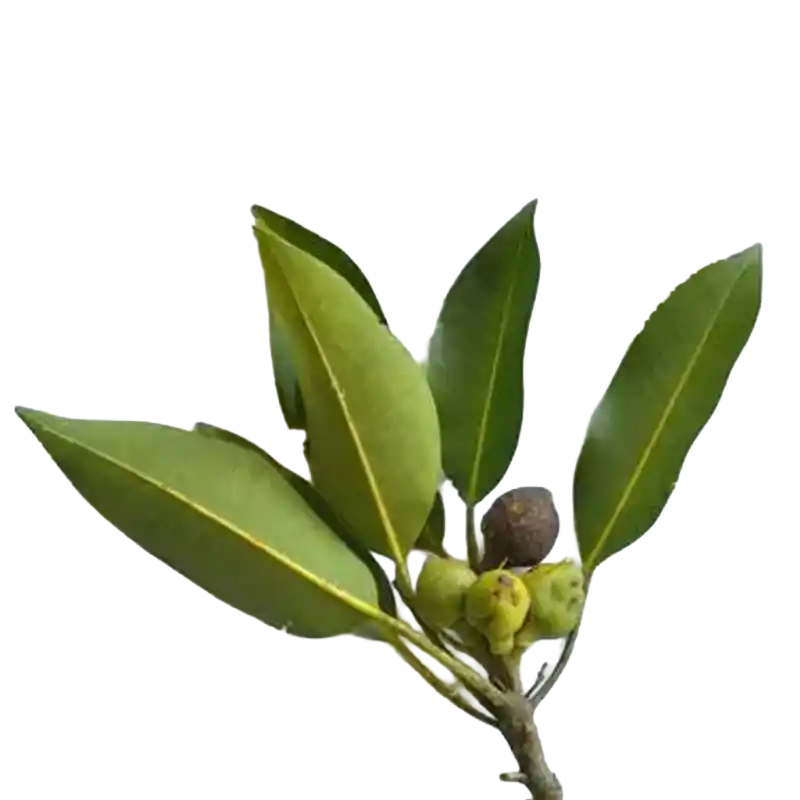
Introductionمقدّمة
Ficus thonningii (common wild fig, strangler fig) is a widespread African fig tree, one of the most-used medicinal figs. Its bark, leaves and latex are taken for diabetes, diarrhoea, infections, coughs, wounds and 'milk'/fertility complaints, and it is a well-studied antidiabetic plant with antioxidant, antimicrobial and anti-inflammatory activity.تين ثونينغ (Ficus thonningii، التين الخانق البرّي) شجرة تينٍ إفريقية واسعة الانتشار، من أكثر أنواع التين الطبية استعمالاً. ويُؤخَذ لحاؤها وأوراقها ولبنها للسكري والإسهال والعدوى والسعال والجروح وشكاوى «الحليب»/الخصوبة، وهي نبتةٌ مضادّة للسكري مدروسة جيداً بنشاطٍ مضاد للأكسدة والميكروبات والالتهاب.
Categoryالفئة
• African wild fig tree (Moraceae)
• Antidiabetic & antioxidant (studied)
• Antimicrobial & anti-inflammatory
• Antidiarrhoeal & wound-healing
• Nutritious fig & fodder• شجرة تينٍ برّي إفريقية (الفصيلة التوتية)
• مضادّة للسكري والأكسدة (مدروسة)
• مضادّة للميكروبات والالتهاب
• مضادّة للإسهال ومُلئِمة للجروح
• تينٌ مُغذٍّ وعلف
Habitatالموطن
A large evergreen (often strangler) fig of woodland, savanna and highlands across sub-Saharan Africa.شجرة تينٍ كبيرة دائمة الخضرة (خانقة غالباً) في الأحراش والسافانا والمرتفعات عبر إفريقيا جنوب الصحراء.
Parts usedالأجزاء المستخدمة
• Bark
• Leaves
• Latex (sap)
• Fruit & roots• اللحاء
• الأوراق
• اللبن (النَّسْغ)
• الثمر والجذور
Key constituentsالمكوّنات الفعّالة
• Flavonoids
• Tannins
• Triterpenes & sterols
• Saponins
• Phenolic acids• فلافونويدات
• تانينات
• تريتربينات وستيرولات
• صابونينات
• أحماض فينولية
Researchالأبحاث
Ficus thonningii is one of the better-studied African figs: reviews of its phytochemistry, pharmacology and ethnomedicine document antidiabetic, antioxidant, antimicrobial and anti-inflammatory activity, and an animal study of its stem-bark extract showed blood-glucose-lowering and effects on cardiovascular and kidney function. Evidence is preclinical (in-vitro and animal).تين ثونينغ من أكثر أنواع التين الإفريقية دراسةً: توثّق مراجعات كيميائه النباتية ودوائيّته وطبّه الشعبي نشاطاً مضاداً للسكري والأكسدة والميكروبات والالتهاب، وأظهرت دراسةٌ حيوانية لمستخلص لحاء ساقه خفضاً لسكر الدم وآثاراً في وظيفة القلب والأوعية والكلى. والأدلة قبل سريرية (مخبرية وحيوانية).
Published researchأبحاث منشورة
Traditional useالاستخدام التقليدي
Figs eaten and the tree browsed as fodder; bark, leaves and latex used across Africa for diabetes, for diarrhoea and dysentery, for coughs, colds and sore throat, for infections and urinary complaints, to promote breast milk and for fertility, and on wounds, sores and warts (latex).يُؤكَل التين وتُرعى الشجرة علفاً؛ ويُستعمل اللحاء والأوراق واللبن عبر إفريقيا للسكري وللإسهال والزحار وللسعال والزكام والتهاب الحلق وللعدوى وشكاوى البول ولإدرار حليب الثدي وللخصوبة وعلى الجروح والقروح والثآليل (اللبن).
Current useالاستخدام الحالي
Used as a widely-taken African folk remedy for diabetes, diarrhoea and infections; well studied for antidiabetic activity.يُستعمل علاجاً شعبياً إفريقياً واسع الأخذ للسكري والإسهال والعدوى؛ ومدروسٌ جيداً لنشاطه المضاد للسكري.
Preparationsالتحضيرات
• Bark/leaf decoction or infusion
• Edible figs
• Latex (topical, warts/skin)
• Poultice• مغليّ أو نقيع اللحاء/الورق
• تين صالح للأكل
• اللبن (موضعي، للثآليل/الجلد)
• لبخة
Used for these conditionsيُستخدم لهذه الحالات
☾ Prophetic reference☾ إشارة نبوية
This is an African wild fig. The fig in general is honoured in Islam — the Qur'an swears by 'the fig and the olive' (Sūrat al-Tīn) — though that verse's fig is usually understood as the common fig (Ficus carica). Ficus thonningii shares in the broad honour and heritage of the fig tree rather than being a specifically-named prophetic prescription.هذا تينٌ برّي إفريقي. والتين عموماً مُكرَّم في الإسلام — أقسم القرآن بـ«التين والزيتون» (سورة التين) — وإن كان تين الآية يُفهَم غالباً التين الشائع (Ficus carica). فتين ثونينغ يشارك في شرف شجرة التين وتراثها العريض لا كونه وصفةً نبوية مسمّاة بعينها.
Adult dosageجرعة البالغين
Bark/leaf decoction or infusion in traditional amounts; figs as food; latex only topically; per traditional practice.مغليّ أو نقيع اللحاء/الورق بكميات تقليدية؛ التين غذاءً؛ اللبن موضعياً فقط؛ بحسب الممارسة التقليدية.
Child dosageجرعة الأطفال
Figs are a healthy food; medicinal bark/latex doses only with guidance.التين غذاءٌ صحّي؛ وجُرَع اللحاء/اللبن الطبية بإرشادٍ فقط.
Cautionتحذيرات
The figs are safe food. Because bark/leaf lowers blood sugar, those on diabetes medicines should monitor and use caution to avoid additive effects. The milky latex is irritant — topical/sparing use only, kept out of the eyes. Bark's tannin makes strong long-term internal use hard on the stomach.التين غذاءٌ آمن. ولأنّ اللحاء/الورق يخفض سكر الدم، فعلى متناولي أدوية السكري المراقبة والحذر لتجنّب الأثر الإضافي. واللبن الحليبي مهيّج — يُستعمل موضعياً بقلّة فقط ويُبعَد عن العينين. وتانين اللحاء يجعل الاستعمال الداخلي القوي الطويل شاقّاً على المعدة.
Pregnancy & nursingالحمل والرضاعة
Figs as food are fine; avoid concentrated bark/latex medicinal use in pregnancy without guidance.التين غذاءً مقبول؛ وتُتجنَّب الاستعمالات الطبية المركّزة للحاء/اللبن في الحمل دون إرشاد.


