Introductionمقدّمة
Lannea acida is a West-African savanna tree whose bark, roots and leaves are used for wounds, diarrhoea, pain, and stomach and 'blood' complaints, and whose small sour fruits are eaten. Studies confirm antimicrobial, antioxidant, anti-inflammatory and antidiabetic activity.لانّيا حمضية (Lannea acida) شجرة سافانا غرب إفريقية لحاؤها وجذورها وأوراقها تُستعمل للجروح والإسهال والألم وشكاوى المعدة و«الدم»، وثمارها الصغيرة الحامضة تُؤكَل. وتؤكّد الدراسات نشاطاً مضاداً للميكروبات والأكسدة والالتهاب والسكري.
Categoryالفئة
• African bark & fruit medicine
• Antimicrobial / antioxidant
• Anti-inflammatory / analgesic
• Antidiabetic (preclinical)
• Traditional wound, gut & pain remedy• دواء لحاءٍ وثمرٍ إفريقيّ
• مضاد للميكروبات/الأكسدة
• مضاد للالتهاب/مُسكِّن
• مضاد للسكري (أوّلي)
• علاجٌ تقليدي للجروح والأمعاء والألم
Habitatالموطن
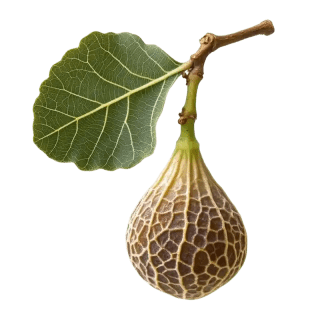
A medium deciduous tree with reddish bark and small dark, sour fruits, of savanna across West Africa.شجرةٌ نفضية متوسطة بلحاءٍ محمرّ وثمارٍ داكنة حامضة صغيرة، في السافانا عبر غرب إفريقيا.
Parts usedالأجزاء المستخدمة
• Bark
• Roots
• Leaves
• Fruit• اللحاء
• الجذور
• الأوراق
• الثمر
Key constituentsالمكوّنات الفعّالة
• Tannins & ellagitannins
• Flavonoids
• Phenolic acids
• Triterpenes
• Anthocyanins (fruit)• عفص وإيلاجيتانينات
• فلافونويدات
• أحماض فينولية
• تريتربينات
• أنثوسيانينات (الثمر)
Researchالأبحاث
Studies of Lannea acida bark and leaf extracts report antimicrobial, antioxidant, anti-inflammatory, analgesic and antidiabetic activity from their tannins and flavonoids — consistent with the traditional use for wounds, diarrhoea, pain and 'sugar'. Evidence is largely preclinical.تذكر دراسات مستخلصات لحاء وورق لانّيا حمضية نشاطاً مضاداً للميكروبات والأكسدة والالتهاب ومُسكِّناً ومضاداً للسكري من تانيناتها وفلافونويداتها — بما يتّسق مع الاستعمال التقليدي للجروح والإسهال والألم و«السكري». والأدلة أوّلية غالباً.
Published researchأبحاث منشورة
Traditional useالاستخدام التقليدي
Used across West Africa for wounds, sores and ulcers, diarrhoea and dysentery, stomach and 'blood' complaints, pain and rheumatism, diabetes, and mouth and gum problems; the sour fruit is eaten and the bark is a tan and dye.تُستعمل في غرب إفريقيا للجروح والقروح والتقرّحات والإسهال والزحار وشكاوى المعدة و«الدم» والألم والروماتيزم والسكري ومشكلات الفم واللثة؛ والثمر الحامض يُؤكَل واللحاء دبّاغٌ وصِبغة.
Current useالاستخدام الحالي
Used in West-African traditional medicine as bark/leaf decoctions; the fruit eaten. Studied for antimicrobial and antidiabetic compounds.تُستعمل في الطبّ التقليدي الغرب إفريقيّ مغليّ لحاء/ورق؛ والثمر يُؤكَل. وتُدرَس لمركّباتها المضادة للميكروبات والسكري.
Preparationsالتحضيرات
Bark/leaf decoction, Fresh fruit (food), Wound washمغليّ لحاء/ورق، ثمرٌ طازج (غذاء)، غسول جروح
Used for these conditionsيُستخدم لهذه الحالات
Adult dosageجرعة البالغين
Bark/leaf decoction in traditional amounts per practitioner; fruit eaten as food.مغليّ لحاء/ورق بكميات تقليدية بحسب المختصّ؛ والثمر يُؤكَل طعاماً.
Child dosageجرعة الأطفال
The fruit is a safe food; medicinal bark only under guidance.الثمر غذاءٌ آمن؛ واللحاء الدوائي بإشراف فقط.
Cautionتحذيرات
Generally used safely in traditional amounts, and the fruit is edible. The tannin-rich bark/root can upset the stomach and reduce iron/medicine absorption in large or prolonged doses (space them out), and any blood-sugar-lowering effect can add to diabetes medicines. Safety data are limited, so use modest amounts.تُستعمل بأمانٍ عموماً بالكميات التقليدية، والثمر صالح للأكل. وقد يُزعِج اللحاء/الجذر الغنيّ بالتانين المعدة ويقلّل امتصاص الحديد/الأدوية بالجرعات الكبيرة أو المطوّلة (باعِد بينها)، وقد يُضاف أيّ أثرٍ خافض لسكر الدم إلى أدوية السكري. وبيانات الأمان محدودة، فاستعمِل كميات معتدلة.
Pregnancy & nursingالحمل والرضاعة
Fruit is fine as food; avoid concentrated bark/root medicinal doses in pregnancy.الثمر مقبول طعاماً؛ وتُتجنَّب جرعات اللحاء/الجذر الدوائية المركّزة في الحمل.