Introductionمقدّمة
Glycyrrhiza uralensis ('gan cao', Chinese licorice) is the most-used single herb in Chinese medicine — a sweet root that 'harmonizes' formulas, tonifies the spleen/qi, moistens the lung to stop cough, and 'clears heat and resolves toxicity'. Its saponin glycyrrhizin and flavonoids give well-documented anti-inflammatory, antiviral, expectorant, gastroprotective and adrenal-modulating effects. IMPORTANT: prolonged or high-dose use can cause a 'pseudoaldosteronism' — raised blood pressure, fluid retention and low potassium.عرق السوس الصيني (Glycyrrhiza uralensis، «غان تساو») أكثر عشبة مفردة استعمالاً في الطبّ الصيني — جذرٌ حلوٌ «يُوائِم» الخلطات ويقوّي الطحال/التشي ويرطّب الرئة لإيقاف السعال و«ينقّي الحرارة ويحلّ السميّة». وسابونينه «الغليسيريزين» وفلافونويداته تمنح تأثيراتٍ موثّقة مضادة للالتهاب وللفيروسات وطاردة للبلغم وواقية للمعدة ومعدِّلة للكظر. مهمّ: الاستعمال المطوّل أو بجرعة عالية قد يُسبّب «فرط ألدوستيرون كاذباً» — ارتفاع الضغط واحتباس السوائل وانخفاض البوتاسيوم.
Categoryالفئة
• Sweet harmonizing tonic root (Fabaceae)
• 'Gan cao' — the great 'harmonizer' of Chinese formulas
• Anti-inflammatory, antiviral, expectorant & gastroprotective
• Adrenal/steroid-modulating (glycyrrhizin)
• ⚠️ Prolonged high doses raise blood pressure & lower potassium• جذر حلو مُوائم مقوٍّ (الفصيلة البقولية)
• «غان تساو» — «المُوائِم» الأعظم في الخلطات الصينية
• مضاد للالتهاب وللفيروسات وطارد للبلغم وواقٍ للمعدة
• مُعدِّل للستيرويد/الكظر (غليسيريزين)
• ⚠️ الجرعات العالية المطوّلة ترفع الضغط وتخفض البوتاسيوم
Habitatالموطن
A hardy leguminous perennial of dry steppes and sandy soils in northern China, Mongolia and Central Asia; the sweet root and stolon are harvested.معمّرة بقولية صلبة في السهوب الجافة والتُرَب الرملية بشمال الصين ومنغوليا وآسيا الوسطى؛ يُجمَع الجذر الحلو والمَدّاد.
Parts usedالأجزاء المستخدمة
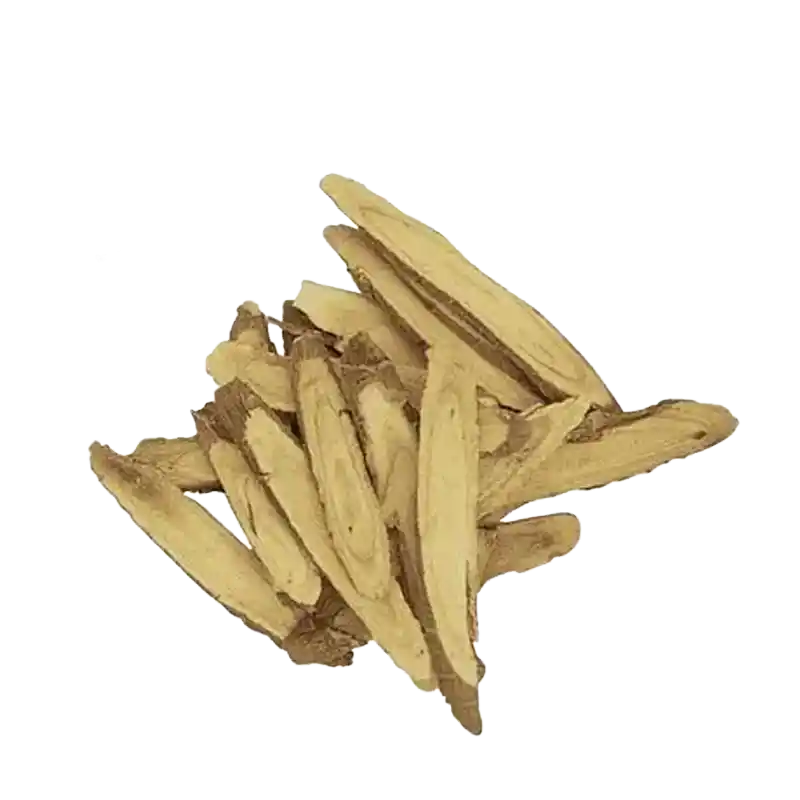
• Root & stolon (raw or honey-fried)• الجذر والمَدّاد (خام أو مقليّ بالعسل)
Key constituentsالمكوّنات الفعّالة
• Glycyrrhizin (glycyrrhizic acid) → glycyrrhetinic acid
• Flavonoids (liquiritin, liquiritigenin, isoliquiritigenin)
• Chalcones
• Polysaccharides
• Coumarins• غليسيريزين (حمض الغليسيريزيك) → حمض غليسيريتينيك
• فلافونويدات (ليكويريتين، ليكويريتيجينين، إيزوليكويريتيجينين)
• شالكونات
• سكّريات متعدّدة
• كومارينات
Researchالأبحاث
Licorice and glycyrrhizin have broad researched anti-inflammatory, antiviral (incl. hepatitis), expectorant, antioxidant and gastroprotective activity, and glycyrrhetinic acid inhibits cortisol breakdown — the basis of both its steroid-sparing effects and its main risk. Reviews document that prolonged/high intake causes licorice-induced pseudoaldosteronism (hypertension, oedema, hypokalaemia); risk depends on dose, duration and individual metabolism.لعرق السوس والغليسيريزين نشاطٌ واسع مدروس مضاد للالتهاب وللفيروسات (بما فيها التهاب الكبد) وطارد للبلغم ومضاد للأكسدة وواقٍ للمعدة، ويثبّط حمض الغليسيريتينيك تكسير الكورتيزول — أساسُ تأثيره الموفّر للستيرويد وخطره الرئيس معاً. وتوثّق المراجعات أنّ الاستهلاك المطوّل/العالي يُسبّب فرط ألدوستيرون كاذباً (ارتفاع ضغط ووذمة ونقص بوتاسيوم)؛ والخطر يتوقّف على الجرعة والمدّة والاستقلاب الفردي.
Published researchأبحاث منشورة
Traditional useالاستخدام التقليدي
Sweet root added to a large share of Chinese formulas to 'harmonize' and moderate the other herbs, tonify spleen-qi (fatigue, weak digestion), moisten the lung and stop cough, ease spasmodic pain (with peony), soothe the throat, and 'clear heat and relieve toxicity' (sores, drug/food toxicity); honey-fried for tonifying, raw for clearing heat.يُضاف الجذر الحلو إلى نسبة كبيرة من الخلطات الصينية «لمُوائمتها» وتلطيف بقية الأعشاب وتقوية تشي الطحال (الإعياء وضعف الهضم) وترطيب الرئة وإيقاف السعال وتخفيف الألم التشنّجي (مع الفاوانيا) وتلطيف الحلق و«تنقية الحرارة وحلّ السميّة» (القروح والسميّة الدوائية/الغذائية)؛ يُقلى بالعسل للتقوية ويُستعمل خاماً لتنقية الحرارة.
Current useالاستخدام الحالي
The great 'harmonizer' of Chinese medicine (gan cao) with strong evidence for anti-inflammatory, antiviral, expectorant and gastroprotective effects — but requires dose/duration limits to avoid raised blood pressure and low potassium.«المُوائِم» الأعظم في الطبّ الصيني (غان تساو) بأدلّةٍ قويّة على تأثيراتٍ مضادة للالتهاب وللفيروسات وطاردة للبلغم وواقية للمعدة — لكنه يستلزم ضبط الجرعة والمدّة تفادياً لارتفاع الضغط ونقص البوتاسيوم.
Preparationsالتحضيرات
• Root decoction (raw or honey-fried)
• Throat/cough lozenge & syrup
• DGL for the stomach
• In most Chinese formulas as harmonizer• مغلي الجذر (خام أو مقليّ بالعسل)
• أقراص وشراب للحلق/السعال
• DGL للمعدة
• في معظم الخلطات الصينية كمُوائِم
Used for these conditionsيُستخدم لهذه الحالات
Adult dosageجرعة البالغين
Root decoction in small-to-modest traditional amounts per Chinese practice, usually as a minor 'harmonizing' herb in formulas; avoid prolonged daily high-dose use.مغلي الجذر بكميات تقليدية صغيرة إلى معتدلة بحسب الممارسة الصينية، غالباً عشبة «مُوائِمة» ثانوية في الخلطات؛ ويُتجنّب الاستعمال اليومي العالي المطوّل.
Child dosageجرعة الأطفال
Small formula amounts used for children under professional guidance; avoid sustained dosing.تُستعمل كميات خلطية صغيرة للأطفال بإرشاد مختصّ؛ ويُتجنّب الاستعمال المستمرّ.
Cautionتحذيرات
⚠️ Prolonged or high-dose licorice can cause pseudoaldosteronism — high blood pressure, fluid retention, swelling, low potassium (muscle weakness, cramps, irregular heartbeat) — and can worsen heart failure and kidney disease. Avoid or minimise with hypertension, heart or kidney disease, low potassium, or oedema, and use caution with digoxin, diuretics, corticosteroids and blood-pressure or blood-thinning drugs. Keep doses modest and courses short; deglycyrrhizinated licorice (DGL) avoids this risk but lacks glycyrrhizin's actions.⚠️ عرق السوس المطوّل أو العالي قد يُسبّب فرط ألدوستيرون كاذباً — ارتفاع ضغط واحتباس سوائل وتورّم ونقص بوتاسيوم (وهنٌ عضلي وتقلّصات واضطراب نظم القلب) — وقد يفاقم قصور القلب ومرض الكلى. يُتجنّب أو يُقلَّل مع فرط الضغط أو مرض القلب أو الكلى أو نقص البوتاسيوم أو الوذمة، ويُحذَر مع الديجوكسين ومدرّات البول والكورتيكوستيرويدات وأدوية الضغط أو تمييع الدم. تُبقى الجرعات معتدلة والدورات قصيرة؛ وعرق السوس منزوع الغليسيريزين (DGL) يتفادى هذا الخطر لكنه يفتقر لفعل الغليسيريزين.
Pregnancy & nursingالحمل والرضاعة
High or prolonged licorice intake in pregnancy is linked to raised blood pressure/fluid retention and to adverse effects on the developing child in studies — avoid medicinal amounts in pregnancy; small culinary/formula amounts only under guidance.يرتبط استهلاك عرق السوس العالي أو المطوّل في الحمل بارتفاع الضغط/احتباس السوائل وبتأثيراتٍ ضارّة على الجنين في الدراسات — تُتجنّب الكميات العلاجية في الحمل؛ ولا تُستعمل إلا كميات طهوية/خلطية صغيرة بإرشاد.