Introductionمقدّمة
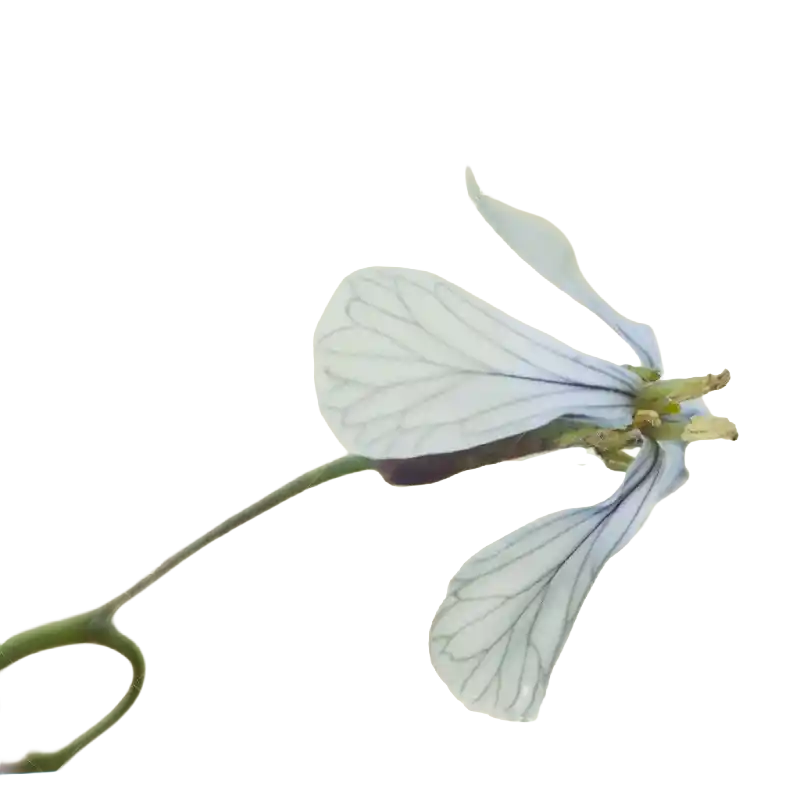
Raphanus raphanistrum (wild radish, jointed charlock) is the peppery wild relative of the cultivated radish. Its young leaves, flowers and immature pods are edible, with a hot, radish-like flavour, and it is used like radish/cresses as an antiscorbutic, digestive, antimicrobial and expectorant herb, rich in vitamin C and glucosinolate-derived mustard oils.الفجل البرّي (Raphanus raphanistrum) القريب البرّي الفلفلي للفجل المزروع. وأوراقه وأزهاره وقرونه غير الناضجة صالحة للأكل بطعمٍ حارّ كالفجل، ويُستعمل كالفجل/الرشاد مضادّاً للأسقربوط وهاضماً ومضاداً للميكروبات وطارداً للبلغم، غنيّاً بفيتامين C وزيوت الخردل المشتقّة من الغلوكوزينولات.
Categoryالفئة
• Peppery mustard-family herb (Brassicaceae)
• Edible peppery leaves/pods & antiscorbutic
• Digestive & antimicrobial (glucosinolates)
• Antioxidant & expectorant
• Wild ancestor-relative of radish• عشبة خردلية فلفلية (الفصيلة الصليبية)
• أوراق/قرون فلفلية صالحة للأكل ومضادّة للأسقربوط
• هاضمة ومضادّة للميكروبات (غلوكوزينولات)
• مضادّة للأكسدة وطاردة للبلغم
• قريبٌ برّيّ سلفيّ للفجل
Habitatالموطن
An annual mustard-family plant with pale yellow/white flowers and jointed, beaded seed pods, a common weed of arable fields and waste ground across Europe, Asia and beyond.نبتةٌ حولية من الفصيلة الصليبية بأزهارٍ صفراء باهتة/بيضاء وقرون بذرٍ عقديّة مُخرَّزة، حشيشةٌ شائعة في الحقول المحروثة والأرض المهملة عبر أوروبا وآسيا وأبعد.
Parts usedالأجزاء المستخدمة
• Young leaves, flowers & immature pods (food)
• Seeds• الأوراق والأزهار والقرون غير الناضجة (غذاء)
• البذور
Key constituentsالمكوّنات الفعّالة
• Glucosinolates → mustard oils (isothiocyanates)
• Vitamin C
• Flavonoids & phenolic acids
• Fatty seed oil
• Minerals• غلوكوزينولات ← زيوت خردل (إيزوثيوسيانات)
• فيتامين C
• فلافونويدات وأحماض فينولية
• زيت بذور دهني
• معادن
Researchالأبحاث
Raphanus raphanistrum is documented (a study characterises its chemical composition and bioactive properties as a wild edible plant) for vitamin C, glucosinolate-derived mustard oils and phenolics with antioxidant and antimicrobial activity, in keeping with radish/cress traditional use as a digestive, antiscorbutic and antimicrobial herb. Evidence is preclinical/nutritional; it is chiefly a nutritious wild edible.الفجل البرّي موثّقٌ (تصف دراسةٌ تركيبه الكيميائي وخصائصه الفعّالة نبتةً برّية صالحة للأكل) بفيتامين C وزيوت الخردل المشتقّة من الغلوكوزينولات وفينولات بنشاطٍ مضاد للأكسدة والميكروبات، بما يوافق استعمال الفجل/الرشاد التقليدي هاضماً ومضادّاً للأسقربوط والميكروبات. والأدلة قبل سريرية/غذائية؛ وهو أساساً برّيٌّ صالح للأكل مُغذٍّ.
Published researchأبحاث منشورة
Traditional useالاستخدام التقليدي
Young leaves, flowers and pods eaten raw or cooked as a peppery salad/vegetable; used like radish and cresses as an antiscorbutic and digestive to stimulate appetite and digestion, an antimicrobial for coughs, colds and infections, an expectorant, and a mild diuretic; the pungent seeds/leaves also used on the skin.تُؤكَل الأوراق والأزهار والقرون الغضّة نيّئة أو مطبوخة سلطةً/خضاراً فلفلياً؛ ويُستعمل كالفجل والرشاد مضادّاً للأسقربوط وهاضماً لتنبيه الشهية والهضم ومضاداً للميكروبات للسعال والزكام والعدوى وطارداً للبلغم ومُدرّاً خفيفاً؛ وتُستعمل البذور/الأوراق الحرّيفة على الجلد أيضاً.
Current useالاستخدام الحالي
Foraged as a peppery wild salad/vegetable and used as an antiscorbutic/digestive folk herb; studied for antioxidant and antimicrobial activity.يُجنى سلطةً/خضاراً برّياً فلفلياً ويُستعمل عشبةً شعبية مضادّة للأسقربوط/هاضمة؛ ويُدرَس لنشاطه المضاد للأكسدة والميكروبات.
Preparationsالتحضيرات
• Fresh/cooked leaves, flowers & pods (food)
• Light digestive preparation
• Antiscorbutic green
• Seeds (pungent)• أوراق وأزهار وقرون طازجة/مطبوخة (غذاء)
• مستحضر هاضم خفيف
• خضار مضاد للأسقربوط
• بذور (حرّيفة)
Used for these conditionsيُستخدم لهذه الحالات
Adult dosageجرعة البالغين
Leaves/pods as a fresh or cooked green; a light preparation in traditional amounts; best fresh; per traditional practice.الأوراق/القرون خضاراً طازجاً أو مطبوخاً؛ مستحضر خفيف بكميات تقليدية؛ والأفضل طازجاً؛ بحسب الممارسة التقليدية.
Child dosageجرعة الأطفال
A safe peppery green for children in normal amounts.خضار فلفلي آمن للأطفال بكميات عادية.
Cautionتحذيرات
A safe, healthy wild green in food amounts. Like other pungent mustard-family plants, very large amounts could irritate the stomach or (in theory) affect the thyroid, but ordinary use is not a concern. The seeds are the most pungent part. Use fresh and be sure of correct identification when foraging.خضارٌ برّيّ آمن صحّي بكميات الغذاء. وكسائر نباتات الفصيلة الصليبية الحرّيفة، الكميات الكبيرة جداً قد تهيّج المعدة أو (نظرياً) تؤثّر في الغدّة الدرقية، لكنّ الاستعمال المعتاد لا يثير قلقاً. والبذور أشدّ الأجزاء حرافةً. ويُستعمل طازجاً ويُتأكَّد من صحّة التمييز عند الجني.
Pregnancy & nursingالحمل والرضاعة
Salad/food amounts are fine; avoid concentrated medicinal doses in pregnancy.كميات السلطة/الغذاء مقبولة؛ وتُتجنَّب الجُرَع الطبية المركّزة في الحمل.