Introductionمقدّمة
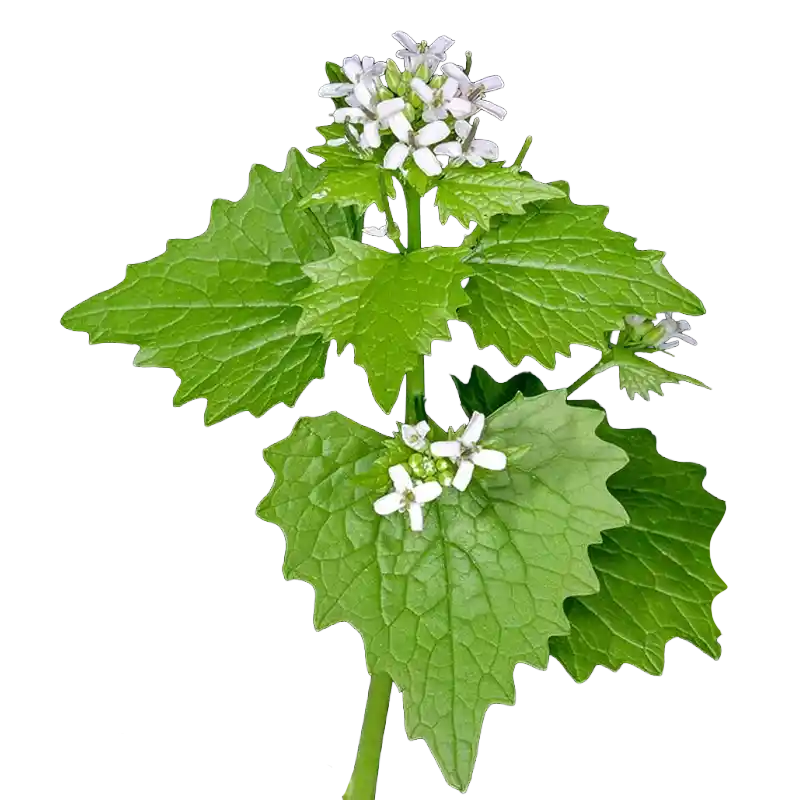
Alliaria petiolata (garlic mustard, jack-by-the-hedge; formerly Sisymbrium alliaria) is a common hedgerow herb whose leaves smell of garlic when crushed. It is a popular wild edible — the garlic-flavoured leaves used raw in salads, sauces (a traditional 'sauce-alone') and as a pot-herb — and a rich source of vitamin C, historically valued as an antiscorbutic. Studies report antimicrobial and antioxidant activity, and it was used traditionally as an antiseptic wound and chest herb.خردل الثوم (Alliaria petiolata، وكان Sisymbrium alliaria) عشبة أسيجة شائعة تفوح أوراقها بالثوم عند السحق. وهو برّيٌّ صالح للأكل محبوب — تُستعمل أوراقه بنكهة الثوم نيئة في السلطات والصلصات وخضاراً — ومصدرٌ غنيّ بفيتامين C، قُدّر تاريخياً مضاداً للأسقربوط. وتذكر الدراسات نشاطاً مضاداً للميكروبات والأكسدة، واستُعمِل تقليدياً عشبةً مطهّرة للجروح والصدر.
Categoryالفئة
• Mustard family (Brassicaceae)
• Edible garlic-scented salad/pot herb
• Antiscorbutic (vitamin-C, wild green)
• Antimicrobial & antioxidant (studied)
• Traditional wound & antiseptic herb
• Formerly Sisymbrium alliaria• الفصيلة الصليبية (الخردلية)
• عشبة سلطة/خضار بعبق الثوم صالحة للأكل
• مضاد للأسقربوط (فيتامين C، خضار برّية)
• مضاد للميكروبات والأكسدة (مدروس)
• عشبة جروح ومطهّرة تقليدية
• كان يُسمّى Sisymbrium alliaria
Habitatالموطن
A biennial of hedgerows, wood-edges, shady banks and waste ground across Europe and western Asia; invasive in North America.عشبة ثنائية الحول في الأسيجة وحواف الغابات والضفاف المظلّلة والأرض البور عبر أوروبا وغرب آسيا؛ وغازية في أمريكا الشمالية.
Parts usedالأجزاء المستخدمة
• Leaves (main — food)
• Flowers, young shoots & seeds
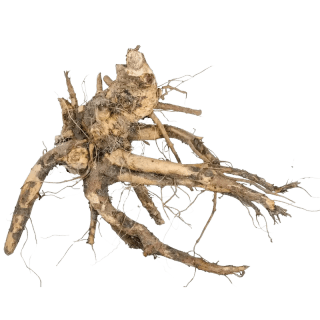
• Root (horseradish-like)• الأوراق (رئيسي — غذاء)
• الأزهار والبراعم الفتية والبذور
• الجذر (شبيه بالفجل الحارّ)
Key constituentsالمكوّنات الفعّالة
• Glucosinolates (garlic-mustard oils)
• Vitamin C (high)
• Flavonoids & carotenoids
• Sulphur compounds
• Fixed oil (seed)• غليكوسينولات (زيوت خردل الثوم)
• فيتامين C (عالٍ)
• فلافونويدات وكاروتينويدات
• مركّبات كبريتية
• زيت ثابت (البذور)
Researchالأبحاث
Alliaria petiolata is a well-documented edible wild green rich in vitamin C, with glucosinolate-derived mustard oils; studies report antimicrobial and antioxidant activity. This supports its traditional roles as an antiscorbutic food and an antiseptic wound/chest herb. Most evidence is nutritional/phytochemical and preclinical rather than from clinical trials.خردل الثوم خضارٌ برّية صالحة للأكل موثّقة جيداً غنية بفيتامين C، بزيوت خردل مشتقّة من الغليكوسينولات؛ وتذكر الدراسات نشاطاً مضاداً للميكروبات والأكسدة. وهذا يدعم أدواره التقليدية غذاءً مضاداً للأسقربوط وعشبةَ جروح/صدر مطهّرة. ومعظم الأدلة غذائية-كيميائية وأوّلية لا من تجارب سريرية.
Published researchأبحاث منشورة
Traditional useالاستخدام التقليدي
Garlic-flavoured leaves eaten raw in salads and made into a green sauce ('sauce-alone') for meat and fish, or cooked as a pot-herb; used as a vitamin-C antiscorbutic; leaves applied to wounds and ulcers as an antiseptic; taken for coughs and sluggish digestion.تُؤكَل الأوراق بنكهة الثوم نيئة في السلطات وتُصنَع صلصةً خضراء للّحم والسمك، أو تُطبَخ خضاراً؛ وتُستعمل مضاداً للأسقربوط بفيتامين C؛ وتُوضَع الأوراق على الجروح والقرح مطهّراً؛ وتُؤخَذ للسعال وبطء الهضم.
Current useالاستخدام الحالي
A popular foraged wild edible (garlic-flavoured salad/sauce green) with antimicrobial, vitamin-rich credentials; minor folk antiseptic use.برّيٌّ صالح للأكل محبوب (خضار سلطة/صلصة بنكهة الثوم) بخصائص مضادة للميكروبات غنية بالفيتامين؛ واستعمال مطهّر شعبي ثانوي.
Preparationsالتحضيرات
• Fresh salad leaves
• Green sauce / pesto
• Cooked pot-herb
• Fresh leaf (topical antiseptic)• أوراق سلطة طازجة
• صلصة خضراء/بيستو
• خضار مطبوخة
• ورقة طازجة (مطهّر موضعي)
Used for these conditionsيُستخدم لهذه الحالات
Adult dosageجرعة البالغين
Fresh leaves in salads, sauces or cooked in normal food amounts; fresh leaf applied externally to minor wounds.الأوراق الطازجة في السلطات والصلصات أو مطبوخة بكميات الطعام العادية؛ وورقة طازجة تُوضَع خارجياً على الجروح البسيطة.
Child dosageجرعة الأطفال
Safe as a food green in normal amounts.آمن خضاراً غذائية بكميات عادية.
Cautionتحذيرات
Very safe as a food. The taste is strongest in fresh young leaves and turns bitter with age and cooking. As a mustard-family plant it contains glucosinolates and (like many brassicas) cyanogenic/goitrogenic potential only matters at implausibly large intakes; keep to normal food amounts. Correct identification is advised.آمن جداً غذاءً. والطعم أقوى في الأوراق الفتية الطازجة ويصير مُرّاً مع التقدّم والطبخ. وكنبات من الفصيلة الخردلية يحتوي غليكوسينولات، و(كسائر الكرنبيات) لا تهمّ إمكانيته المولّدة للدُّراق إلا بكميات كبيرة غير معقولة؛ فيُقتصَر على كميات الطعام العادية. ويُنصَح بالتحديد الصحيح.
Pregnancy & nursingالحمل والرضاعة
Culinary amounts are considered safe; there is no concern at food levels.كميات الطهي تُعدّ آمنة؛ ولا قلق عند مستويات الطعام.