
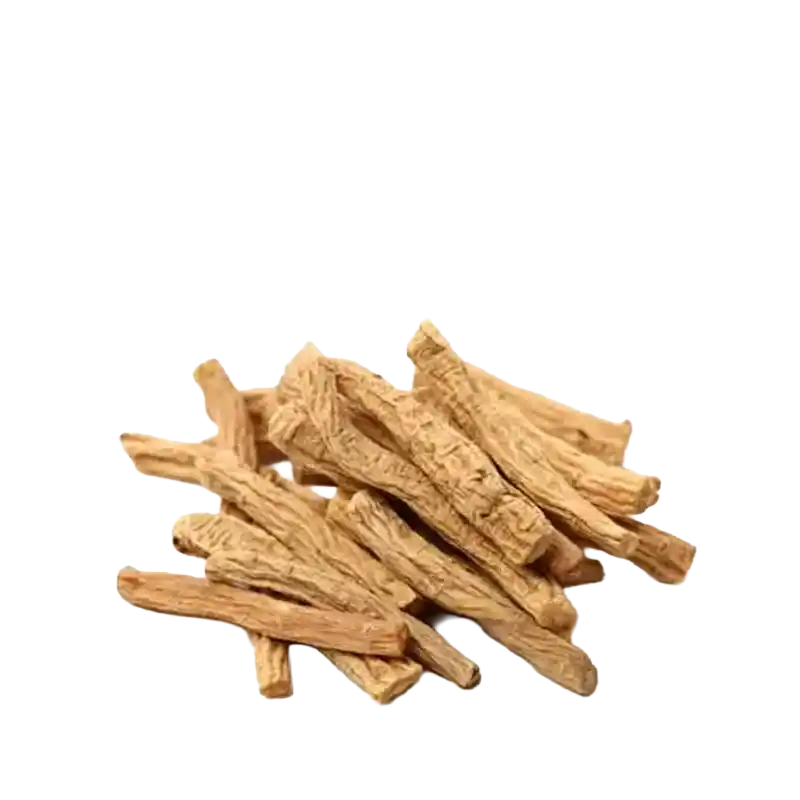
Introductionمقدّمة
Codonopsis tangshen (a source of 'dang shen') is a climbing bellflower whose sweet root is a classic Chinese 'qi'-tonic — a gentler, everyday substitute for ginseng — used to strengthen the spleen and lungs, boost energy and digestion, support the blood and immunity, and relieve fatigue, poor appetite, weak digestion, cough and shortness of breath. Studies report immunomodulatory, adaptogenic, digestive and antioxidant activity from its polysaccharides and other compounds.كودونوبسيس التانغشِن (Codonopsis tangshen، مصدر «دانغ شِن») جرسيّةٌ متسلّقة جذرها الحلو مقوٍّ صيني كلاسيكي «للتشي» — بديلٌ ألطف يومي للجينسنغ — يُستعمل لتقوية الطحال والرئتين وزيادة الطاقة والهضم ودعم الدم والمناعة وتخفيف الإرهاق وضعف الشهية وضعف الهضم والسعال وضيق النفس. وتذكر الدراسات نشاطاً معدّلاً للمناعة ومتأقلماً وهاضماً ومضاداً للأكسدة من سكّرياته ومركّباتٍ أخرى.
Categoryالفئة
• Qi-tonic root (Campanulaceae)
• 'Dang shen' — the gentle ginseng-substitute tonic
• Immunomodulatory & adaptogenic (studied)
• Digestive, lung & blood tonic; polysaccharides
• Traditional fatigue, digestion, lung & 'qi' tonic• جذر مقوٍّ للتشي (الفصيلة الجرسية)
• «دانغ شِن» — المقوّي اللطيف بديل الجينسنغ
• معدّل للمناعة ومتأقلم (مدروس)
• مقوٍّ للهضم والرئة والدم؛ سكّريات
• عشبة تقليدية للإرهاق والهضم والرئة و«التشي»
Habitatالموطن
A climbing perennial of hill forests in China (notably Sichuan/Hubei), grown for its sweet, medicinal tonic root.معمّرة متسلّقة في غابات التلال بالصين (خاصة سيتشوان/هوبي)، تُزرَع لجذرها الحلو المقوّي الطبّي.
Parts usedالأجزاء المستخدمة
• Root (main)• الجذر (رئيسي)
Key constituentsالمكوّنات الفعّالة
• Polysaccharides (immune)
• Polyacetylenes & phenylpropanoids
• Alkaloids & saponins
• Amino acids & sugars
• Antioxidant compounds• سكّريات (مناعية)
• بولي أسيتيلينات وفينيل بروبانويدات
• قلويدات وصابونينات
• أحماض أمينية وسكّريات
• مركّبات مضادة للأكسدة
Researchالأبحاث
Codonopsis (dang shen, including C. tangshen) is documented for immunomodulatory, adaptogenic, digestive/gut-microbiota-supporting, antioxidant and other tonic effects, largely via its polysaccharides and polyacetylenes; reviews describe multi-layered immune and gastrointestinal benefits. This supports its classic use as a gentle 'qi' tonic for energy, digestion, lungs and immunity; evidence is chiefly preclinical with long traditional use.كودونوبسيس (دانغ شِن، ومنه C. tangshen) موثّقٌ لنشاطٍ معدّل للمناعة ومتأقلم وهاضم/داعم لميكروبيوتا الأمعاء ومضاد للأكسدة وآثارٍ مقوّية أخرى، غالباً عبر سكّرياته وبولي أسيتيليناته؛ وتصف المراجعاتُ فوائد مناعية وهضمية متعدّدة الطبقات. وهذا يدعم استعماله الكلاسيكي مقوّياً لطيفاً «للتشي» للطاقة والهضم والرئتين والمناعة؛ والأدلة أوّلية أساساً مع استعمالٍ تقليدي طويل.
Published researchأبحاث منشورة
Traditional useالاستخدام التقليدي
Sweet root decocted or added to soups as a daily 'qi' tonic to strengthen the spleen and lungs, boost energy, appetite and digestion, build blood, support immunity and ease fatigue, weak digestion, loose stools, chronic cough and shortness of breath; a gentler, affordable substitute for ginseng, widely used in tonic soups and formulas.يُغلى الجذر الحلو أو يُضاف للحساء مقوّياً «للتشي» يومياً لتقوية الطحال والرئتين وزيادة الطاقة والشهية والهضم وبناء الدم ودعم المناعة وتخفيف الإرهاق وضعف الهضم والبراز الليّن والسعال المزمن وضيق النفس؛ بديلٌ ألطف وميسور للجينسنغ، واسع الاستعمال في حساء المقوّيات والخلطات.
Current useالاستخدام الحالي
A popular gentle qi-tonic and adaptogen (dang shen), a ginseng substitute, with researched immunomodulatory, digestive and antioxidant activity; used in tonic soups and formulas.مقوٍّ لطيف «للتشي» ومتأقلم محبوب (دانغ شِن)، بديل الجينسنغ، بنشاطٍ معدّل للمناعة وهاضم ومضاد للأكسدة مدروس؛ يُستعمل في حساء المقوّيات والخلطات.
Preparationsالتحضيرات
• Root decoction / tonic soup
• In qi-tonic formulas
• Powder / extract• مغلي الجذر/حساء مقوٍّ
• في خلطات مقوّية للتشي
• مسحوق/مستخلص
Used for these conditionsيُستخدم لهذه الحالات
Adult dosageجرعة البالغين
Root decoction/soup per traditional Chinese practice (commonly generous amounts, being gentle); in tonic formulas.مغلي/حساء الجذر بحسب الممارسة الصينية التقليدية (كميات سخيّة عادةً لكونه لطيفاً)؛ وفي خلطات المقوّيات.
Child dosageجرعة الأطفال
A gentle tonic used in children's soups traditionally; use with guidance.مقوٍّ لطيف يُستعمل في حساء الأطفال تقليدياً؛ ويُستعمل بإرشاد.
Cautionتحذيرات
Generally very well tolerated and considered gentle and food-like. In TCM it is a warming, tonifying herb, so it may not suit acute 'excess-heat'/infection conditions (traditionally avoided during acute fevers). It can support immune function — those on immunosuppressant therapy should use it with medical guidance. Buy from reputable sources and confirm the correct Codonopsis.جيّد التحمّل جداً عموماً ويُعدّ لطيفاً شبيهاً بالغذاء. وفي الطبّ الصيني هو عشبة مدفّئة مقوّية، فقد لا يناسب حالات «الحرارة-الزائدة»/العدوى الحادّة (يُتجنّب تقليدياً أثناء الحمّيات الحادّة). وقد يدعم وظيفة المناعة — فمن على علاجٍ مثبّط للمناعة يستعمله بإرشاد طبّي. ويُشترى من مصادر موثوقة ويُؤكَّد نوع الكودونوبسيس الصحيح.
Pregnancy & nursingالحمل والرضاعة
Traditionally regarded as a gentle, nourishing tonic used in some pregnancy tonic soups; still, use medicinal amounts with professional guidance.يُعدّ تقليدياً مقوّياً لطيفاً مغذّياً يُستعمل في بعض حساء الحمل المقوّي؛ ومع ذلك تُستعمل الكميات العلاجية بإرشاد مختصّ.


