Introductionمقدّمة
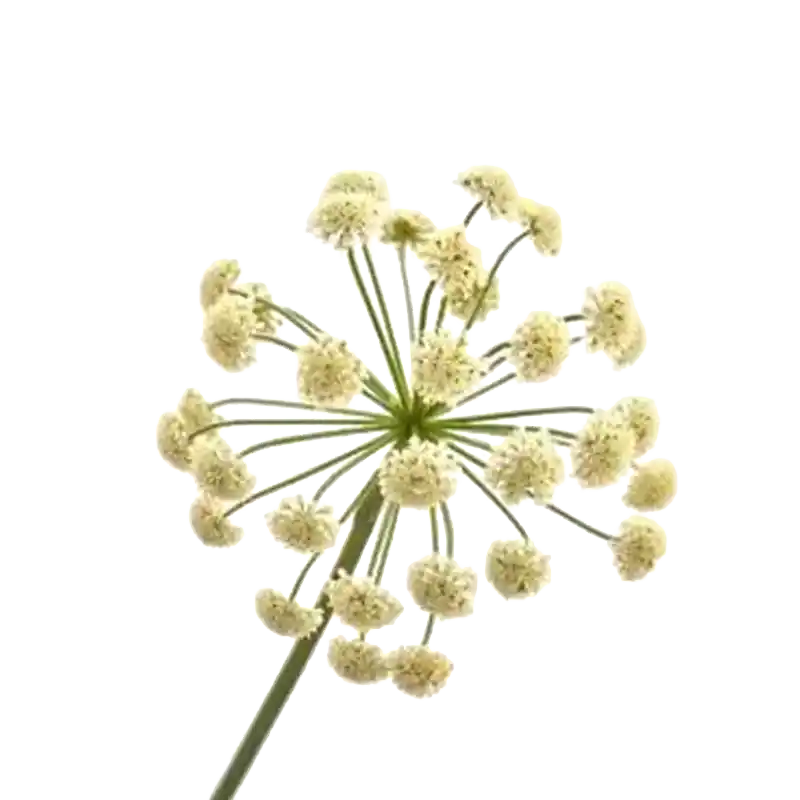
Angelica sylvestris (wild angelica) is an aromatic European umbellifer related to garden angelica. Its root and seeds are used as a warming digestive and expectorant; like other angelicas it contains coumarins with antioxidant and antimicrobial activity.الأنجليكا البرّية (Angelica sylvestris) خيميّةٌ أوروبية عطرية قريبة من أنجليكا الحدائق. ويُستعمل جذرها وبذورها هاضماً مُدفِّئاً ومُقشِّعاً؛ وهي — كسائر الأنجليكا — تحوي كومارينات ذات نشاطٍ مضاد للأكسدة والميكروبات.
Categoryالفئة
• Aromatic umbellifer
• Digestive / carminative
• Antioxidant
• Antimicrobial
• Contains coumarins — sun-sensitivity• خيميّةٌ عطرية
• هاضم/طاردٌ للريح
• مضاد للأكسدة
• مضاد للميكروبات
• يحوي كومارينات — حساسية للشمس
Habitatالموطن
A tall perennial of damp meadows, ditches and woodland edges across Europe and western Asia, with domed flower-heads.نبتةٌ مُعمّرة طويلة في المروج الرطبة والخنادق وحواف الغابات عبر أوروبا وغرب آسيا، بنوراتٍ قبّية.
Parts usedالأجزاء المستخدمة
• Root
• Seeds
• Leaves / stem• الجذر
• البذور
• الأوراق/الساق
Key constituentsالمكوّنات الفعّالة
• Essential oil (terpenes)
• Coumarins & furanocoumarins
• Flavonoids
• Phenolic acids• زيتٌ طيّار (تربينات)
• كومارينات وفيورانوكومارينات
• فلافونويدات
• أحماض فينولية
Researchالأبحاث
Wild angelica is less studied than garden angelica (Angelica archangelica), but the genus is well documented for coumarin-rich roots with antioxidant, antimicrobial, antispasmodic and digestive activity. Angelica coumarins can also cause photosensitivity. Evidence for this species is mostly traditional and preclinical.الأنجليكا البرّية أقلّ دراسةً من أنجليكا الحدائق (Angelica archangelica)، لكن الجنس موثّقٌ جيداً بجذورٍ غنيّة بالكومارين ذات نشاطٍ مضاد للأكسدة والميكروبات والتشنّج وهاضم. وقد تسبّب كومارينات الأنجليكا حساسيةً للضوء. والأدلة لهذا النوع تقليدية وأوّلية غالباً.
Published researchأبحاث منشورة
Traditional useالاستخدام التقليدي
Used in European folk medicine as a warming digestive and carminative for wind and colic, an expectorant for coughs and colds, and a tonic; the aromatic stems were also candied.تُستعمل في الطبّ الشعبي الأوروبي هاضماً مُدفِّئاً وطارداً للريح والمغص، ومُقشِّعاً للسعال والزكام، ومقوّياً؛ وكانت السيقان العطرية تُحلَّى أيضاً.
Current useالاستخدام الحالي
Used in herbal digestive and cough preparations; garden angelica is the more common medicinal species.تُستعمل في تحضيرات الهضم والسعال العشبية؛ وأنجليكا الحدائق النوع الدوائي الأشيع.
Preparationsالتحضيرات
Root/seed infusion, Decoction, Tinctureنقيع جذر/بذور، مغليّ، صبغة
Used for these conditionsيُستخدم لهذه الحالات
Adult dosageجرعة البالغين
Root/seed infusion or decoction, roughly 1–2 g, up to 3 times daily.نقيع/مغليّ جذر/بذور، نحو 1–2 غ، حتى 3 مرات يومياً.
Child dosageجرعة الأطفال
Only under professional guidance.فقط بإشراف مختصّ.
Cautionتحذيرات
The furanocoumarins can make the skin more sensitive to sunlight — avoid strong sun or UV after handling or taking it. It may add to blood-thinning medicines. Correctly identify the plant, as several poisonous umbellifers (e.g. hemlock) resemble it.قد تجعل الفيورانوكومارينات الجلد أكثر حساسية للشمس — تجنّب الشمس القوية أو الأشعّة فوق البنفسجية بعد تناوله أو مسّه. وقد يُضاف إلى مميّعات الدم. وتعرّف على النبتة بدقّة، فعدّة خيميّات سامّة (كالشوكران) تشبهها.
Pregnancy & nursingالحمل والرضاعة
Avoid medicinal doses in pregnancy — angelicas are traditional emmenagogues.تُتجنَّب الجرعات الدوائية في الحمل — الأنجليكا مُدِرّة للطمث تقليدياً.