Introductionمقدّمة
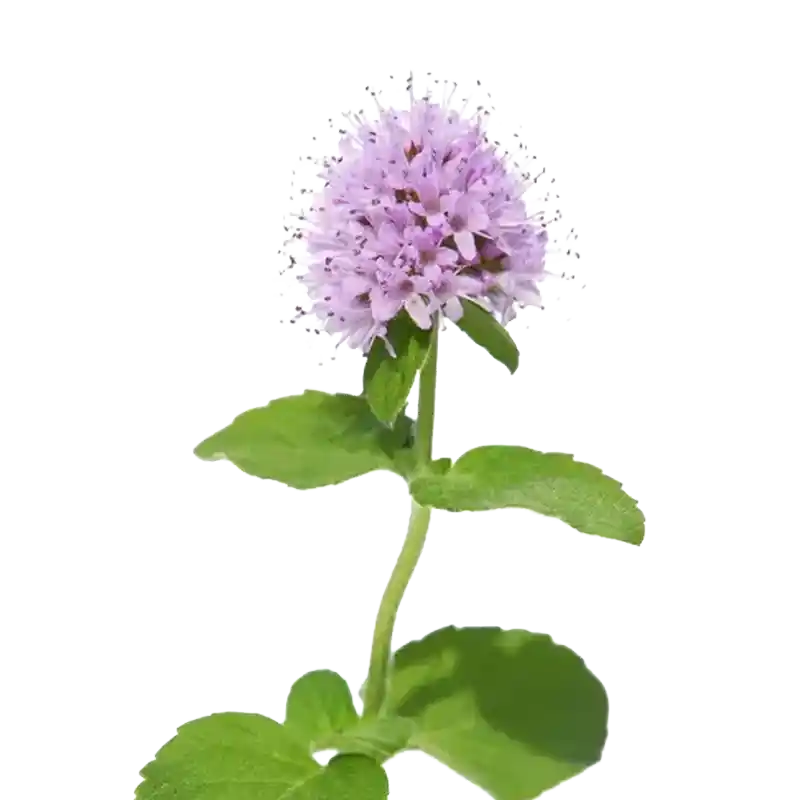
Mentha aquatica (water mint) is a wild menthol-scented mint of wet places — one of the parents of peppermint. Its aromatic leaves are used like other mints as a carminative digestive for wind, colic, indigestion and cramping, an antispasmodic and antimicrobial, and a calming tea, and are eaten as a wild aromatic green.النعناع المائي (Mentha aquatica) نعناعٌ برّيّ برائحة المنثول في الأماكن الرطبة — أحد أبوَي النعناع الفلفلي. وأوراقه العطرية تُستعمل كسائر النعناع طارداً للريح هاضماً للريح والمغص وعسر الهضم والتقلّص ومضاداً للتقلّص والميكروبات وشاياً مُهدّئاً، وتُؤكَل خضاراً عطرياً برّياً.
Categoryالفئة
• Aromatic mint (Lamiaceae)
• Digestive & carminative (colic, wind, IBS-type)
• Antispasmodic & antimicrobial
• Antioxidant & calming
• Wild edible mint (menthol-scented)• نعناع عطري (الفصيلة الشفوية)
• هاضم وطارد للريح (مغص، ريح، قولون عصبي)
• مضاد للتقلّص ومضاد للميكروبات
• مضاد للأكسدة ومُهدّئ
• نعناع برّي صالح للأكل (برائحة المنثول)
Habitatالموطن
A perennial mint with rounded leaves and lilac flower heads, of marshes, riverbanks, ditches and wet meadows across Europe, western Asia and North Africa.نعناعٌ معمّر بأوراقٍ مستديرة ورؤوس زهرٍ ليلكية، في المستنقعات وضفاف الأنهار والخنادق والمروج الرطبة عبر أوروبا وغرب آسيا وشمال إفريقيا.
Parts usedالأجزاء المستخدمة
• Leaves & flowering tops (herb)• الأوراق والقمم المزهرة (العشبة)
Key constituentsالمكوّنات الفعّالة
• Essential oil (menthol, menthofuran, 1,8-cineole)
• Rosmarinic acid & phenolics
• Flavonoids
• Tannins• زيت طيّار (منثول، منثوفوران، 1،8-سينيول)
• حمض الروزمارينيك وفينولات
• فلافونويدات
• تانينات
Researchالأبحاث
Mentha aquatica is documented (a comprehensive ethnobotany/pharmacology review treats it as a wild edible vegetable) for a menthol-rich essential oil and phenolics with carminative, antispasmodic, antimicrobial and antioxidant activity, in keeping with the well-established digestive use of the mint genus. As a peppermint parent it shares peppermint's gut-soothing, antispasmodic profile. Evidence is preclinical.النعناع المائي موثّقٌ (تعامله مراجعةٌ شاملة للإثنوبوتانيا/الدوائية خضاراً برّياً صالحاً للأكل) بزيتٍ طيّار غنيّ بالمنثول وفينولات بنشاطٍ طارد للريح ومضاد للتقلّص والميكروبات والأكسدة، بما يوافق الاستعمال الهاضم الثابت لجنس النعناع. وكأحد أبوَي النعناع الفلفلي يشارك ملمحه المُهدّئ للأمعاء المضاد للتقلّص. والأدلة قبل سريرية.
Published researchأبحاث منشورة
Traditional useالاستخدام التقليدي
Leaves used, like other mints, as a carminative digestive tea for wind, bloating, colic, indigestion, nausea and stomach cramps, as an antispasmodic for gut and menstrual cramps, a calming tea for tension and headache, a gargle for the mouth and throat, and eaten as a wild flavouring green.تُستعمل الأوراق، كسائر النعناع، طارداً للريح هاضماً شاياً للريح والانتفاخ والمغص وعسر الهضم والغثيان وتقلّصات المعدة ومضاداً للتقلّص لمغص الأمعاء والطمث وشاياً مُهدّئاً للتوتّر والصداع وغرغرةً للفم والحلق، وتُؤكَل خضاراً برّياً مطيّباً.
Current useالاستخدام الحالي
Used as a wild digestive/calming mint tea and flavouring green; studied for antimicrobial and antispasmodic activity.يُستعمل شاي نعناعٍ برّي هاضم/مُهدّئ وخضاراً مطيّباً؛ ويُدرَس لنشاطه المضاد للميكروبات والتقلّص.
Preparationsالتحضيرات
• Leaf infusion (digestive tea)
• Gargle/mouth rinse
• Culinary flavouring green
• Calming tea blend• نقيع الأوراق (شاي هاضم)
• غرغرة/مضمضة
• خضار مطيّب للطهي
• خلطة شاي مُهدّئة
Used for these conditionsيُستخدم لهذه الحالات
Adult dosageجرعة البالغين
Leaf infusion 1–2 g in hot water after meals or as needed; per traditional practice.نقيع الأوراق 1–2 غ في ماءٍ حارّ بعد الطعام أو عند الحاجة؛ بحسب الممارسة التقليدية.
Child dosageجرعة الأطفال
A weak digestive tea for older children; do not use concentrated menthol oil near infants' faces.شايٌ هاضم خفيف للأطفال الأكبر؛ ولا يُستعمَل زيت المنثول المركّز قرب وجوه الرُّضّع.
Cautionتحذيرات
Very safe as a tea and food. Like other mints, it can relax the lower oesophagus and worsen acid reflux/heartburn in some people, so avoid it if that is a problem. The concentrated essential oil (menthofuran-containing) should not be swallowed neat or used near babies' faces (breathing risk).آمنٌ جداً شاياً وغذاءً. وكسائر النعناع قد يُرخي المريء السفلي ويزيد الارتجاع الحمضي/الحرقة عند بعضهم، فيُتجنَّب إن كان مشكلة. والزيت الطيّار المركّز (الحاوي للمنثوفوران) لا يُبلَع صرفاً ولا يُستعمَل قرب وجوه الرُّضّع (خطر التنفّس).
Pregnancy & nursingالحمل والرضاعة
Culinary/tea amounts are generally fine; avoid the concentrated essential oil internally in pregnancy.كميات الطهي/الشاي مقبولة عموماً؛ ويُتجنَّب الزيت الطيّار المركّز داخلياً في الحمل.