Introductionمقدّمة
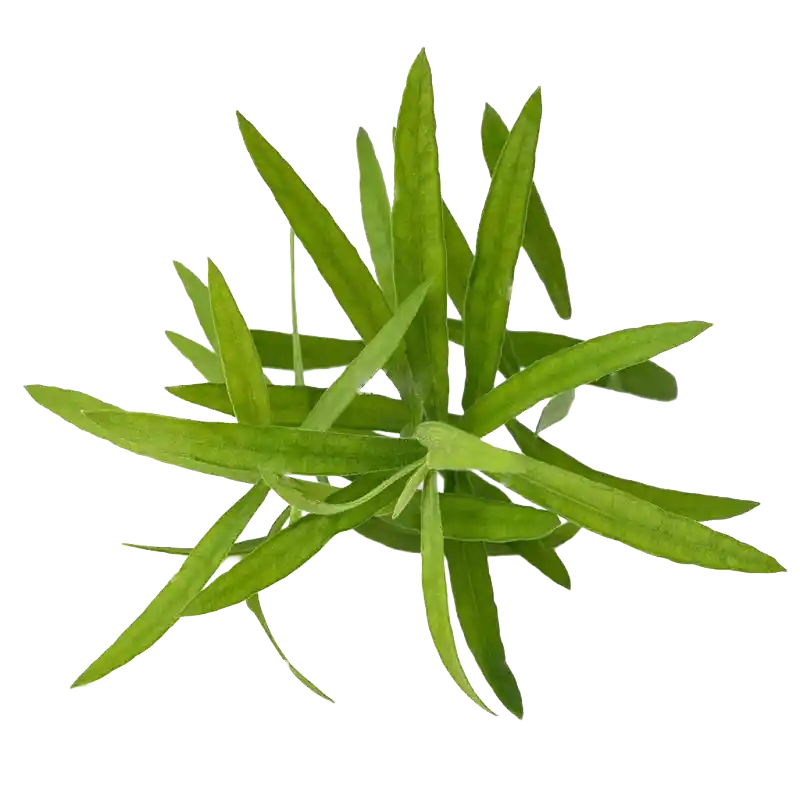
Artemisia dracunculoides (Russian tarragon, treated botanically as a form of Artemisia dracunculus) is the hardier, wild-type tarragon. Its aromatic leaves are used as a culinary herb and a traditional digestive and appetite stimulant, and an extract of A. dracunculus is one of the better-studied plant candidates for supporting insulin sensitivity and blood-sugar control.الطرخون الروسي (Artemisia dracunculoides، ويُعامَل نباتياً صورةً من Artemisia dracunculus) هو الطرخون البرّي الأقسى عوداً. وتُستعمل أوراقه العطرية عشبةً للطهي ومنبّهاً هاضماً وفاتحاً للشهية تقليدياً، ومستخلص A. dracunculus من أكثر المرشّحات النباتية دراسةً لدعم حساسية الإنسولين وضبط سكر الدم.
Categoryالفئة
• Culinary & medicinal herb (tarragon group)
• Digestive / carminative / appetite
• Antidiabetic (insulin-sensitising, studied)
• Antioxidant & antimicrobial
• Mild sedative / traditional• عشبةٌ للطهي والطبّ (مجموعة الطرخون)
• هاضمة/طاردة للريح/فاتحة للشهية
• مضادّة للسكري (محسّنة لحساسية الإنسولين، مدروسة)
• مضادّة للأكسدة والميكروبات
• مهدّئة خفيفة/تقليدية
Habitatالموطن
A perennial aromatic herb of the daisy family from the steppes of Russia, Central Asia and Siberia; the wild, seed-fertile relative of French tarragon.عشبةٌ عطرية معمّرة من الفصيلة النجمية من سهوب روسيا وآسيا الوسطى وسيبيريا؛ القريب البرّي المُخصِب بالبذور للطرخون الفرنسي.
Parts usedالأجزاء المستخدمة
• Leaves & flowering tops (aerial parts)• الأوراق والقمم المزهرة (الأجزاء الهوائية)
Key constituentsالمكوّنات الفعّالة
• Essential oil (estragole/methyl chavicol, sabinene, ocimene)
• Flavonoids
• Coumarins
• Phenolic acids
• Polyphenols• زيت طيّار (إستراغول/ميثيل تشافيكول، سابينين، أوسيمين)
• فلافونويدات
• كومارينات
• أحماض فينولية
• بوليفينولات
Researchالأبحاث
Tarragon (Artemisia dracunculus, including this Russian type) is a well-characterised aromatic: a critical review documents its traditional use, chemistry and pharmacology, essential-oil studies confirm antioxidant and antimicrobial activity, and a standardised extract ('PMI-5011') has shown insulin-sensitising, blood-sugar-lowering effects in laboratory and early human work. Note: the oil contains estragole, so culinary/tea use of leaves is appropriate rather than high-dose oil.الطرخون (Artemisia dracunculus، ومنه هذا الصنف الروسي) عطريٌّ موصوف جيداً: توثّق مراجعةٌ نقدية استعماله التقليدي وكيمياءه ودوائيّته، وتؤكّد دراسات الزيت نشاطه المضاد للأكسدة والميكروبات، وأظهر مستخلص مقنّن («PMI-5011») تأثيراً محسّناً لحساسية الإنسولين وخافضاً لسكر الدم مخبرياً وفي عملٍ بشريّ مبكّر. ملاحظة: يحوي الزيت إستراغول، فاستعمال الأوراق للطهي/الشاي أنسب من جُرَع الزيت العالية.
Published researchأبحاث منشورة
Traditional useالاستخدام التقليدي
Used as a culinary herb and a digestive tonic to stimulate appetite, ease indigestion, wind and colic, as a mild sedative and sleep aid, to promote menstruation, and (in folk practice) to freshen breath and relieve toothache.يُستعمل عشبةً للطهي ومقوّياً هاضماً لفتح الشهية وتسكين عسر الهضم والريح والمغص، ومهدّئاً خفيفاً معيناً على النوم، ولإدرار الطمث، و(في الطبّ الشعبي) لإنعاش النَّفَس وتسكين وجع الأسنان.
Current useالاستخدام الحالي
Used as a culinary herb and digestive tea; A. dracunculus extract is studied and marketed for blood-sugar/insulin-sensitivity support.يُستعمل عشبةً للطهي وشاياً هاضماً؛ ويُدرَس مستخلص A. dracunculus ويُسوَّق لدعم سكر الدم/حساسية الإنسولين.
Preparationsالتحضيرات
• Culinary herb
• Leaf infusion
• Standardised extract (blood sugar)
• Vinegar/oil infusion• عشبة للطهي
• نقيع الأوراق
• مستخلص مقنّن (سكر الدم)
• نقيع بالخلّ/الزيت
Used for these conditionsيُستخدم لهذه الحالات
Adult dosageجرعة البالغين
Culinary use of the leaves; a light leaf infusion (1–2 g) after meals; standardised extract per product.استعمال الأوراق في الطهي؛ نقيع أوراقٍ خفيف (1–2 غ) بعد الطعام؛ مستخلص مقنّن بحسب المنتج.
Child dosageجرعة الأطفال
Culinary amounts only; avoid medicinal doses and the oil.كميات الطهي فقط؛ وتُتجنَّب الجُرَع الطبية والزيت.
Cautionتحذيرات
Culinary use is very safe. The essential oil is rich in estragole, so avoid high-dose or long-term concentrated oil use; those on diabetes medicines should monitor blood sugar (it can add to blood-sugar lowering). Do not confuse with true wormwoods; keep to leaf/tea forms rather than the oil.الاستعمال في الطهي آمنٌ جداً. والزيت الطيّار غنيٌّ بالإستراغول، فيُتجنَّب استعماله المركّز بجرعةٍ عالية أو طويل الأمد؛ وعلى متناولي أدوية السكري مراقبة سكر الدم (قد يضيف إلى خفضه). ولا يُخلَط مع الأفسنتين الحقيقي؛ ويُلتزَم بصور الأوراق/الشاي دون الزيت.
Pregnancy & nursingالحمل والرضاعة
Culinary amounts are fine; avoid medicinal/concentrated doses and the essential oil in pregnancy (emmenagogue; oil contains estragole).كميات الطهي مقبولة؛ وتُتجنَّب الجُرَع الطبية/المركّزة والزيت الطيّار في الحمل (مُدرّ للطمث؛ والزيت يحوي إستراغول).