Introductionمقدّمة
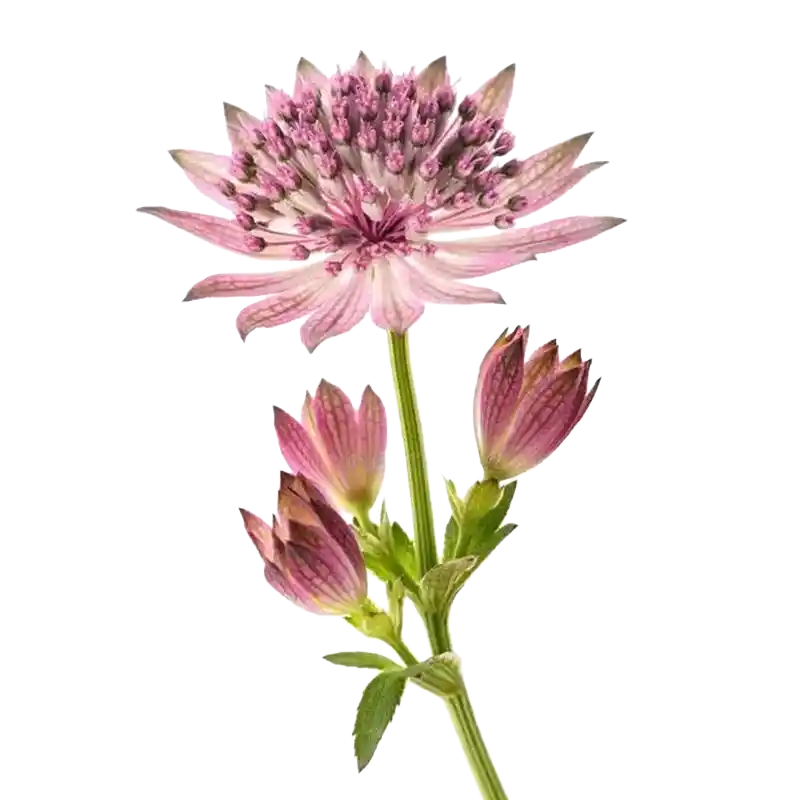
Astrantia major (great masterwort) is a mountain meadow plant of the carrot family, popular as an ornamental and used in Alpine folk medicine as a warming digestive, carminative and diuretic, and formerly as a purgative root ('black masterwort'). Its aromatic root and herb carry the essential oils and phenolics typical of the family.الأسترانتيا الكبرى (Astrantia major) نبتة مروجٍ جبلية من فصيلة الجزر، شائعة زينةً وتُستعمل في الطبّ الجبلي الشعبي مُدفئاً هاضماً وطارداً للريح ومُدرّاً، وسابقاً مُسهِلاً من الجذر. ويحمل جذرها العطر وعشبتها الزيوت الطيّارة والفينولات النموذجية للفصيلة.
Categoryالفئة
• Alpine umbellifer herb (Apiaceae)
• Digestive & carminative (traditional)
• Diuretic & mild laxative
• Antioxidant (studied)
• Ornamental & minor folk remedy• عشبة خيمية جبلية (الفصيلة الخيمية)
• هاضمة وطاردة للريح (تقليدي)
• مُدرّة للبول ومليّنة خفيفة
• مضادّة للأكسدة (مدروسة)
• زينة وعلاجٌ شعبي طفيف
Habitatالموطن
A perennial herb with star-like flower heads, of mountain meadows and woodland of central and southern Europe.عشبةٌ معمّرة برؤوس زهرٍ نجمية، في مروج الجبال وغابات وسط وجنوب أوروبا.
Parts usedالأجزاء المستخدمة
• Root/rhizome
• Aerial parts (herb)• الجذر/الجذمور
• الأجزاء الهوائية (العشبة)
Key constituentsالمكوّنات الفعّالة
• Essential oil
• Triterpene saponins
• Flavonoids
• Phenolic acids
• Coumarins• زيت طيّار
• صابونينات تريتربينية
• فلافونويدات
• أحماض فينولية
• كومارينات
Researchالأبحاث
Astrantia major is little studied pharmacologically, but its extracts contain saponins, flavonoids and phenolics with antioxidant activity, consistent with its traditional digestive, diuretic and purgative use. Evidence is limited and preclinical; today it is grown far more as a garden ornamental than used medicinally.الأسترانتيا الكبرى قليلة الدراسة دوائياً، لكنّ مستخلصاتها تحوي صابونينات وفلافونويدات وفينولات بنشاطٍ مضاد للأكسدة، بما يوافق استعمالها التقليدي الهاضم والمُدرّ والمُسهِل. والأدلة محدودة وقبل سريرية؛ وتُزرَع اليوم زينةً أكثر بكثير من استعمالها طبياً.
Published researchأبحاث منشورة
Traditional useالاستخدام التقليدي
Used in Alpine and European folk medicine as a warming digestive and carminative for indigestion, wind and colic, as a diuretic for water retention, and the root formerly as a purgative and to promote menstruation; also used on wounds.تُستعمل في الطبّ الجبلي والأوروبي الشعبي مُدفئاً هاضماً وطارداً للريح لعسر الهضم والريح والمغص ومُدرّاً لاحتباس الماء، والجذر سابقاً مُسهِلاً ولإدرار الطمث؛ وتُستعمل أيضاً على الجروح.
Current useالاستخدام الحالي
Grown mainly as a garden ornamental; occasionally used as a minor digestive/diuretic folk herb.تُزرَع أساساً زينةً للحدائق؛ وتُستعمل أحياناً عشبةً شعبية طفيفة للهضم/الإدرار.
Preparationsالتحضيرات
• Herb infusion (tea)
• Root decoction
• Ornamental plant
• Poultice• نقيع العشبة (شاي)
• مغليّ الجذر
• نبتة زينة
• لبخة
Used for these conditionsيُستخدم لهذه الحالات
Adult dosageجرعة البالغين
Herb infusion or small root decoction in modest traditional amounts; per traditional practice.نقيع العشبة أو مغليّ جذرٍ صغير بكميات تقليدية معتدلة؛ بحسب الممارسة التقليدية.
Child dosageجرعة الأطفال
Not typically used for children.لا تُستعمل عادةً للأطفال.
Cautionتحذيرات
Little studied and not standardised, so use only modest amounts. The root can be strongly purgative in quantity, so avoid large doses; avoid in pregnancy, and use cautiously alongside diuretic medicines. Best regarded as a minor traditional/garden herb.قليلة الدراسة وغير مقنّنة، فتُستعمل كميات معتدلة فقط. والجذر قد يكون مُسهِلاً قوياً بالكمية، فتُتجنَّب الجُرَع الكبيرة؛ ويُتجنَّب في الحمل، ويُستعمل بحذر مع أدوية الإدرار. والأولى عدّها عشبةً تقليدية/زينة طفيفة.
Pregnancy & nursingالحمل والرضاعة
Avoid in pregnancy — the root was traditionally purgative and emmenagogue; not safe.يُتجنَّب في الحمل — الجذر كان مُسهِلاً ومُدرّاً للطمث تقليدياً؛ وغير آمن.