Introductionمقدّمة
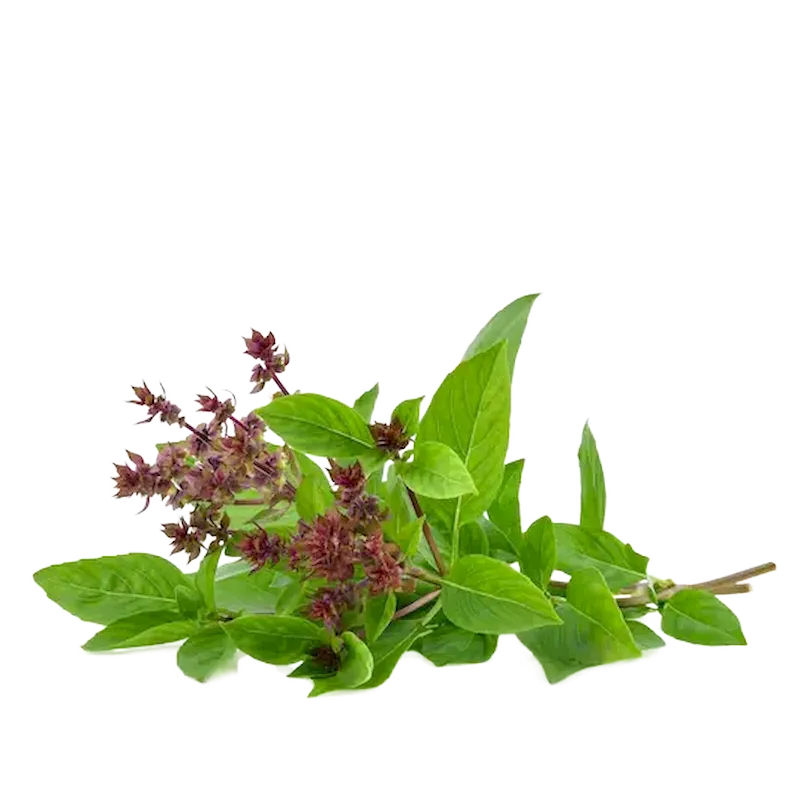
Sweet Basil, scientifically known as Ocimum basilicum, is a popular culinary herb native to Asia and Africa. It is highly regarded for its aromatic leaves, which are used as a flavorful ingredient in various cuisines and for its potential medicinal properties. الريحان الحلو، المعروف علمياً باسم Ocimum basilicum، هو عشب طهي شائع موطنه الأصلي آسيا وأفريقيا. ويُقدّر كثيراً لأوراقه العطرية، التي تُستخدم كمكون مُنكّه في مطابخ متنوعة، ولخصائصه الطبية المحتملة.
Categoryالفئة
• Potential antimicrobial
• Potential anti-inflammatory
• Culinary use for flavor• مضاد محتمل للميكروبات
• مضاد محتمل للالتهابات
• استخدامات طهي لإضافة النكهة
Habitatالموطن
Sweet Basil is cultivated in many regions around the world, typically in well-drained soil and with adequate sunlight. It is primarily grown for its leaves, which are harvested and used fresh or dried as a culinary herb. Sweet Basil has a history of traditional use in cooking and, to a lesser extent, in herbal medicine.يُزرع الريحان الحلو في مناطق عديدة حول العالم، عادةً في تربة جيدة التصريف وتحت أشعة الشمس الكافية. ويُزرع في المقام الأول لأوراقه، التي تُقطف وتُستخدم طازجة أو مجففة كعشبة طهي. وللريحان الحلو تاريخ طويل من الاستخدام التقليدي في الطبخ، وبدرجة أقل في الطب الشعبي.
Parts usedالأجزاء المستخدمة
• Leaves
• Essential oil (derived from leaves)• أوراق
• زيت عطري (مستخلص من الأوراق)
Key constituentsالمكوّنات الفعّالة
• Essential oil phenylpropanoids: methyl chavicol (estragole), eugenol, methyl eugenol (chemotype-dependent)
• Essential oil monoterpenes/oxygenates: linalool, 1,8‑cineole (eucalyptol), camphor, terpinen‑4‑ol, (plus ocimene/limonene in many profiles)
• Phenolic acids: rosmarinic acid (often dominant), caffeic acid derivatives (incl. chicoric/caftaric acids reported in leaves)
• Flavonoids: apigenin- and luteolin-type flavones (various glycosides)
• Pigments: chlorophylls and carotenoids (e.g., beta‑carotene, lutein)
• Nutrients/minerals: vitamins A and C (also vitamin K), plus calcium, magnesium, potassium, iron, zinc (amounts vary by cultivar and growing conditions)
• Other secondary metabolites often reported: tannins, sterols/steroids, anthocyanins (notably in purple cultivars)• فينيل بروبانويدات الزيت العطري: ميثيل شافيكول (إستراغول)، يوجينول، ميثيل يوجينول (يعتمد على النمط الكيميائي)
• أحاديات التربين/الأكسجينات في الزيت العطري: لينالول، 1،8-سينول (أوكاليبتول)، كافور، تربينين-4-أول، (بالإضافة إلى أوسيمين/ليمونين في العديد من التركيبات)
• الأحماض الفينولية: حمض الروزمارينيك (غالباً ما يكون سائداً)، مشتقات حمض الكافيين (بما في ذلك حمض الشيكوريك/كافاريك الموجود في الأوراق)
• الفلافونويدات: فلافونات من نوع أبيجينين ولوتولين (جليكوسيدات متنوعة)
• الأصباغ: الكلوروفيل والكاروتينات (مثل بيتا كاروتين، لوتين)
• العناصر الغذائية/المعادن: فيتامينات أ و ج (وأيضاً فيتامين ك)، بالإضافة إلى الكالسيوم، والمغنيسيوم، والبوتاسيوم، والحديد، والزنك (تختلف الكميات باختلاف الصنف وظروف النمو)
• المستقلبات الثانوية الأخرى التي يتم الإبلاغ عنها غالبًا: التانينات، والستيرولات/الستيرويدات، والأنثوسيانين (خاصة في الأصناف الأرجوانية)
Researchالأبحاث
Research on Sweet Basil has primarily focused on its essential oils, particularly eugenol, and their potential antimicrobial and anti-inflammatory effects. While it is primarily used in cooking, it has been studied for its culinary and potential medicinal properties.ركزت الأبحاث على نبات الريحان الحلو بشكل أساسي على زيوته العطرية، وخاصة الأوجينول، وتأثيراته المحتملة المضادة للميكروبات والالتهابات. ورغم استخدامه بشكل رئيسي في الطهي، فقد دُرست خصائصه الغذائية والطبية المحتملة.
Published researchأبحاث منشورة
↗ A randomized double-blind active-controlled clinical trial on the efficacy of topical basil (Ocimum basilicum) oil in knee osteoarthritis↗ Sweet Basil (Ocimum basilicum L.)-A Review of Its Botany↗ In Vitro and In Vivo Anticancer Activity of Basil (Ocimum spp.): Current Insights and Future ProspectsTraditional useالاستخدام التقليدي
Sweet Basil is widely used in culinary applications, where its leaves are employed to add flavor to various dishes, including pasta, salads, and sauces. It is not commonly used in modern herbal medicine but has a traditional history of use for minor ailments. Basil leaves can be used fresh or dried. يُستخدم الريحان الحلو على نطاق واسع في الطهي، حيث تُضاف أوراقه لإضفاء نكهة مميزة على أطباق متنوعة، بما في ذلك المعكرونة والسلطات والصلصات. لا يُستخدم الريحان الحلو بكثرة في الطب العشبي الحديث، ولكنه يتمتع بتاريخ طويل من الاستخدام التقليدي لعلاج بعض الأمراض البسيطة. ويمكن استخدام أوراق الريحان طازجة أو مجففة.
Current useالاستخدام الحالي
The leaves and the essential oil derived from them are the primary parts used for their culinary and potential medicinal properties. Basil leaves can be used fresh or dried in cooking, while the essential oil is used in aromatherapy and perfumery. تُعدّ أوراق الريحان والزيت العطري المستخلص منها الأجزاء الأساسية المستخدمة لخصائصها الغذائية والطبية المحتملة. يمكن استخدام أوراق الريحان طازجة أو مجففة في الطهي، بينما يُستخدم الزيت العطري في العلاج بالروائح وصناعة العطور.
Preparationsالتحضيرات
Culinary, Essential Oilزيت عطري, طهي
Used for these conditionsيُستخدم لهذه الحالات
Adult dosageجرعة البالغين
Dosage recommendations for Sweet Basil may vary depending on culinary preferences. It is typically used in appropriate quantities for flavoring in cooking, and there is no specific dosage for culinary use. In aromatherapy, consult with a qualified practitioner for guidance on essential oil usage.قد تختلف توصيات استخدام الريحان الحلو حسب التفضيلات في الطهي. يُستخدم عادةً بكميات مناسبة لإضفاء النكهة على الطعام، ولا توجد جرعة محددة للاستخدام في الطهي. في مجال العلاج العطري، يُنصح باستشارة أخصائي مؤهل للحصول على إرشادات حول استخدام الزيوت العطرية.
Child dosageجرعة الأطفال
Dosage recommendations for Sweet Basil may vary depending on culinary preferences. It is typically used in appropriate quantities for flavoring in cooking, and there is no specific dosage for culinary use. In aromatherapy, consult with a qualified practitioner for guidance on essential oil usage.قد تختلف توصيات استخدام الريحان الحلو حسب التفضيلات في الطهي. يُستخدم عادةً بكميات مناسبة لإضفاء النكهة على الطعام، ولا توجد جرعة محددة للاستخدام في الطهي. في مجال العلاج العطري، يُنصح باستشارة أخصائي مؤهل للحصول على إرشادات حول استخدام الزيوت العطرية.
Cautionتحذيرات
Sweet Basil is safe as a culinary herb in normal food amounts. However, basil essential oil and concentrated extracts contain estragole and methyleugenol, which are genotoxic/carcinogenic in high doses; do not ingest the essential oil or take concentrated preparations, and avoid these in pregnancy, breastfeeding and in young children. Those allergic to Lamiaceae plants should use caution.الريحان الحلو آمن كعشبة طهي بكميات الطعام المعتادة. إلا أن زيت الريحان العطري والمستخلصات المركزة تحتوي على الإستراغول والميثيل يوجينول، وهي مواد مسببة للطفرات/السرطان بجرعات عالية؛ لا تتناول الزيت العطري أو المستحضرات المركزة، وتجنبها أثناء الحمل والرضاعة وعند الأطفال الصغار. وعلى المصابين بحساسية النباتات الشفوية توخي الحذر.
Pregnancy & nursingالحمل والرضاعة
Avoid during Pregnancy/Nursingيمنع أثناء الحمل والرضاعة