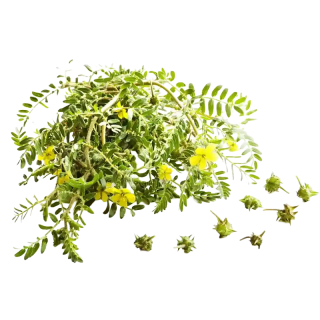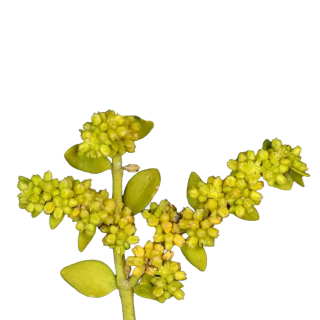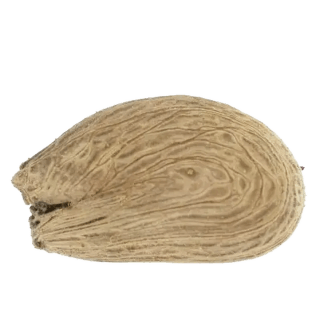
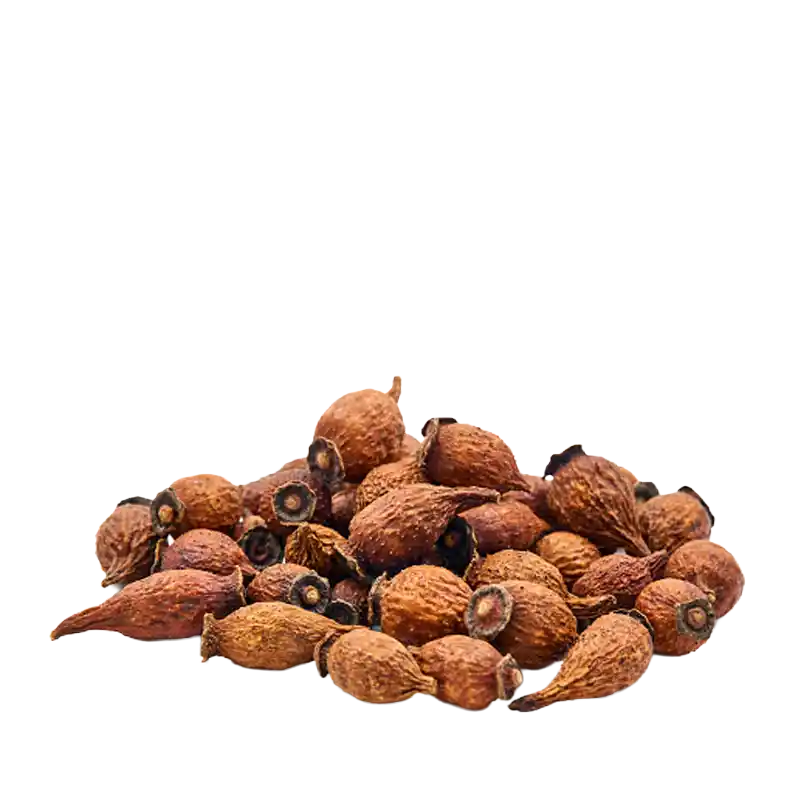
Introductionمقدّمة
Rosa laevigata ('jin ying zi', Cherokee rose hip) is the tart fruit of a climbing white rose, used in Chinese medicine as an astringent that 'stabilises the kidney and binds' — to secure essence and urine and 'bind up' leakage: for frequent urination, bed-wetting, seminal emission, vaginal discharge, and chronic diarrhoea. Its tannins, flavonoids, triterpenes and polysaccharides give researched antioxidant, anti-inflammatory, antimicrobial, immunomodulatory and lipid-lowering activity.ثمرة الورد الشيروكي (Rosa laevigata، «جين ينغ تسي») ثمرةٌ حامضة لوردٍ أبيض متسلّق، تُستعمل في الطبّ الصيني قابضاً «يثبّت الكلى ويربط» — لحفظ الجوهر والبول و«ربط» التسرّب: لكثرة التبوّل والتبوّل الليلي والقذف المنويّ والثرّ المهبلي والإسهال المزمن. وتانيناتها وفلافونويداتها وتربيناتها الثلاثية وسكّرياتها المتعدّدة تمنح نشاطاً مدروساً مضاداً للأكسدة والالتهاب والميكروبات ومعدِّلاً للمناعة وخافضاً للدهون.
Categoryالفئة
• Astringent kidney-securing rose hip (Rosaceae)
• 'Jin ying zi' — stabilises & binds, secures essence & urine
• Antioxidant, anti-inflammatory & antimicrobial (studied)
• Immunomodulatory & lipid-lowering
• Traditional urinary-leakage, discharge & diarrhoea herb• ثمرة ورد قابضة مثبّتة للكلى (الفصيلة الوردية)
• «جين ينغ تسي» — تثبّت وتربط وتحفظ الجوهر والبول
• مضادّة للأكسدة والالتهاب والميكروبات (مدروسة)
• معدِّلة للمناعة وخافضة للدهون
• عشبة تقليدية لتسرّب البول والثرّ والإسهال
Habitatالموطن
A climbing evergreen rose of southern China (and naturalised elsewhere); the ripe reddish hips are dried, deseeded and used.وردة متسلّقة دائمة الخضرة في جنوب الصين (ومتأقلمة في غيرها)؛ تُجفَّف الثمار الناضجة المحمرّة وتُنزَع بذورها وتُستعمل.
Parts usedالأجزاء المستخدمة
• Ripe fruit (hip, deseeded)• الثمرة الناضجة (منزوعة البذور)
Key constituentsالمكوّنات الفعّالة
• Tannins (astringent)
• Flavonoids
• Triterpenoid saponins
• Polysaccharides
• Organic acids & vitamin C• تانينات (قابضة)
• فلافونويدات
• سابونينات تربينية ثلاثية
• سكّريات متعدّدة
• أحماض عضوية وفيتامين C
Researchالأبحاث
Rosa laevigata ('jin ying zi') is reviewed for antioxidant, anti-inflammatory, antimicrobial, immunomodulatory, hepatoprotective and lipid-lowering activity, with tannins, flavonoids, triterpenes and polysaccharides as key constituents, consistent with its traditional astringent, kidney-securing use; comprehensive reviews cover its uses, chemistry, pharmacology and quality control. Evidence is chiefly preclinical.تُراجَع ثمرة الورد الشيروكي («جين ينغ تسي») لنشاطٍ مضاد للأكسدة والالتهاب والميكروبات ومعدِّل للمناعة وواقٍ للكبد وخافض للدهون، بتانينات وفلافونويدات وتربينات ثلاثية وسكّريات متعدّدة مكوّناتٍ رئيسة، متّسقةً مع استعمالها التقليدي القابض المثبّت للكلى؛ وتغطّي مراجعات شاملة استعمالاتها وكيمياءها وصيدلتها وضبط جودتها. والأدلة أوّلية غالباً.
Published researchأبحاث منشورة
Traditional useالاستخدام التقليدي
Deseeded ripe hips decocted or made into a syrup/paste in Chinese medicine to 'stabilise the kidney, secure the essence and bind the intestines' — for frequent and copious urination, bed-wetting and dribbling, seminal emission and spermatorrhoea, excessive or persistent vaginal discharge, uterine prolapse, and chronic diarrhoea or dysentery from deficiency; a securing, astringent tonic often used in kidney-strengthening formulas.تُغلى الثمار الناضجة منزوعة البذور أو تُصنَع شراباً/معجوناً في الطبّ الصيني «لتثبيت الكلى وحفظ الجوهر وربط الأمعاء» — لكثرة التبوّل وغزارته والتبوّل الليلي والتنقيط والقذف المنويّ والسيلان المنويّ والثرّ المهبلي المفرط أو المستمرّ وهبوط الرحم والإسهال أو الزحار المزمن من النقص؛ مقوٍّ قابض مثبّت يُستعمل غالباً في خلطات تقوية الكلى.
Current useالاستخدام الحالي
An astringent, kidney-securing rose hip (jin ying zi) with researched antioxidant, anti-inflammatory and lipid-lowering activity — used for urinary leakage, discharge and chronic diarrhoea.ثمرة ورد قابضة مثبّتة للكلى (جين ينغ تسي) بنشاطٍ مدروس مضاد للأكسدة والالتهاب وخافض للدهون — تُستعمل لتسرّب البول والثرّ والإسهال المزمن.
Preparationsالتحضيرات
• Deseeded-hip decoction
• Rose-hip syrup/paste
• In securing/kidney-tonic formulas• مغلي الثمرة منزوعة البذور
• شراب/معجون ثمرة الورد
• في خلطات مثبّتة/مقوّية للكلى
Used for these conditionsيُستخدم لهذه الحالات
Adult dosageجرعة البالغين
Deseeded-hip decoction/syrup in modest traditional amounts per Chinese practice, usually within securing/kidney-tonic formulas.مغلي/شراب الثمرة منزوعة البذور بكميات تقليدية معتدلة بحسب الممارسة الصينية، غالباً ضمن خلطات مثبّتة/مقوّية للكلى.
Child dosageجرعة الأطفال
Used (in formulas) for children's bed-wetting/chronic diarrhoea under professional guidance.تُستعمل (في الخلطات) للتبوّل الليلي/الإسهال المزمن عند الأطفال بإرشاد مختصّ.
Cautionتحذيرات
Being astringent and 'securing', it is best for genuine leakage/deficiency patterns and should NOT be used when there is an active infection, acute dysentery, or heat/damp-heat that still needs to be cleared, as it can 'trap' the pathogen. Its tannins may cause constipation or stomach upset in large amounts and can reduce absorption of iron and some medicines — separate dosing. Use good-quality, deseeded fruit under guidance.لكونها قابضة «مثبّتة»، فالأنسب لأنماط التسرّب/النقص الحقيقية ولا تُستعمل مع عدوى نشطة أو زحار حادّ أو حرارة/حرارة رطبة ما زالت تحتاج تنقية، لأنها قد «تحبس» المُمرِض. وتانيناتها قد تُسبّب إمساكاً أو اضطراب معدة بكميات كبيرة وقد تقلّل امتصاص الحديد وبعض الأدوية — يُبَاعَد التوقيت. وتُستعمل ثمرة جيّدة منزوعة البذور بإرشاد.
Pregnancy & nursingالحمل والرضاعة
Limited pregnancy safety data — use medicinally in pregnancy under professional guidance.بيانات سلامة حملية محدودة — تُستعمل علاجياً في الحمل بإرشاد مختصّ.