Introductionمقدّمة
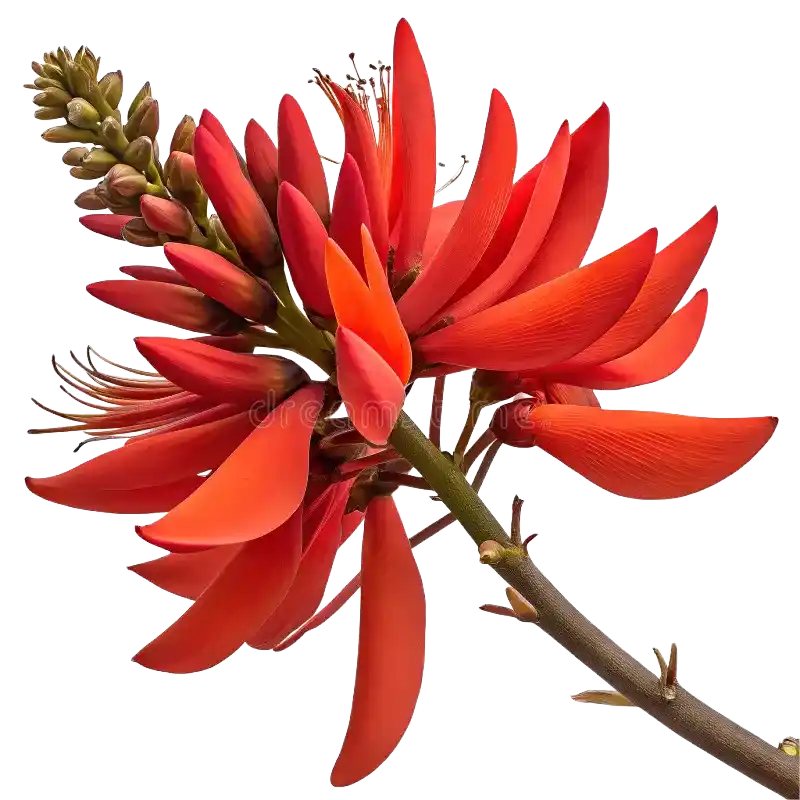
Erythrina abyssinica (Abyssinian coral tree, red-hot-poker tree) is an East African tree with striking red flowers, widely used in folk medicine. Its bark, roots and leaves treat infections, malaria, wounds, pain and inflammation, and extracts show antimicrobial, antioxidant, anti-inflammatory and antiplasmodial activity. Note: the seeds contain toxic Erythrina alkaloids.شجرة المرجان الحبشية (Erythrina abyssinica) شجرة شرق إفريقية بأزهارٍ حمراء لافتة، واسعة الاستعمال في الطبّ الشعبي. ويعالج لحاؤها وجذورها وأوراقها العدوى والملاريا والجروح والألم والالتهاب، وتُظهر المستخلصات نشاطاً مضاداً للميكروبات والأكسدة والالتهاب والبلازموديوم. ملاحظة: البذور تحوي قلويدات إريثرينا سامّة.
Categoryالفئة
• African coral tree (Fabaceae)
• Antimicrobial & antioxidant
• Anti-inflammatory & analgesic (studied)
• Antiplasmodial (malaria) & wound-healing
• CAUTION: seeds contain toxic alkaloids• شجرة المرجان الإفريقية (فصيلة البقول)
• مضادّة للميكروبات والأكسدة
• مضادّة للالتهاب ومسكّنة (مدروسة)
• مضادّة للبلازموديوم (الملاريا) ومُلئِمة للجروح
• تنبيه: البذور تحوي قلويدات سامّة
Habitatالموطن
A medium deciduous tree with corky bark and scarlet flowers, of the savanna and highlands of East and Central Africa.شجرة نفضية متوسّطة بلحاءٍ فلّيني وأزهارٍ قرمزية، في سافانا ومرتفعات شرق ووسط إفريقيا.
Parts usedالأجزاء المستخدمة
• Bark
• Roots
• Leaves
• Flowers• اللحاء
• الجذور
• الأوراق
• الأزهار
Key constituentsالمكوّنات الفعّالة
• Prenylated flavonoids & isoflavonoids
• Pterocarpans
• Alkaloids (erythrinan — mainly seeds)
• Triterpenes
• Phenolic acids• فلافونويدات وإيزوفلافونويدات مُبرْنَلة
• بتيروكاربانات
• قلويدات (إريثرينانية — في البذور غالباً)
• تريتربينات
• أحماض فينولية
Researchالأبحاث
Erythrina abyssinica and the related E. senegalensis are documented for antimicrobial, antioxidant, anti-inflammatory, analgesic and antiplasmodial activity, driven by their prenylated flavonoids and pterocarpans, supporting their wide use for infection, malaria, pain and wounds. Evidence is preclinical; the seeds carry toxic curare-like erythrinan alkaloids and are not for internal use.شجرة المرجان الحبشية والقريبة E. senegalensis موثّقتان بنشاطٍ مضاد للميكروبات والأكسدة والالتهاب ومسكّن ومضاد للبلازموديوم، مدفوعاً بفلافونويداتهما المُبرْنَلة والبتيروكاربانات، بما يدعم استعمالهما الواسع للعدوى والملاريا والألم والجروح. والأدلة قبل سريرية؛ والبذور تحمل قلويدات إريثرينانية سامّة شبيهة بالكورار وليست للاستعمال الداخلي.
Published researchأبحاث منشورة
Traditional useالاستخدام التقليدي
Used across East Africa for infections and fever, malaria, for wounds, burns, abscesses and skin problems, for pain, swellings and rheumatism, for coughs, for diarrhoea, and for 'women's' and urinary complaints; bark and roots are the usual medicinal parts.تُستعمل عبر شرق إفريقيا للعدوى والحمّى والملاريا وللجروح والحروق والخرّاجات ومشكلات الجلد وللألم والتورّمات والروماتزم وللسعال وللإسهال ولشكاوى «النساء» والبول؛ واللحاء والجذور هما الجزآن الطبيّان المعتادان.
Current useالاستخدام الحالي
Used as an East African folk remedy for infection, malaria, pain and wounds; studied for antimicrobial and antiplasmodial activity.تُستعمل علاجاً شعبياً شرق إفريقياً للعدوى والملاريا والألم والجروح؛ وتُدرَس لنشاطها المضاد للميكروبات والبلازموديوم.
Preparationsالتحضيرات
• Bark/root decoction
• Topical wash/poultice (wounds)
• Bark powder• مغليّ اللحاء/الجذر
• غسول/لبخة موضعية (الجروح)
• مسحوق اللحاء
Used for these conditionsيُستخدم لهذه الحالات
Adult dosageجرعة البالغين
Bark/root decoction in traditional amounts (bark/root, not seeds); topical for wounds; per traditional practice.مغليّ اللحاء/الجذر بكميات تقليدية (اللحاء/الجذر لا البذور)؛ موضعياً للجروح؛ بحسب الممارسة التقليدية.
Child dosageجرعة الأطفال
Medicinal use only with knowledgeable guidance; never give the seeds.الاستعمال الطبي بإرشادٍ خبير فقط؛ ولا تُعطى البذور أبداً.
Cautionتحذيرات
Do NOT use the seeds internally — Erythrina seeds contain toxic, curare-like alkaloids that can affect the nervous system and breathing. Keep the bright red seeds away from children. Bark/root medicinal dosing is not standardised; avoid in pregnancy, use knowledgeable sourcing, and do not rely on it alone for malaria or serious infection.لا تُستعمل البذور داخلياً — فبذور الإريثرينا تحوي قلويدات سامّة شبيهة بالكورار قد تؤثّر في الجهاز العصبي والتنفّس. وتُبعَد البذور الحمراء الزاهية عن الأطفال. وجرعة اللحاء/الجذر الطبية غير مقنّنة؛ فيُتجنَّب في الحمل، ويُعتمَد مصدرٌ خبير، ولا يُعتمَد عليه وحده في الملاريا أو العدوى الشديدة.
Pregnancy & nursingالحمل والرضاعة
Avoid in pregnancy — not established as safe and traditionally used for uterine complaints.يُتجنَّب في الحمل — غير مثبت الأمان ويُستعمل تقليدياً لشكاوى الرحم.