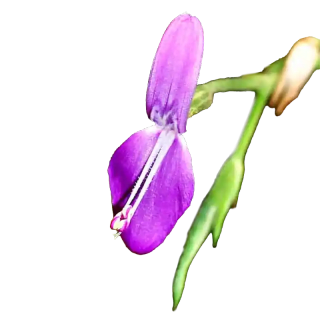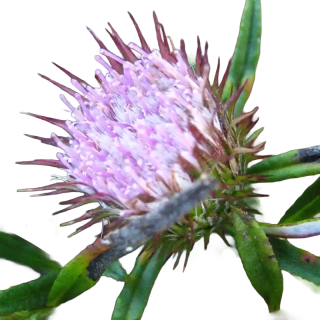
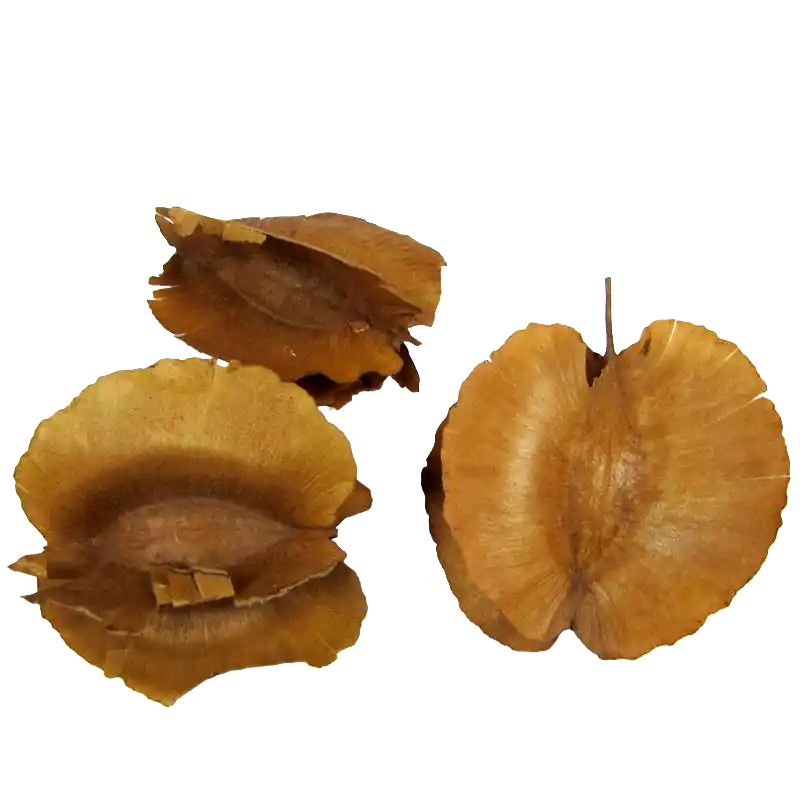
Introductionمقدّمة
Combretum glutinosum is a common West African savanna tree whose leaves are a widely-drunk medicinal tea across the Sahel (notably in Mali, Senegal and Niger). It is used for liver and digestive complaints, fevers, wounds and hypertension, and its leaves are rich in antioxidant polyphenols with documented anti-inflammatory and antimicrobial activity.الكومبريتوم اللزج (Combretum glutinosum) شجرة سافانا غرب إفريقية شائعة، أوراقها شايٌ طبيّ واسع الشرب عبر السّاحل (خاصةً في مالي والسنغال والنيجر). ويُستعمل لشكاوى الكبد والهضم والحمّيات والجروح وارتفاع الضغط، وأوراقه غنية ببوليفينولات مضادة للأكسدة بنشاطٍ موثّق مضاد للالتهاب والميكروبات.
Categoryالفئة
• West African medicinal savanna tree
• Antioxidant & anti-inflammatory
• Liver & digestive support (traditional)
• Antimicrobial
• Diuretic / antihypertensive (traditional)• شجرة سافانا طبية غرب إفريقية
• مضادّة للأكسدة والالتهاب
• دعمٌ للكبد والهضم (تقليدي)
• مضادّة للميكروبات
• مُدرّة للبول/خافضة للضغط (تقليدي)
Habitatالموطن
A small to medium tree of the West African and Sahelian savanna, from Senegal and Mali eastwards.شجرة صغيرة إلى متوسّطة في سافانا غرب إفريقيا والسّاحل، من السنغال ومالي شرقاً.
Parts usedالأجزاء المستخدمة
• Leaves (main)
• Bark
• Roots
• Gum• الأوراق (رئيسي)
• اللحاء
• الجذور
• الصمغ
Key constituentsالمكوّنات الفعّالة
• Flavonoids (combretol, flavonol glycosides)
• Tannins
• Phenolic acids
• Triterpenes
• Polysaccharide gum• فلافونويدات (كومبريتول، غليكوزيدات فلافونول)
• تانينات
• أحماض فينولية
• تريتربينات
• صمغ عديد السكاريد
Researchالأبحاث
Combretum glutinosum leaf extracts are rich in flavonoids and phenolics and show antioxidant, anti-inflammatory and antimicrobial activity in laboratory studies; Combretaceae ethnopharmacology reviews document its wide Sahelian use for liver, digestive, febrile and hypertensive complaints. Evidence is preclinical and ethnobotanical rather than from controlled human trials.مستخلصات أوراق الكومبريتوم اللزج غنية بالفلافونويدات والفينولات وتُظهر نشاطاً مضاداً للأكسدة والالتهاب والميكروبات في الدراسات المخبرية؛ وتوثّق مراجعات الإثنوفارماكولوجيا للفصيلة الكومبريتية استعماله السّاحلي الواسع لشكاوى الكبد والهضم والحمّى والضغط. والأدلة قبل سريرية وإثنوبوتانية لا من تجارب بشرية مضبوطة.
Published researchأبحاث منشورة
Traditional useالاستخدام التقليدي
Drunk as a leaf tea across the Sahel for liver and digestive complaints, jaundice, fever and malaria, coughs and colds, high blood pressure, and as a diuretic; leaves and bark used on wounds and for skin problems.يُشرَب شايَ أوراقٍ عبر السّاحل لشكاوى الكبد والهضم واليرقان والحمّى والملاريا والسعال والزكام وارتفاع الضغط ومُدرّاً للبول؛ وتُستعمل الأوراق واللحاء على الجروح ولمشكلات الجلد.
Current useالاستخدام الحالي
Used as a popular Sahelian herbal tea for liver, digestion and blood pressure; studied for antioxidant and antimicrobial activity.يُستعمل شاياً عشبياً سّاحلياً شائعاً للكبد والهضم والضغط؛ ويُدرَس لنشاطه المضاد للأكسدة والميكروبات.
Preparationsالتحضيرات
• Leaf infusion/decoction (tea)
• Bark decoction
• Topical wash
• Gum• نقيع/مغليّ الأوراق (شاي)
• مغليّ اللحاء
• غسول موضعي
• صمغ
Used for these conditionsيُستخدم لهذه الحالات
Adult dosageجرعة البالغين
Leaf infusion/decoction in traditional amounts, 1–3 cups daily; per traditional practice.نقيع/مغليّ الأوراق بكميات تقليدية، 1–3 أكواب يومياً؛ بحسب الممارسة التقليدية.
Child dosageجرعة الأطفال
A weak tea is used traditionally in some regions; give medicinal doses only with guidance.يُستعمل شايٌ خفيف تقليدياً في بعض المناطق؛ وتُعطى الجُرَع الطبية بإرشادٍ فقط.
Cautionتحذيرات
Generally well tolerated as a folk tea, but medicinal dosing is not standardised. Because it is used for blood pressure and as a diuretic, use cautiously alongside blood-pressure and diuretic medicines, and do not rely on it in place of treatment for malaria, hepatitis or hypertension.يُحتمَل عموماً شاياً شعبياً، لكنّ الجرعة الطبية غير مقنّنة. ولأنّه يُستعمل للضغط ومُدرّاً للبول، يُستعمل بحذر مع أدوية الضغط والإدرار، ولا يُعتمَد عليه بدلاً من علاج الملاريا أو التهاب الكبد أو ارتفاع الضغط.
Pregnancy & nursingالحمل والرضاعة
Avoid medicinal doses in pregnancy — not established as safe.تُتجنَّب الجُرَع الطبية في الحمل — غير مثبتة الأمان.