Introductionمقدّمة
Elephantopus scaber (prickly-leaved elephant's foot) is a pantropical rosette herb widely used in folk medicine for fevers, the liver, inflammation, wounds and 'women's' complaints. Its sesquiterpene lactones give documented hepatoprotective, anti-inflammatory, antioxidant and anticancer-screening activity.قدم الفيل الشائكة (Elephantopus scaber) عشبةٌ وريدية استوائية تُستعمل واسعاً في الطبّ الشعبي للحمّى والكبد والالتهاب والجروح وشكاوى «النساء». وتُعطي لاكتوناتها السيسكويتربينية نشاطاً موثّقاً واقياً للكبد ومضاداً للالتهاب والأكسدة وفي فحص السرطان.
Categoryالفئة
• Pantropical 'elephant's foot' folk medicine
• Hepatoprotective / anti-inflammatory (studied)
• Antioxidant / antimicrobial
• Anticancer screening (preclinical)
• Traditional fever, liver & wound remedy• «قدم الفيل» الاستوائية الشعبية
• واقٍ للكبد/مضاد للالتهاب (مدروس)
• مضاد للأكسدة/الميكروبات
• فحص سرطان (أوّلي)
• علاجٌ تقليدي للحمّى والكبد والجروح
Habitatالموطن
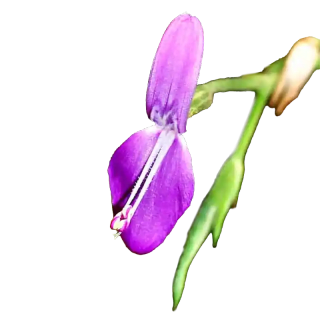
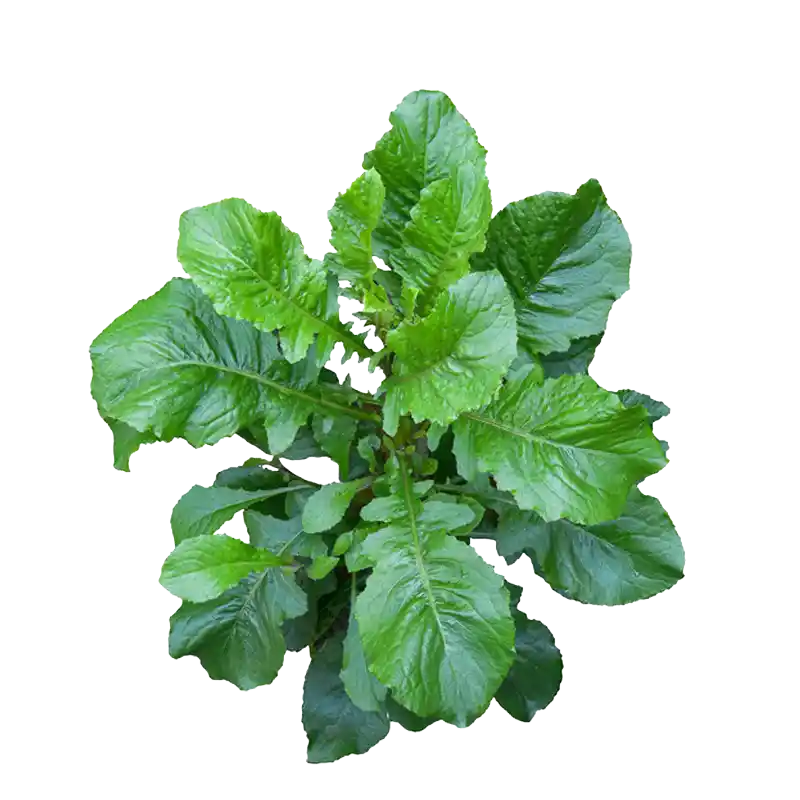
A low herb with a flat rosette of rough leaves and small purple flower heads, of open ground across the tropics of Asia, Africa and the Americas.عشبةٌ منخفضة بوريدةٍ مسطّحة من أوراقٍ خشنة ونوراتٍ أرجوانية صغيرة، في الأرض المفتوحة عبر مناطق آسيا وإفريقيا والأمريكتين الاستوائية.
Parts usedالأجزاء المستخدمة
• Whole plant
• Roots
• Leaves• النبتة كاملة
• الجذور
• الأوراق
Key constituentsالمكوّنات الفعّالة
• Sesquiterpene lactones (deoxyelephantopin)
• Flavonoids
• Triterpenes
• Phenolic acids
• Sterols• لاكتونات سيسكويتربينية (ديوكسي إليفانتوبين)
• فلافونويدات
• تريتربينات
• أحماض فينولية
• ستيرولات
Researchالأبحاث
Studies confirm Elephantopus scaber protects the liver, reduces inflammation and has antioxidant and antimicrobial activity, and its compound deoxyelephantopin shows notable anticancer activity in laboratory screening — supporting its traditional use for the liver, fevers, inflammation and wounds. Evidence is largely preclinical.تؤكّد الدراسات أن قدم الفيل الشائكة تحمي الكبد وتقلّل الالتهاب ولها نشاطٌ مضاد للأكسدة والميكروبات، ويُظهِر مركّبها الديوكسي إليفانتوبين نشاطاً ملحوظاً مضاداً للسرطان في الفحص المخبري — بما يدعم استعمالها التقليدي للكبد والحمّى والالتهاب والجروح. والأدلة أوّلية غالباً.
Published researchأبحاث منشورة
Traditional useالاستخدام التقليدي
Used across the tropics for fevers and malaria, liver complaints and jaundice, inflammation and pain, coughs and chest complaints, diarrhoea and dysentery, wounds and skin conditions, and 'women's' and post-natal complaints.تُستعمل في المناطق الاستوائية للحمّى والملاريا وشكاوى الكبد واليرقان والالتهاب والألم والسعال وشكاوى الصدر والإسهال والزحار والجروح والأمراض الجلدية وشكاوى «النساء» وما بعد الولادة.
Current useالاستخدام الحالي
Used in tropical traditional medicine as a whole-plant decoction; studied for hepatoprotective and anticancer compounds.تُستعمل في الطبّ التقليدي الاستوائي مغليّ نبتةٍ كاملة؛ وتُدرَس لمركّباتها الواقية للكبد والمضادة للسرطان.
Preparationsالتحضيرات
Whole-plant/root decoction, Poulticeمغليّ نبتةٍ كاملة/جذر، لبخة
Used for these conditionsيُستخدم لهذه الحالات
Adult dosageجرعة البالغين
Whole-plant/root decoction in traditional amounts per practitioner; no standardised dose.مغليّ نبتةٍ كاملة/جذر بكميات تقليدية بحسب المختصّ؛ لا جرعة موحّدة.
Child dosageجرعة الأطفال
Only under knowledgeable guidance for children.فقط بإرشاد خبير للأطفال.
Cautionتحذيرات
Generally used safely in traditional amounts, but formal safety data are limited, so use modest doses under knowledgeable guidance. The sesquiterpene lactones can occasionally cause contact allergy or irritation. Because it is used for the womb, avoid medicinal use in pregnancy. Seek medical care for malaria or liver disease.تُستعمل بأمانٍ عموماً بالكميات التقليدية، لكن بيانات الأمان الرسمية محدودة، فاستعمِل جرعاتٍ معتدلة بإرشاد خبير. وقد تسبّب اللاكتونات السيسكويتربينية تحسّساً تماسّياً أو تهيّجاً أحياناً. ولأنها تُستعمل للرحم، تجنّب الاستعمال الدوائي في الحمل. واطلب الرعاية الطبية للملاريا أو مرض الكبد.
Pregnancy & nursingالحمل والرضاعة
Avoid in pregnancy — used traditionally for the womb/post-partum, not during pregnancy.يُتجنَّب في الحمل — يُستعمل تقليدياً للرحم/بعد الولادة، لا أثناء الحمل.