Introductionمقدّمة
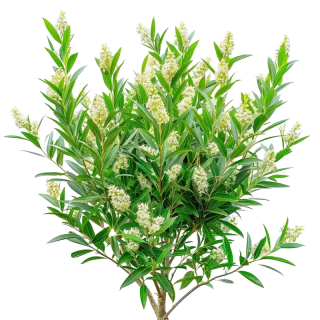
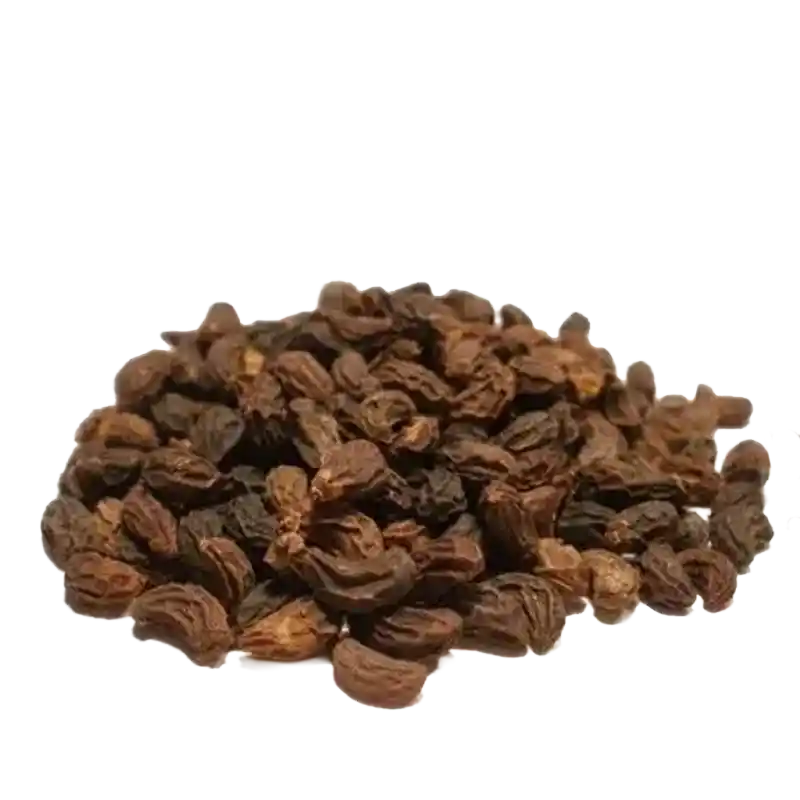
Ligustrum japonicum (Japanese privet) is a glossy evergreen privet closely related to Ligustrum lucidum, the source of the classic Chinese yin-tonic fruit 'nu zhen zi'. The ripe privet berries are used to 'tonify the liver and kidney yin', darken hair, brighten the eyes and support immunity. Their triterpene oleanolic/ursolic acids and secoiridoids give researched immunomodulatory, hepatoprotective and antioxidant effects. NOTE: privet berries are mildly toxic if eaten in quantity raw, so they are used prepared and in modest medicinal amounts.الِلْيغُسْتْرُم الياباني (Ligustrum japonicum) لِيغُسترم دائم الخضرة لمّاع وثيق القربى بـ Ligustrum lucidum مصدرِ ثمرة اليِن المقوّية الصينية الكلاسيكية «نو تشِن تسي». وتُستعمل حبّاته الناضجة «لتقوية يِن الكبد والكلى» وتسويد الشعر وتنوير العين ودعم المناعة. وأحماضها التربينية الثلاثية (أولينوليك/أورسوليك) والسيكويريدويدات تمنح تأثيراتٍ مدروسة معدِّلة للمناعة وواقية للكبد ومضادّة للأكسدة. ملاحظة: حبّ اللِّيغُسترم مسمّم خفيفاً إن أُكل بكمّية نيّئاً، فيُستعمل محضّراً وبكميات علاجية معتدلة.
Categoryالفئة
• Yin-tonic privet fruit (Oleaceae)
• Privet berry, close relative of TCM 'nu zhen zi'
• Immunomodulatory & hepatoprotective (oleanolic acid, studied)
• Antioxidant
• ⚠️ Privet berries mildly toxic in quantity — prepared, modest use• ثمرة لِيغُسترم مقوّية لليِن (الفصيلة الزيتونية)
• حبّ اللِّيغُسترم، قريب «نو تشِن تسي» في الطبّ الصيني
• معدِّلة للمناعة وواقية للكبد (حمض أولينوليك، مدروس)
• مضادّة للأكسدة
• ⚠️ حبّ اللِّيغُسترم مسمّم خفيفاً بالكمّية — يُستعمل محضّراً بقدرٍ معتدل
Habitatالموطن
An evergreen privet shrub/tree of East Asia, widely planted ornamentally; the ripe blue-black berries are the medicinal part.شجيرة/شجرة لِيغُسترم دائمة الخضرة في شرق آسيا، تُزرَع زينةً واسعاً؛ والحبّ الناضج الأزرق-الأسود هو الجزء الطبّي.
Parts usedالأجزاء المستخدمة
• Ripe fruit (berry)• الثمرة الناضجة (الحبّة)
Key constituentsالمكوّنات الفعّالة
• Triterpene acids (oleanolic, ursolic)
• Secoiridoid glycosides (nuzhenide, oleuropein-type)
• Flavonoids
• Phenylethanoids (salidroside-type)
• Fatty oil• أحماض تربينية ثلاثية (أولينوليك، أورسوليك)
• غليكوزيدات سيكويريدويدية (نوزهينيد، من نوع الأوليوروبين)
• فلافونويدات
• فينيل-إيثانويدات (من نوع الساليدروسيد)
• زيت دهني
Researchالأبحاث
Privet fruit (Ligustrum lucidum, closely related to L. japonicum) and its oleanolic acid and secoiridoids are reviewed for immunomodulatory, hepatoprotective, antioxidant, anti-inflammatory and bone-supportive effects, consistent with the traditional yin-tonic use; comprehensive reviews cover its chemistry, pharmacology and toxicity. Evidence is chiefly preclinical, and species differ somewhat, so correct sourcing matters.تُراجَع ثمرة اللِّيغُسترم (Ligustrum lucidum، وثيقة القربى بـ L. japonicum) وحمضها الأولينوليك وسيكويريدويداتها لتأثيراتٍ معدِّلة للمناعة وواقية للكبد ومضادّة للأكسدة والالتهاب وداعمة للعظم، بما يتّسق مع الاستعمال التقليدي المقوّي لليِن؛ وتغطّي مراجعات شاملة كيمياءها وصيدلتها وسميّتها. والأدلة أوّلية غالباً، والأنواع تختلف بعض الشيء، فيهمّ المصدر الصحيح.
Published researchأبحاث منشورة
Traditional useالاستخدام التقليدي
Ripe privet berries (usually the 'nu zhen zi' fruit, a close relative) prepared and decocted in Chinese medicine to 'tonify liver and kidney yin' — for premature greying, dizziness, blurred or weak vision and dry sore eyes, tinnitus, low-back and knee weakness, night sweats and a low-grade 'yin-deficiency' heat; a gentle, cumulative tonic often combined with other yin herbs.يُحضَّر حبّ اللِّيغُسترم الناضج (غالباً ثمرة «نو تشِن تسي» القريبة) ويُغلى في الطبّ الصيني «لتقوية يِن الكبد والكلى» — للشيب المبكّر والدوخة والرؤية المشوّشة أو الضعيفة وجفاف العين وألمها والطنين وضعف أسفل الظهر والركبتين والتعرّق الليلي وحرارة «نقص اليِن» الخفيفة؛ مقوٍّ لطيف تراكمي يُركَّب غالباً مع أعشاب يِن أخرى.
Current useالاستخدام الحالي
A gentle liver/kidney-yin tonic privet berry (nu zhen zi type) with researched immunomodulatory, hepatoprotective and antioxidant activity; used prepared and in modest amounts.حبّ لِيغُسترم مقوٍّ لطيف ليِن الكبد/الكلى (من نوع نو تشِن تسي) بنشاطٍ مدروس معدِّل للمناعة وواقٍ للكبد ومضاد للأكسدة؛ يُستعمل محضّراً وبقدرٍ معتدل.
Preparationsالتحضيرات
• Prepared-fruit decoction
• Wine-steamed fruit (traditional)
• In liver/kidney-yin tonic formulas• مغلي الثمرة المحضّرة
• ثمرة مبخّرة بالنبيذ (تقليدي)
• في خلطات تقوية يِن الكبد/الكلى
Used for these conditionsيُستخدم لهذه الحالات
Adult dosageجرعة البالغين
Prepared fruit decoction in modest traditional amounts per Chinese practice; a gentle tonic usually taken over time within formulas.مغلي الثمرة المحضّرة بكميات تقليدية معتدلة بحسب الممارسة الصينية؛ مقوٍّ لطيف يُؤخذ غالباً على مدى الوقت ضمن الخلطات.
Child dosageجرعة الأطفال
Modest amounts of the prepared fruit for children under professional guidance.كميات معتدلة من الثمرة المحضّرة للأطفال بإرشاد مختصّ.
Cautionتحذيرات
⚠️ Raw privet berries (and leaves) contain irritant glycosides and are mildly toxic if eaten in quantity, which can cause nausea, vomiting and diarrhoea — so use only the properly prepared medicinal fruit in traditional amounts, not raw ornamental berries. Being cool and moistening it may loosen the stools or not suit those with weak, cold digestion. Confirm species/sourcing (L. lucidum is the classic 'nu zhen zi') and use under guidance.⚠️ حبّ اللِّيغُسترم النيّئ (وأوراقه) يحوي غليكوزيدات مهيّجة وهو مسمّم خفيفاً إن أُكل بكمّية، فقد يُسبّب غثياناً وقيئاً وإسهالاً — فتُستعمل فقط الثمرة الطبّية المحضّرة جيّداً بكميات تقليدية، لا حبّ الزينة النيّئ. وكونه بارداً مرطّباً قد يليّن البراز أو لا يناسب ذوي الهضم الضعيف البارد. ويُؤكَّد النوع/المصدر (L. lucidum هو «نو تشِن تسي» الكلاسيكي) ويُستعمل بإرشاد.
Pregnancy & nursingالحمل والرضاعة
Limited pregnancy safety data — use the prepared fruit medicinally in pregnancy only under professional guidance.بيانات سلامة حملية محدودة — تُستعمل الثمرة المحضّرة علاجياً في الحمل بإرشاد مختصّ فقط.