Introductionمقدّمة
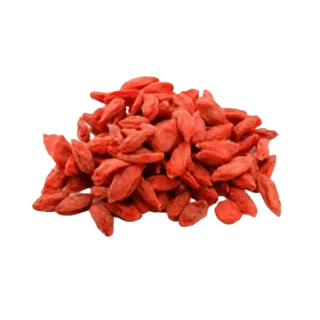
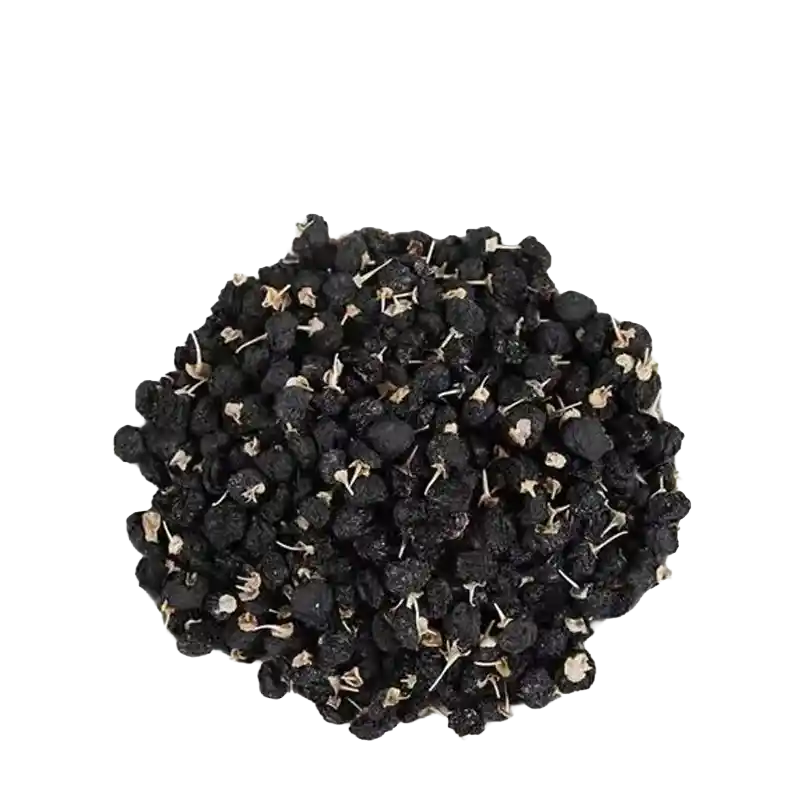
Lycium ruthenicum (black wolfberry / black goji) is a desert relative of the red goji berry, prized for its exceptionally high content of anthocyanins — especially petunidin glycosides — that make the dried fruit deep purple-black and a potent antioxidant. Eaten as a tonic 'super-berry' and steeped as tea, it is used traditionally to strengthen the body, benefit the eyes and 'nourish blood/kidney', with researched antioxidant, anti-inflammatory, neuroprotective and vision-supporting effects.الغوجي الأسود (Lycium ruthenicum) قريبٌ صحراويّ للغوجي الأحمر، يُقدَّر لمحتواه العالي جداً من الأنثوسيانينات — خاصة غليكوزيدات البيتونيدين — التي تجعل الثمرة المجفّفة أرجوانية-سوداء داكنة ومضادّة قويّة للأكسدة. يُؤكل «حبّة خارقة» مقوّية ويُنقَع شاياً، ويُستعمل تقليدياً لتقوية الجسم ونفع العين و«تغذية الدم/الكلى»، بتأثيراتٍ مدروسة مضادّة للأكسدة والالتهاب وواقية للأعصاب وداعمة للبصر.
Categoryالفئة
• Anthocyanin-rich edible berry (Solanaceae)
• Black goji — potent antioxidant 'super-berry'
• Antioxidant & anti-inflammatory (petunidin anthocyanins, studied)
• Neuro- & vision-protective (studied)
• Traditional tonic, eye & 'blood' berry• حبّة صالحة للأكل غنيّة بالأنثوسيانين (الفصيلة الباذنجانية)
• الغوجي الأسود — «حبّة خارقة» قويّة مضادّة للأكسدة
• مضادّة للأكسدة والالتهاب (أنثوسيانينات البيتونيدين، مدروسة)
• واقية للأعصاب والبصر (مدروسة)
• حبّة تقليدية مقوّية للعين و«الدم»
Habitatالموطن
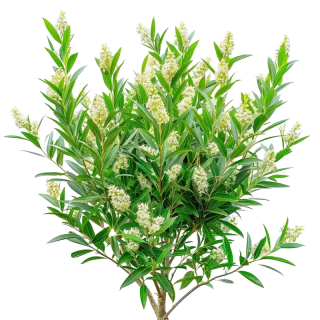
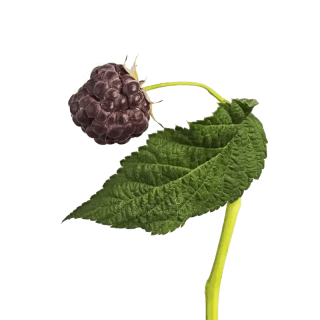
A spiny desert shrub of arid, saline soils in northwest China and Central Asia; the small round black berries are dried.شجيرة صحراوية شائكة في التُرَب القاحلة المالحة بشمال غرب الصين وآسيا الوسطى؛ تُجفَّف حبّاتها السوداء الصغيرة المدوّرة.
Parts usedالأجزاء المستخدمة
• Ripe fruit (berry)• الثمرة الناضجة (الحبّة)
Key constituentsالمكوّنات الفعّالة
• Anthocyanins (petunidin glycosides — very high)
• Polysaccharides
• Flavonoids & phenolic acids
• Carotenoids
• Vitamins & minerals• أنثوسيانينات (غليكوزيدات بيتونيدين — عالية جداً)
• سكّريات متعدّدة
• فلافونويدات وأحماض فينولية
• كاروتينويدات
• فيتامينات ومعادن
Researchالأبحاث
Black wolfberry is reviewed for its anthocyanin-driven antioxidant, anti-inflammatory, neuroprotective, vision-protective, immunomodulatory and metabolic effects, with its petunidin-type anthocyanins among the richest natural sources; reviews cover its phytochemistry, pharmacology and applications. Evidence is largely preclinical, and it is best regarded as a nutritious antioxidant food-tonic.يُراجَع الغوجي الأسود لتأثيراته المضادّة للأكسدة والالتهاب والواقية للأعصاب والبصر والمعدِّلة للمناعة والاستقلابية المدفوعة بالأنثوسيانين، وأنثوسيانيناته من نوع البيتونيدين من أغنى المصادر الطبيعية؛ وتغطّي المراجعات كيمياءه النباتية وصيدلته وتطبيقاته. والأدلة أوّلية غالباً، والأفضل عدّه غذاءً-مقوّياً مغذّياً مضاداً للأكسدة.
Published researchأبحاث منشورة
Traditional useالاستخدام التقليدي
Dried black berries eaten or steeped as a purple tea in Chinese and Central-Asian tradition to strengthen and tonify the body, 'nourish blood and kidney essence', benefit the eyes and support healthy ageing; valued as a warming/neutral desert 'super-berry' for vitality, and used to relieve tiredness and support vision and the complexion.تُؤكل الحبّات السوداء المجفّفة أو تُنقَع شاياً أرجوانياً في التقاليد الصينية والآسيوية الوسطى لتقوية الجسم و«تغذية الدم وجوهر الكلى» ونفع العين ودعم الشيخوخة الصحّية؛ تُقدَّر «حبّة خارقة» صحراوية معتدلة/مدفّئة للحيوية، وتُستعمل لتخفيف التعب ودعم البصر والبشرة.
Current useالاستخدام الحالي
An anthocyanin-rich edible 'super-berry' (black goji) with researched potent antioxidant, anti-inflammatory, neuroprotective and vision-supporting activity — a nutritious food-tonic.«حبّة خارقة» صالحة للأكل غنيّة بالأنثوسيانين (الغوجي الأسود) بنشاطٍ مدروس قويّ مضاد للأكسدة والالتهاب وواقٍ للأعصاب وداعم للبصر — غذاءٌ-مقوٍّ مغذٍّ.
Preparationsالتحضيرات
• Dried berries (eaten)
• Purple berry tea (warm-water steep)
• Extract/powder supplement• حبّات مجفّفة (تُؤكل)
• شاي الحبّة الأرجواني (نقع بماء دافئ)
• مكمّل مستخلص/مسحوق
Used for these conditionsيُستخدم لهذه الحالات
Adult dosageجرعة البالغين
A small handful of dried berries eaten, or steeped in warm (not boiling) water as tea, daily per custom; a food-tonic rather than a fixed medicinal dose.حفنة صغيرة من الحبّات المجفّفة تُؤكل، أو تُنقَع في ماء دافئ (لا مغليّ) شاياً، يومياً بحسب العُرف؛ غذاءٌ-مقوٍّ لا بجرعةٍ علاجية ثابتة.
Child dosageجرعة الأطفال
Small culinary amounts are fine for children as a food.كميات طهوية صغيرة مناسبة للأطفال غذاءً.
Cautionتحذيرات
A nutritious berry that is generally very safe as a food. As with other goji, it may theoretically add to the effect of blood-thinning (warfarin) and blood-sugar- or blood-pressure-lowering medicines — monitor if you take these. The intense purple pigment can stain; steep in warm rather than boiling water to preserve the anthocyanins. Use clean, good-quality dried fruit.حبّة مغذّية آمنة جداً عموماً غذاءً. وكغيرها من الغوجي قد تُضاف نظرياً إلى تأثير مميّعات الدم (الوارفارين) وأدوية خفض السكّر أو الضغط — يُراقَب إن استُعملت. والصباغ الأرجواني الكثيف قد يُلطّخ؛ ويُنقَع في ماء دافئ لا مغليّ حفظاً للأنثوسيانين. وتُستعمل ثمرةٌ مجفّفة نظيفة جيّدة.
Pregnancy & nursingالحمل والرضاعة
Generally eaten as a food, but as with red goji, avoid concentrated medicinal amounts in pregnancy without guidance; occasional culinary use is customary.تُؤكل عموماً غذاءً، لكن كالغوجي الأحمر تُتجنّب الكميات العلاجية المركّزة في الحمل دون إرشاد؛ والاستعمال الطهوي العَرَضي معتاد.