Introductionمقدّمة
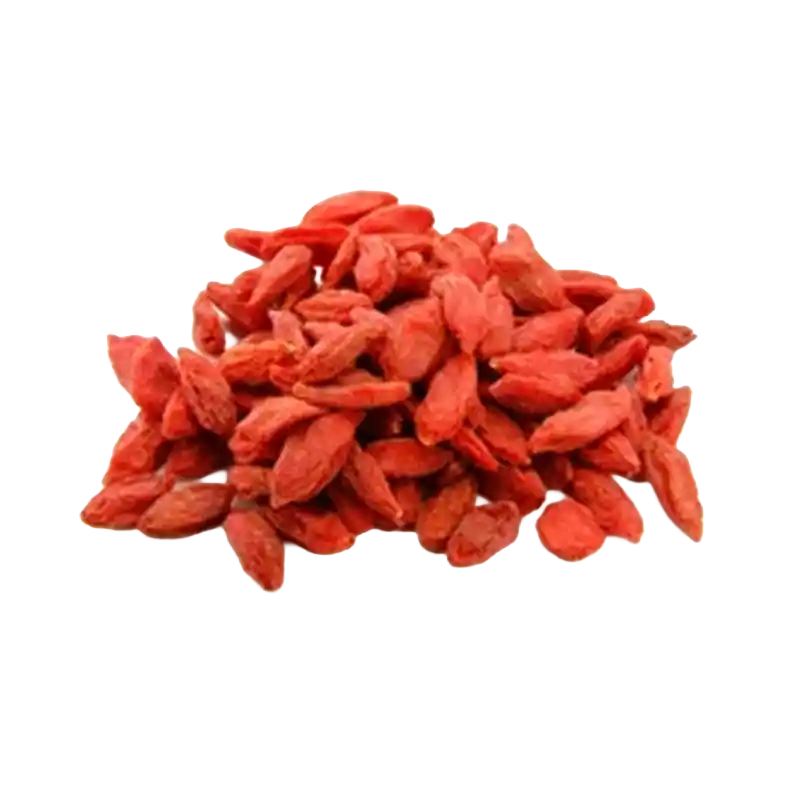
Lycium chinense — Chinese wolfberry or goji, Gouqizi — is the familiar red berry used in Chinese medicine to nourish the liver and kidneys and brighten the eyes, and popular as a superfood.الغوجي الصيني (Lycium chinense) — «قو تشي تسي» — الثمرة الحمراء المعروفة، تُستعمل في الطبّ الصيني لتغذية الكبد والكلى وتنوير العينين، وشائعة «طعاماً خارقاً».
Categoryالفئة
• Liver & kidney / eye tonic (TCM)
• Antioxidant
• Immunomodulatory
• Nutritive
• Blood-sugar-supporting• مقوٍّ للكبد والكلى / العين (طبّ صيني)
• مضاد للأكسدة
• منظِّم للمناعة
• مُغذٍّ
• داعمٌ لسكر الدم
Habitatالموطن
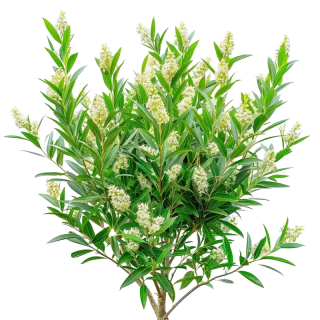
A shrub of China (close to Lycium barbarum), grown for its sweet red berries.شُجيرةٌ في الصين (قريبةٌ من Lycium barbarum)، تُزرع لثمارها الحمراء الحلوة.
Parts usedالأجزاء المستخدمة
• Fruit (berries)
• Root bark (digupi)• الثمرة (الحبّات)
• لحاء الجذر (دي غو بي)
Key constituentsالمكوّنات الفعّالة
• Polysaccharides (LBP)
• Carotenoids (zeaxanthin)
• Flavonoids
• Betaine
• Vitamins• متعدّدات السكاريد (LBP)
• كاروتينويدات (زياكسانثين)
• فلافونويدات
• بيتايين
• فيتامينات
Researchالأبحاث
Reviews and some human studies suggest goji berries support antioxidant status, immunity, eye health (via zeaxanthin) and metabolic health, with its polysaccharides as key actives. Evidence is promising but much comes from the related L. barbarum.تشير المراجعات وبعض الدراسات البشرية إلى أنّ ثمار الغوجي تدعم حالة مضادات الأكسدة والمناعة وصحّة العين (عبر الزياكسانثين) والصحّة الأيضية، ومتعدّدات سكاريدها فاعلٌ رئيس. والأدلة واعدة لكن كثيرها من L. barbarum القريب.
Traditional useالاستخدام التقليدي
Used in Chinese medicine for blurred or weak vision, dizziness, weak lower back and knees, and as a nourishing tonic; eaten as a dried fruit and in soups and teas.يُستعمل في الطبّ الصيني لتشوّش الرؤية أو ضعفها والدوار وضعف أسفل الظهر والركبتين، ومقوّياً مُغذّياً؛ ويُؤكل ثمرةً مجفّفة وفي الحساء والشاي.
Current useالاستخدام الحالي
Eaten as dried berries and used as juice, tea and extracts.يُؤكل ثماراً مجفّفة ويُستعمل عصيراً وشاياً ومستخلصات.
Preparationsالتحضيرات
Dried berries (food), Juice, Tea, Extractثمار مجفّفة (طعام)، عصير، شاي، مستخلص
Used for these conditionsيُستخدم لهذه الحالات
Adult dosageجرعة البالغين
Food amounts are common; for extracts follow the product.الكميات الغذائية شائعة؛ وللمستخلصات اتّبع الإرشاد.
Child dosageجرعة الأطفال
Food amounts are fine for children.الكميات الغذائية مقبولة للأطفال.
Cautionتحذيرات
Berries are low-risk as a food. IMPORTANT: goji can interact with the blood-thinner warfarin, increasing bleeding risk — avoid large amounts if you take warfarin or other blood-thinners, and tell your doctor. It may also lower blood sugar and blood pressure.الثمار منخفضة الخطورة كطعام. مهمّ: قد يتفاعل الغوجي مع مميّع الدم «الوارفارين» فيزيد خطر النزف — تجنّب الكميات الكبيرة إن كنت تتناول الوارفارين أو مميّعاتٍ أخرى، وأخبِر طبيبك. وقد يخفض أيضاً سكر الدم وضغطه.
Pregnancy & nursingالحمل والرضاعة
Food amounts are usually fine; the root bark (digupi) is avoided in pregnancy.الكميات الغذائية مقبولة عادةً؛ ويُتجنَّب لحاء الجذر (دي غو بي) في الحمل.