Introductionمقدّمة
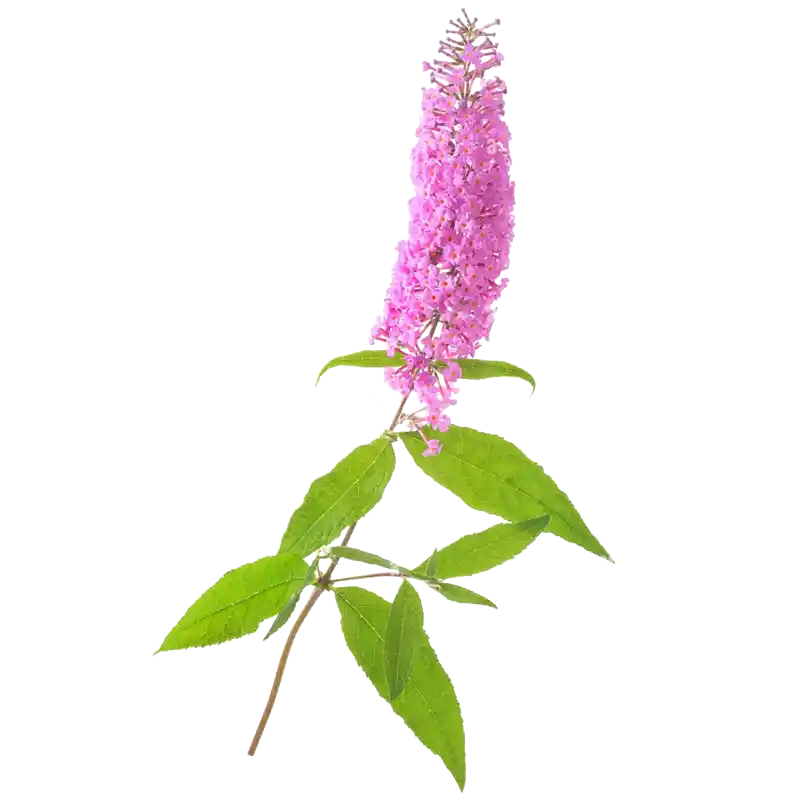
Buddleja officinalis (pale butterfly bush, 'mi meng hua') is a shrub whose flower buds are a classic Chinese OPHTHALMIC (eye) medicine, used to 'clear liver heat' and brighten the eyes — for red, sore, swollen, watery or light-sensitive eyes, blurred vision and eye conditions with 'liver heat/deficiency'. Its flavonoids (linarin, acacetin, buddlejasaponins) give documented anti-inflammatory, antioxidant and eye-protective activity.البدلجة الطبّية (Buddleja officinalis، «مي مِنغ هوا») جُنَيبة براعم زهرها دواءٌ صيني كلاسيكي للعين، يُستعمل «لتصفية حرارة الكبد» وتنوير العين — للعيون الحمراء الملتهبة المتورّمة الدامعة أو الحسّاسة للضوء وتشوّش الرؤية وحالات العين ذات «حرارة/نقص الكبد». وفلافونوياته (لينارين، أكاسيتين، بودليجاسابونينات) تمنح نشاطاً موثّقاً مضاداً للالتهاب والأكسدة وواقياً للعين.
Categoryالفئة
• Medicinal flowering shrub (Scrophulariaceae)
• 'Mi meng hua' — the eye (ophthalmic) flower
• Anti-inflammatory & antioxidant (studied)
• Liver-cooling & vision remedy; flavonoids
• Traditional red/sore eyes, vision & 'liver-heat' herb• جُنَيبة مزهرة طبّية (الفصيلة الحمحمية)
• «مي مِنغ هوا» — زهرة العين
• مضادة للالتهاب والأكسدة (مدروس)
• مبرّدة للكبد وعلاج للبصر؛ فلافونويدات
• عشبة تقليدية للعيون الحمراء/الملتهبة والبصر و«حرارة الكبد»
Habitatالموطن
A flowering shrub of southern and western China, grown/collected for its fragrant flower buds used in medicine.جُنَيبة مزهرة في جنوب وغرب الصين، تُزرَع/تُجمَع لبراعم زهرها العطرة المستعملة في الطبّ.
Parts usedالأجزاء المستخدمة
• Flower buds (main)• براعم الزهر (رئيسي)
Key constituentsالمكوّنات الفعّالة
• Flavonoids (linarin, acacetin, luteolin)
• Saponins (buddlejasaponins)
• Phenylethanoid glycosides (verbascoside)
• Iridoids
• Antioxidant compounds• فلافونويدات (لينارين، أكاسيتين، لوتيولين)
• صابونينات (بودليجاسابونينات)
• غليكوزيدات فينيل إيثانويدية (فيرباسكوسيد)
• إيريدويدات
• مركّبات مضادة للأكسدة
Researchالأبحاث
Buddleja officinalis (mi meng hua) is documented for anti-inflammatory, antioxidant and eye-protective activity, with flavonoids (linarin, acacetin) and phenylethanoid glycosides (verbascoside) among its actives, supporting its classic ophthalmic use for red, inflamed eyes and 'liver-heat' eye conditions. Evidence is chiefly preclinical, with a strong classical-TCM use base for the eyes.البدلجة الطبّية (مي مِنغ هوا) موثّقة لنشاطٍ مضاد للالتهاب والأكسدة وواقٍ للعين، والفلافونويدات (لينارين، أكاسيتين) والغليكوزيدات الفينيل إيثانويدية (فيرباسكوسيد) من مكوّناتها الفعّالة، بما يدعم استعمالها العينيّ الكلاسيكي للعيون الحمراء الملتهبة وحالات «حرارة الكبد» العينية. والأدلة أوّلية أساساً، بقاعدة استعمالٍ صيني كلاسيكي قوية للعيون.
Published researchأبحاث منشورة
Traditional useالاستخدام التقليدي
Flower-bud decoction used in Chinese medicine to 'clear liver heat' and benefit the eyes — for red, painful, swollen, watery or light-sensitive eyes, excessive tearing, blurred vision, and eye conditions from 'liver heat' or 'liver-blood/yin deficiency'; a key 'mi meng hua' ophthalmic herb, often in eye formulas and washes.يُستعمل مغلي براعم الزهر في الطبّ الصيني «لتصفية حرارة الكبد» ونفع العين — للعيون الحمراء المؤلمة المتورّمة الدامعة أو الحسّاسة للضوء وفرط الدماع وتشوّش الرؤية وحالات العين من «حرارة الكبد» أو «نقص دم/يِن الكبد»؛ عشبة «مي مِنغ هوا» عينية مفتاحية، غالباً في خلطات وغسولات العين.
Current useالاستخدام الحالي
A classic Chinese ophthalmic (eye) herb (mi meng hua) with researched anti-inflammatory, antioxidant and eye-protective activity; used for red, inflamed eyes and vision support.عشبة عينية صينية كلاسيكية (مي مِنغ هوا) بنشاطٍ مضاد للالتهاب والأكسدة وواقٍ للعين مدروس؛ تُستعمل للعيون الحمراء الملتهبة ودعم البصر.
Preparationsالتحضيرات
• Flower-bud decoction (eyes)
• In TCM eye formulas
• Eye wash (traditional)• مغلي براعم الزهر (للعين)
• في خلطات العين الصينية
• غسول عين (تقليدي)
Used for these conditionsيُستخدم لهذه الحالات
Adult dosageجرعة البالغين
Flower-bud decoction per traditional Chinese practice; in eye formulas.مغلي براعم الزهر بحسب الممارسة الصينية التقليدية؛ وفي خلطات العين.
Child dosageجرعة الأطفال
Used (in formulas) for children's eye complaints under professional guidance.يُستعمل (في الخلطات) لشكاوى عيون الأطفال بإرشاد مختصّ.
Cautionتحذيرات
Generally regarded as a gentle, low-toxicity ophthalmic herb within traditional formulas. Note that some other Buddleja species contain more toxic constituents — use the correct medicinal 'mi meng hua' (Buddleja officinalis) from reputable sources. Red, painful eyes or vision changes need proper eye-care assessment; use this as a supportive herb, not a substitute for treating serious eye conditions.تُعدّ عموماً عشبة عينية لطيفة منخفضة السمّية ضمن الخلطات التقليدية. ويُلاحَظ أنّ بعض أنواع البدلجة الأخرى تحتوي مكوّناتٍ أكثر سمّية — فتُستعمل «مي مِنغ هوا» الطبّية الصحيحة (Buddleja officinalis) من مصادر موثوقة. والعيون الحمراء المؤلمة أو تغيّرات الرؤية تحتاج تقييماً طبّياً للعين؛ ويُستعمل عشبةً داعمة لا بديلاً عن علاج حالات العين الخطيرة.
Pregnancy & nursingالحمل والرضاعة
Insufficient safety data — best avoided in medicinal amounts during pregnancy without guidance.بيانات سلامة غير كافية — الأفضل تجنّبه بكميات علاجية في الحمل دون إرشاد.