Introductionمقدّمة
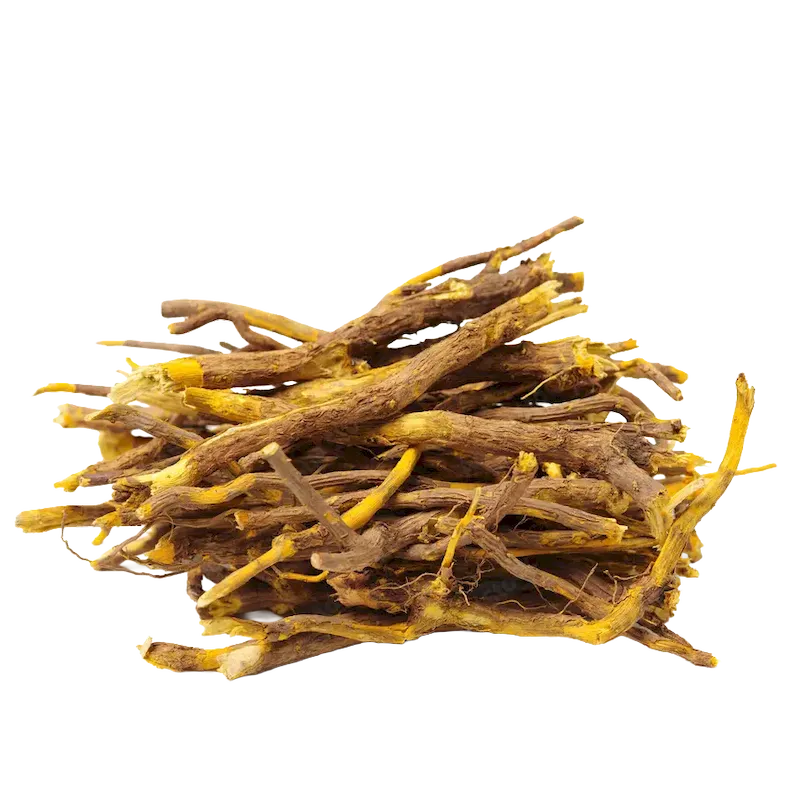
Huang Lian, scientifically known as Coptis chinensis, is a perennial herb native to China. It is recognized for its bitter roots, which have been used for centuries in traditional Chinese medicine (TCM) for their potential health benefits.نبات هوانغ ليان، المعروف علمياً باسم كوبتيس تشينينسيس، هو عشب معمر موطنه الأصلي الصين. ويشتهر بجذوره المرة، التي استُخدمت لقرون في الطب الصيني التقليدي لفوائدها الصحية المحتملة.
Categoryالفئة
• Antimicrobial (due to berberine)
• Potential anti-inflammatory
• Traditional use for digestive and fever-related conditions• مضاد للميكروبات (بفضل البربرين)
• مضاد محتمل للالتهابات
• الاستخدام التقليدي لحالات الجهاز الهضمي والحمى
Habitatالموطن
Huang Lian is native to China and can be found in various regions, often in moist, wooded areas. It is cultivated for its medicinal roots, which are harvested for their bitter taste and potential therapeutic properties. Huang Lian is a key herb in traditional Chinese medicine. نبات هوانغ ليان موطنه الأصلي الصين، ويتواجد في مناطق مختلفة، غالباً في المناطق الرطبة والمشجرة. يُزرع هذا النبات لجذوره الطبية، التي تُحصد لمذاقها المر وخصائصها العلاجية المحتملة. يُعدّ هوانغ ليان عشبة أساسية في الطب الصيني التقليدي.
Parts usedالأجزاء المستخدمة
• Roots (rhizomes) • الجذور (الريزومات)
Key constituentsالمكوّنات الفعّالة
• Berberine (primary isoquinoline protoberberine alkaloid — ~5–10% dry root; antimicrobial, anti-diabetic, cardioprotective)
• Coptisine (isoquinoline alkaloid — ~1–5%; antimicrobial, anti-inflammatory)
• Palmatine (protoberberine alkaloid — ~1–4%; antimicrobial, analgesic)
• Epiberberine (isoquinoline alkaloid — trace; antimicrobial)
• Columbamine (protoberberine alkaloid — trace; antifungal, antioxidant)
• Jatrorrhizine (protoberberine alkaloid — trace; antifungal, hypoglycemic)
• Magnoflorine (aporphine alkaloid — trace; antihypertensive, sedative)
• Worenine (isoquinoline alkaloid — trace; cytotoxic)
• Ferulic acid (phenolic acid — antioxidant, anti-inflammatory)
• Phenolic acids (chlorogenic acid, caffeic acid — antioxidant)
• Phytosterols (beta-sitosterol — anti-inflammatory)
• Minerals (calcium, iron, potassium — trace)
• Flavonoids (quercetin, kaempferol — antioxidant, anti-inflammatory)• البربرين (قلويد بروتوبربيرين إيزوكينولين أساسي - حوالي 5-10% من الجذر الجاف؛ مضاد للميكروبات، مضاد لداء السكري، واقٍ للقلب)
• الكوبتيسين (قلويد إيزوكينولين - حوالي 1-5%؛ مضاد للميكروبات، مضاد للالتهابات)
• البالماتين (قلويد بروتوبربيرين - حوالي 1-4%؛ مضاد للميكروبات، مسكن للألم)
• الإيبيبربرين (قلويد إيزوكينولين - كمية ضئيلة؛ مضاد للميكروبات)
• الكولومبامين (قلويد بروتوبربيرين - كمية ضئيلة؛ مضاد للفطريات، مضاد للأكسدة)
• الجاتروريزين (قلويد بروتوبربيرين - كمية ضئيلة؛ مضاد للفطريات، خافض لسكر الدم)
• الماغنوفلورين (قلويد أبورفين - كمية ضئيلة؛ خافض لضغط الدم، مهدئ)
• الوورنين (قلويد إيزوكينولين - كمية ضئيلة؛ سام للخلايا)
• حمض الفيروليك (حمض فينولي - مضاد للأكسدة، مضاد للالتهابات)
• فينولي الأحماض (حمض الكلوروجينيك، حمض الكافيين - مضادات الأكسدة)
• الفيتوستيرولات (بيتا سيتوستيرول - مضاد للالتهابات)
• المعادن (الكالسيوم، الحديد، البوتاسيوم - كميات ضئيلة)
• الفلافونويدات (الكيرسيتين، الكامفيرول - مضادات الأكسدة، مضادات الالتهابات)
Researchالأبحاث
Research on Huang Lian has focused on its key alkaloids, such as berberine, and their potential antimicrobial and anti-inflammatory effects. In TCM, it is traditionally used for digestive issues and fever-related conditions. ركزت الأبحاث على نبات هوانغ ليان على قلويداته الرئيسية، مثل البربرين، وتأثيراته المحتملة المضادة للميكروبات والالتهابات. في الطب الصيني التقليدي، يُستخدم هذا النبات لعلاج مشاكل الجهاز الهضمي والحالات المرتبطة بالحمى.
Published researchأبحاث منشورة
↗ Systematic review and meta-analysis of Coptis chinensis↗ Tracking evidences of Coptis chinensis for the treatment of inflammatory bowel disease from pharmacological, pharmacokinetic to clinical studies↗ Coptidis Rhizoma: a comprehensive review of its traditional uses, botany, phytochemistry, pharmacology and toxicologyTraditional useالاستخدام التقليدي
Huang Lian has a long history of use in traditional Chinese medicine, where it is employed for various health concerns, including digestive disorders and fever-related conditions. It is available in various forms, including decoctions, powders, and herbal formulas. يتمتع نبات هوانغ ليان بتاريخ طويل من الاستخدام في الطب الصيني التقليدي، حيث يُستخدم لعلاج العديد من المشاكل الصحية، بما في ذلك اضطرابات الجهاز الهضمي والحالات المرتبطة بالحمى. وهو متوفر بأشكال مختلفة، منها المغلي والمساحيق والتركيبات العشبية.
Current useالاستخدام الحالي
Huang Lian roots are commonly used in TCM preparations. It can be prepared as decoctions, powders, or incorporated into herbal formulas for various health applications. تُستخدم جذور نبات هوانغ ليان بشكل شائع في مستحضرات الطب الصيني التقليدي. ويمكن تحضيرها على شكل مغلي أو مسحوق أو إضافتها إلى تركيبات عشبية لأغراض صحية متنوعة.
Preparationsالتحضيرات
Decoction, Powderمسحوق, مغلي
Used for these conditionsيُستخدم لهذه الحالات
Adult dosageجرعة البالغين
Dosage recommendations for Huang Lian may vary based on the specific TCM formula or remedy. It is typically used in appropriate quantities for the intended purpose. Consult with a qualified TCM practitioner or healthcare provider for guidance on therapeutic dosages. قد تختلف توصيات جرعات هوانغ ليان باختلاف تركيبة الطب الصيني التقليدي أو العلاج المستخدم. ويُستخدم عادةً بكميات مناسبة للغرض المقصود. استشر طبيبًا متخصصًا في الطب الصيني التقليدي أو مقدم رعاية صحية للحصول على إرشادات بشأن الجرعات العلاجية.
Child dosageجرعة الأطفال
Dosage recommendations for Huang Lian may vary depending on the specific TCM formula or preparation. It is typically used in appropriate quantities for the intended purpose. Consult with a qualified TCM practitioner or healthcare provider for guidance on therapeutic dosages.قد تختلف توصيات جرعات هوانغ ليان تبعًا لتركيبة أو مستحضر الطب الصيني التقليدي المُستخدم. ويُستخدم عادةً بكميات مناسبة للغرض المقصود. استشر طبيبًا متخصصًا في الطب الصيني التقليدي أو مقدم رعاية صحية للحصول على إرشادات بشأن الجرعات العلاجية.
Cautionتحذيرات
Rich in berberine. Do not give to newborns or infants, or in pregnancy/breastfeeding: berberine displaces bilirubin and can cause neonatal jaundice/kernicterus. May interact with drugs metabolised by the liver (e.g., cyclosporine, via CYP3A4/P-gp) and may add to the effects of blood-sugar-lowering and blood-pressure-lowering medicines. Use only under professional supervision.غني بالبربرين. لا يُعطى لحديثي الولادة أو الرضّع، ولا أثناء الحمل والرضاعة: يزيح البربرين البيليروبين وقد يسبب اليرقان واعتلال الدماغ البيليروبيني لدى حديثي الولادة. قد يتفاعل مع الأدوية التي تُستقلب في الكبد (مثل السيكلوسبورين، عبر إنزيم CYP3A4 والبروتين السكري-P) وقد يزيد من تأثير أدوية خفض سكر الدم وضغط الدم. يُستخدم فقط تحت إشراف مختص.
Pregnancy & nursingالحمل والرضاعة
Avoid during Pregnancy/Nursingيمنع أثناء الحمل والرضاعة