Introductionمقدّمة
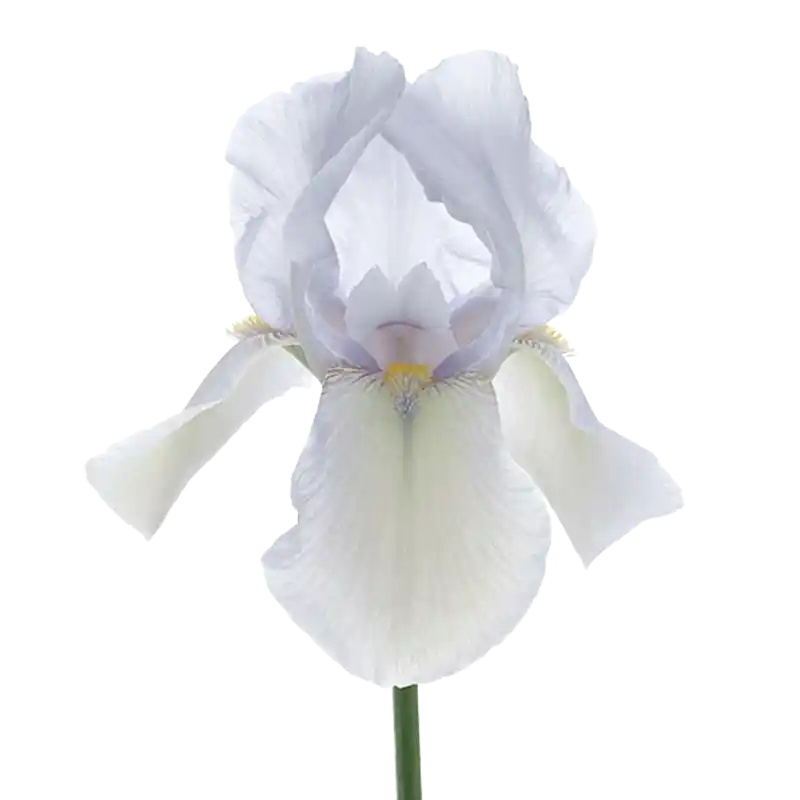
Iris florentina (Florentine iris) is the white-flowered iris that gives the finest orris root — the violet-scented rhizome most valued in perfumery. Closely related to German iris, it shares the isoflavone-rich chemistry and traditional expectorant and skin uses.السَّوسَن الفلورنسي (Iris florentina) هو السَّوسَن الأبيض الأزهار الذي يُعطي أجود جذر أوريس — الجذمور برائحة البنفسج الأثمن في العطارة. وهو قريبٌ وثيق من السَّوسَن الألماني ويشارك كيميائه الغنيّة بالآيزوفلافون واستعمالاته المُقشِّعة والجلدية التقليدية.
Categoryالفئة
• The classic orris root
• Anti-inflammatory / antioxidant
• Isoflavone-rich rhizome
• Expectorant (traditional)
• Premier perfume fixative• جذر الأوريس الكلاسيكي
• مضاد للالتهاب/الأكسدة
• جذمورٌ غنيّ بالآيزوفلافون
• مُقشِّع (تقليدي)
• مثبّت العطور الأول
Habitatالموطن
A white-to-pale-blue flowered iris of the Mediterranean, long cultivated (notably around Florence) for its fragrant rhizome.سَوسَنٌ أبيض إلى أزرق شاحب الأزهار في المتوسّط، طالما زُرِع (خاصّةً حول فلورنسا) لجذموره العطر.
Parts usedالأجزاء المستخدمة
• Rhizome (orris root)• الجذمور (جذر الأوريس)
Key constituentsالمكوّنات الفعّالة
• Isoflavones (irigenin, irisflorentin)
• Irones (violet-scent ketones)
• Triterpenes
• Flavonoids
• Starch• آيزوفلافونات (إيريجينين، إيريسفلورنتين)
• إيرونات (كيتونات رائحة البنفسج)
• تريتربينات
• فلافونويدات
• نشا
Researchالأبحاث
Like Iris germanica, Florentine iris rhizome is rich in bioactive isoflavones and irones and shows antioxidant, anti-inflammatory and antimicrobial activity in studies of the genus; its dried, aged root is the classic 'orris' of perfumery and traditional medicine. Species-specific clinical data are limited.كالسَّوسَن الألماني، جذمور السَّوسَن الفلورنسي غنيٌّ بالآيزوفلافونات والإيرونات الفعّالة ويُظهِر نشاطاً مضاداً للأكسدة والالتهاب والميكروبات في دراسات الجنس؛ وجذره المجفّف المُعتَّق هو «الأوريس» الكلاسيكي في العطارة والطبّ التقليدي. والبيانات السريرية الخاصّة بالنوع محدودة.
Published researchأبحاث منشورة
Traditional useالاستخدام التقليدي
Orris root was used as an expectorant for coughs and chest complaints, a diuretic, and for the skin and mouth, and above all as the premier fixative and violet note in perfume and a flavouring in gin and confectionery.استُعمل جذر الأوريس مُقشِّعاً للسعال وشكاوى الصدر، ومُدرّاً، وللجلد والفم، وقبل كلّ شيء مثبّتاً أول ونَفَحة بنفسج في العطور ومُنكِّهاً في الجِن والحلويات.
Current useالاستخدام الحالي
Chiefly a high-value perfumery and flavour ingredient (orris butter); the rhizome is also of phytochemical interest.أساساً مكوّنٌ عطريّ ومُنكِّه عالي القيمة (زبدة الأوريس)؛ والجذمور ذو أهمية كيميائية أيضاً.
Preparationsالتحضيرات
Dried rhizome (aged), Perfume/flavour (orris), Traditional expectorantجذمور مجفّف (مُعتَّق)، عطر/مُنكِّه (أوريس)، مُقشِّع تقليدي
Used for these conditionsيُستخدم لهذه الحالات
Adult dosageجرعة البالغين
Small amounts of dried, aged rhizome per traditional practice; used mainly as a fragrance.كميات صغيرة من الجذمور المجفّف المُعتَّق بحسب الممارسة التقليدية؛ يُستعمل عطراً أساساً.
Child dosageجرعة الأطفال
Avoid medicinal use in children; the old teething-root use is not recommended (choking risk).يُتجنَّب الاستعمال الدوائي للأطفال؛ ولا يُنصَح باستعمال جذر التسنين القديم (خطر الاختناق).
Cautionتحذيرات
As with German iris, the FRESH rhizome is acrid and can cause nausea, vomiting and diarrhoea — only the dried, aged root is used, in small amounts. Possible skin irritation/allergy. Do not confuse iris rhizomes with edible roots.كالسَّوسَن الألماني، الجذمور الطازج لاذعٌ وقد يسبّب غثياناً وقيئاً وإسهالاً — ولا يُستعمل إلا الجذر المجفّف المُعتَّق بكميات صغيرة. وقد يُهيّج الجلد/يُحسِّسه. ولا تخلط جذاميرَ السَّوسَن بالجذور الصالحة للأكل.
Pregnancy & nursingالحمل والرضاعة
Avoid medicinal doses in pregnancy — not established as safe.تُتجنَّب الجرعات الدوائية في الحمل — غير مثبتة الأمان.