Introductionمقدّمة
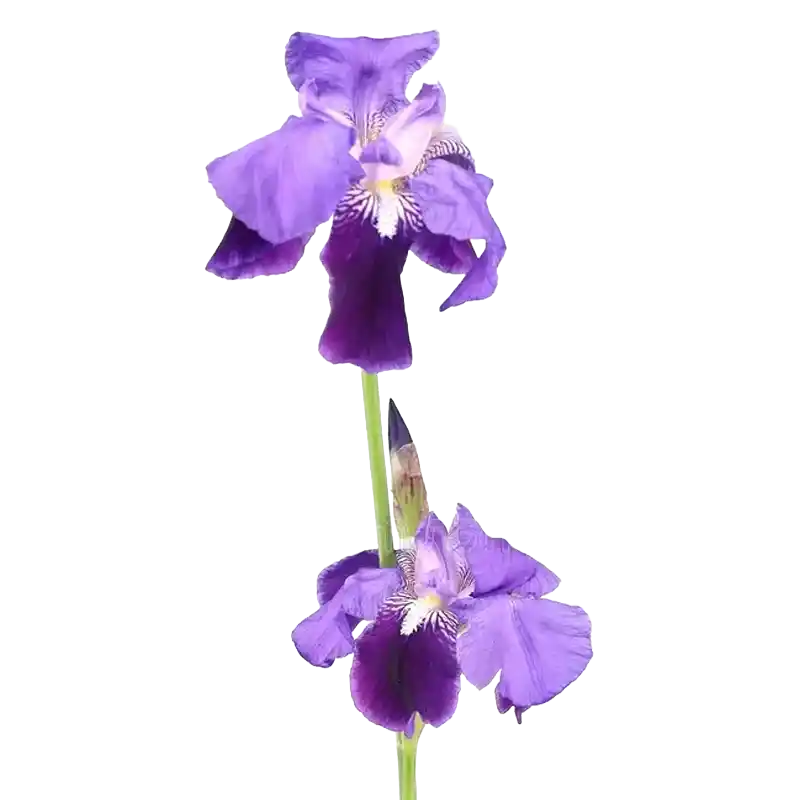
Iris germanica (German iris) yields orris root, a violet-scented rhizome prized in perfumery and used in traditional medicine as an expectorant and for the skin. It is rich in isoflavones and shows anti-inflammatory and antioxidant activity.السَّوسَن الألماني (Iris germanica) يُنتج جذر الأوريس، جذموراً برائحة البنفسج ثميناً في العطارة يُستعمل في الطبّ التقليدي مُقشِّعاً وللجلد. وهو غنيّ بالآيزوفلافونات ويُظهِر نشاطاً مضاداً للالتهاب والأكسدة.
Categoryالفئة
• Orris root — perfume & medicine
• Anti-inflammatory / antioxidant
• Isoflavone-rich rhizome
• Expectorant (traditional)
• Fragrance fixative• جذر الأوريس — عطرٌ ودواء
• مضاد للالتهاب/الأكسدة
• جذمورٌ غنيّ بالآيزوفلافون
• مُقشِّع (تقليدي)
• مثبّت عطور
Habitatالموطن
A widely-grown ornamental iris with large purple flowers and thick rhizomes, of gardens and dry slopes across the Mediterranean and West Asia.سَوسَنٌ زينة واسع الزراعة بأزهارٍ أرجوانية كبيرة وجذاميرَ سميكة، في الحدائق والسفوح الجافّة عبر المتوسّط وغرب آسيا.
Parts usedالأجزاء المستخدمة
• Rhizome (orris root)• الجذمور (جذر الأوريس)
Key constituentsالمكوّنات الفعّالة
• Isoflavones (irigenin, iridin)
• Irones (violet-scent ketones)
• Triterpenes
• Xanthones
• Flavonoids• آيزوفلافونات (إيريجينين، إيريدين)
• إيرونات (كيتونات رائحة البنفسج)
• تريتربينات
• زانثونات
• فلافونويدات
Researchالأبحاث
Iris germanica rhizome is a well-documented source of bioactive isoflavones (irigenin, iridin) with antioxidant, anti-inflammatory and cytotoxic-screening activity, and reviews describe its traditional expectorant, diuretic and skin uses alongside its famous perfumery role. Human clinical data are limited.جذمور السَّوسَن الألماني مصدرٌ موثّق لآيزوفلافوناتٍ فعّالة (إيريجينين، إيريدين) ذات نشاطٍ مضاد للأكسدة والالتهاب وفي فحص السرطان، وتصف المراجعات استعمالاته المُقشِّعة والمُدرّة والجلدية التقليدية إلى جانب دوره العطري الشهير. والبيانات السريرية البشرية محدودة.
Published researchأبحاث منشورة
Traditional useالاستخدام التقليدي
Orris root was used as an expectorant for coughs and bronchitis, a diuretic, a remedy for the skin and gums, and a teething aid for babies (peeled root); above all it is a classic perfume fixative and flavouring.استُعمل جذر الأوريس مُقشِّعاً للسعال والتهاب القصبات، ومُدرّاً، ودواءً للجلد واللثة، ومُعيناً على التسنين للرُّضّع (الجذر المقشور)؛ وهو قبل كلّ شيء مثبّت عطورٍ ومُنكِّه كلاسيكي.
Current useالاستخدام الحالي
Chiefly used as a perfumery/flavour ingredient (orris); the rhizome is also studied for its isoflavones.يُستعمل أساساً مكوّناً عطرياً/مُنكِّهاً (أوريس)؛ ويُدرَس الجذمور أيضاً لآيزوفلافوناته.
Preparationsالتحضيرات
Dried rhizome (aged), Perfume/flavour, Traditional expectorantجذمور مجفّف (مُعتَّق)، عطر/مُنكِّه، مُقشِّع تقليدي
Used for these conditionsيُستخدم لهذه الحالات
Adult dosageجرعة البالغين
Small amounts of dried rhizome per traditional practice; mainly used as a fragrance, not a high-dose medicine.كميات صغيرة من الجذمور المجفّف بحسب الممارسة التقليدية؛ يُستعمل عطراً أساساً لا دواءً عالي الجرعة.
Child dosageجرعة الأطفال
The old teething-root use is not recommended (choking risk); avoid medicinal use in children.لا يُنصَح باستعمال جذر التسنين القديم (خطر الاختناق)؛ ويُتجنَّب الاستعمال الدوائي للأطفال.
Cautionتحذيرات
The FRESH rhizome is acrid and can cause nausea, vomiting and diarrhoea — only the dried, aged root is used, and even that in small amounts. It can irritate skin (rare allergy in perfume workers). Do not confuse iris rhizomes with edible roots.الجذمور الطازج لاذعٌ وقد يسبّب غثياناً وقيئاً وإسهالاً — ولا يُستعمل إلا الجذر المجفّف المُعتَّق، وحتى ذلك بكميات صغيرة. وقد يُهيّج الجلد (تحسّس نادر لدى عمّال العطور). ولا تخلط جذاميرَ السَّوسَن بالجذور الصالحة للأكل.
Pregnancy & nursingالحمل والرضاعة
Avoid medicinal doses in pregnancy — not established as safe.تُتجنَّب الجرعات الدوائية في الحمل — غير مثبتة الأمان.