Introductionمقدّمة
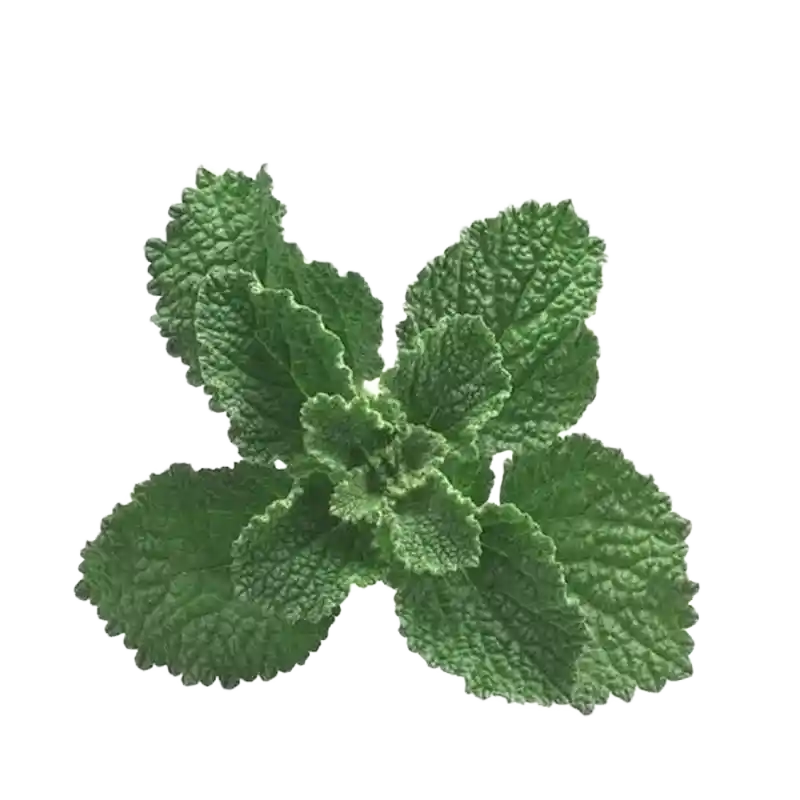
Marrubium alysson — a horehound species — is a bitter mint-family herb used in Middle-Eastern and Mediterranean folk medicine like white horehound: for coughs and chest complaints, digestion, and as a bitter tonic.الفراسيون (Marrubium alysson) — نوعٌ من الفراسيون — عشبةٌ مُرّة من الفصيلة الشفوية تُستعمل في الطبّ الشعبي الشرق أوسطيّ والمتوسّطي كالفراسيون الأبيض: للسعال وشكاوى الصدر والهضم ومقوّياً مُرّاً.
Categoryالفئة
• Cough / expectorant (traditional)
• Digestive / bitter tonic
• Anti-inflammatory
• Antioxidant
• Antimicrobial• سعال / مُقشِّع (تقليدي)
• هاضم / مقوٍّ مُرّ
• مضاد للالتهاب
• مضاد للأكسدة
• مضاد للميكروبات
Habitatالموطن
A low hairy herb of dry ground in the Mediterranean and Middle East.عشبةٌ منخفضة مزغّبة في الأراضي الجافّة بحوض المتوسط والشرق الأوسط.
Parts usedالأجزاء المستخدمة
• Aerial parts (leaves & flowering tops)• الأجزاء الهوائية (الأوراق والقمم المُزهرة)
Key constituentsالمكوّنات الفعّالة
• Diterpene marrubiin
• Flavonoids
• Phenylpropanoids
• Essential oil
• Tannins• ثنائي التربين ماروبيين
• فلافونويدات
• فينيل بروبانويدات
• زيتٌ طيّار
• عفص
Researchالأبحاث
Research on horehound (mainly Marrubium vulgare, with M. alysson used similarly) confirms expectorant, digestive, anti-inflammatory, antioxidant, blood-sugar-lowering and antimicrobial effects, largely from marrubiin — supporting its cough and digestive uses. Species-specific human data are limited.تؤكّد أبحاث الفراسيون (غالباً Marrubium vulgare، ويُستعمل M. alysson بالمثل) تأثيراتٍ مُقشِّعة وهاضمة ومضادة للالتهاب والأكسدة وخافضة لسكر الدم ومضادة للميكروبات، غالباً من «الماروبيين» — بما يدعم استعمالاته للسعال والهضم. والبيانات البشرية الخاصّة بالنوع محدودة.
Published researchأبحاث منشورة
↗ Marrubium vulgare L. — a phytochemical and pharmacological overviewTraditional useالاستخدام التقليدي
Used in Middle-Eastern/Mediterranean folk medicine for coughs, bronchitis and chest congestion, poor digestion and appetite, and (as a bitter) for the liver and blood sugar.يُستعمل في الطبّ الشعبي الشرق أوسطيّ/المتوسّطي للسعال والتهاب القصبات واحتقان الصدر وضعف الهضم والشهية، و(مُرّاً) للكبد وسكر الدم.
Current useالاستخدام الحالي
Used as leaf tea/infusion, syrup (cough), and extracts; a classic cough-and-bitters herb.يُستعمل شاي/نقيع أوراق وشراباً (للسعال) ومستخلصات؛ وعشبةُ سعالٍ ومُرٍّ كلاسيكية.
Preparationsالتحضيرات
Leaf tea/infusion, Cough syrup, Extractشاي/نقيع الأوراق، شراب السعال، مستخلص
Used for these conditionsيُستخدم لهذه الحالات
Adult dosageجرعة البالغين
Tea amounts are common; therapeutic use per practitioner.كميات الشاي شائعة؛ والاستعمال العلاجي بحسب المختصّ.
Child dosageجرعة الأطفال
Use tea amounts under guidance.تُستعمل كميات الشاي بإشراف.
Cautionتحذيرات
Generally low-risk as a tea. Avoid therapeutic doses in pregnancy (traditional emmenagogue). It may lower blood sugar and, in large amounts, blood pressure and heart rhythm — take care with the related medicines. Very bitter; large doses can upset the stomach.منخفض الخطورة كشاي عموماً. وتُتجنَّب الجرعات العلاجية في الحمل (مُدرٌّ للطمث تقليدياً). وقد يخفض سكر الدم، وبالكميات الكبيرة ضغط الدم ونظم القلب — انتبه مع الأدوية المماثلة. وهو شديد المرارة؛ والجرعات الكبيرة قد تُزعج المعدة.
Pregnancy & nursingالحمل والرضاعة
Avoid therapeutic doses in pregnancy — horehound is traditionally regarded as an emmenagogue and possible uterine stimulant.تُتجنَّب الجرعات العلاجية في الحمل — يُعدّ الفراسيون تقليدياً مُدرّاً للطمث ومنشّطاً محتملاً للرحم.