Introductionمقدّمة
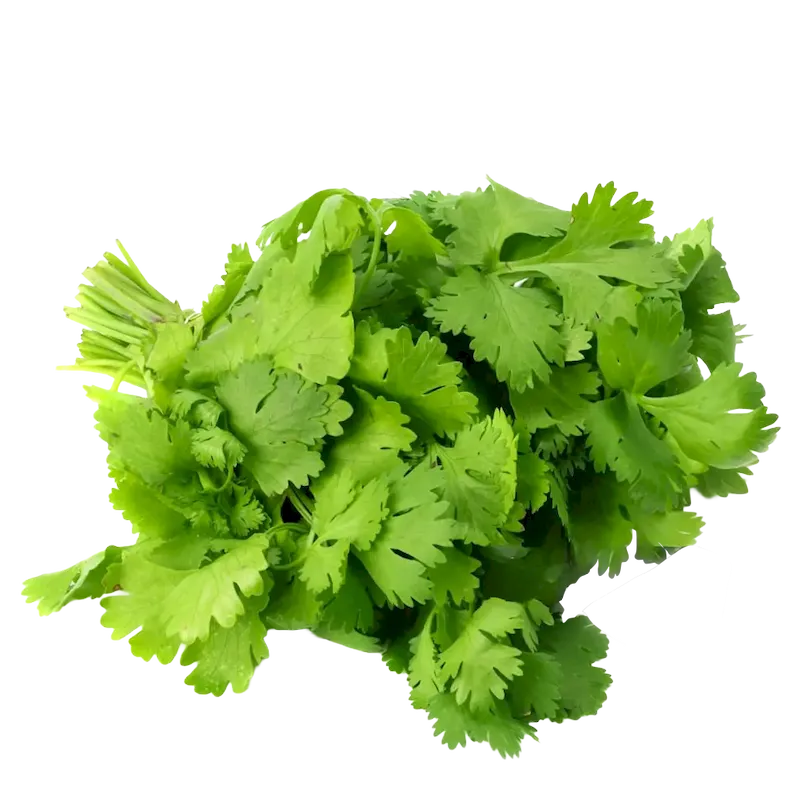
Coriander, scientifically known as Coriandrum sativum, is an annual herb native to regions in Southern Europe, Northern Africa, and Western Asia. It is recognized for its aromatic seeds and leaves, which are commonly used in culinary and traditional medicine practices.الكزبرة، واسمها العلمي Coriandrum sativum، هي عشبة حولية موطنها الأصلي مناطق في جنوب أوروبا وشمال أفريقيا وغرب آسيا. وتُعرف ببذورها وأوراقها العطرية، والتي تُستخدم على نطاق واسع في الطهي وممارسات الطب التقليدي.
Categoryالفئة
• Digestive aid
• Antioxidant
• Potential anti-inflammatory• مُساعد للهضم
• مُضاد للأكسدة
• مُضاد للالتهابات
Habitatالموطن
Coriander can be found in various regions around the world and is easily cultivated. It prefers well-drained soil and is commonly grown for its leaves and seeds. Both the seeds and leaves of the Coriander plant are known for their culinary and potential medicinal uses. يُمكن العثور على الكزبرة في مناطق مختلفة حول العالم، وهي سهلة الزراعة. تُفضل التربة جيدة التصريف، وتُزرع عادةً لأوراقها وبذورها. تُعرف كل من بذور وأوراق نبات الكزبرة بفوائدها في الطهي واستخداماتها الطبية المحتملة.
Parts usedالأجزاء المستخدمة
• Seeds
• Leaves• البذور
• الأوراق
Key constituentsالمكوّنات الفعّالة
• Linalool (primary monoterpene alcohol — up to 80% of leaf essential oil; antimicrobial, calming)
• Geranyl acetate (ester — up to 40% in seed essential oil; antifungal, aromatic)
• Gamma-terpinene (monoterpene — antioxidant, antimicrobial)
• Alpha-pinene (monoterpene — anti-inflammatory, antimicrobial)
• Camphor (monoterpene ketone — analgesic, antispasmodic)
• Coriandrin (coumarin derivative — antispasmodic, anti-inflammatory)
• Isocoriandrin (dihydroisocoumarin derivative — trace)
• Decanal (aldehyde — primary aromatic compound in seed oil)
• Flavonoids (quercetin, rutin, isorhamnetin, luteolin — antioxidant, anti-inflammatory)
• Phenolic acids (caffeic acid, chlorogenic acid — antioxidant, hepatoprotective)
• Petroselinic acid (omega-18:1 fatty acid — dominant in seed oil ~70%; anti-inflammatory)
• Linoleic acid (omega-6 fatty acid — seed oil ~13%; essential fatty acid)
• Phytosterols (beta-sitosterol, campesterol — cholesterol-lowering)
• Terpinen-4-ol (monoterpene alcohol — antimicrobial, anti-inflammatory)
• Vitamins (vitamin C, vitamin K — significant in fresh leaves; B vitamins)
• Minerals (potassium, calcium, magnesium, iron, manganese — nutritive)• لينالول (كحول أحادي التربين أساسي - يصل إلى 80% من الزيت العطري للأوراق؛ مضاد للميكروبات، مهدئ)
• أسيتات جيرانيل (إستر - يصل إلى 40% في الزيت العطري للبذور؛ مضاد للفطريات، عطري)
• جاما-تربينين (أحادي التربين - مضاد للأكسدة، مضاد للميكروبات)
• ألفا-بينين (أحادي التربين - مضاد للالتهابات، مضاد للميكروبات)
• كافور (كيتون أحادي التربين - مسكن للألم، مضاد للتشنج)
• كورياندرين (مشتق الكومارين - مضاد للتشنج، مضاد للالتهابات)
• إيزوكورياندرين (مشتق ثنائي هيدروإيزوكومارين - كمية ضئيلة)
• ديكانال (ألديهيد - مركب عطري أساسي في زيت البذور)
• فلافونويدات (كيرسيتين، روتين، إيزورامنيتين، لوتولين - مضاد للأكسدة، مضاد للالتهابات)
• أحماض فينولية (حمض الكافيين، حمض الكلوروجينيك - مضاد للأكسدة، واقٍ للكبد)
• حمض بيتروسيلينيك (أحماض أوميغا 18:1 الدهنية - سائدة في زيت البذور بنسبة 70% تقريبًا؛ مضادة للالتهابات)
• حمض اللينوليك (أحماض أوميغا 6 الدهنية - زيت البذور بنسبة 13% تقريبًا؛ حمض دهني أساسي)
• فيتوستيرولات (بيتا سيتوستيرول، كامبيستيرول - خافضة للكوليسترول)
• تربينين-4-أول (كحول أحادي التربين - مضاد للميكروبات، مضاد للالتهابات)
• فيتامينات (فيتامين ج، فيتامين ك - موجودة بكثرة في الأوراق الطازجة؛ فيتامينات ب)
• معادن (بوتاسيوم، كالسيوم، مغنيسيوم، حديد، منغنيز - مغذية)
Researchالأبحاث
Research on Coriander has explored its chemical constituents, including linalool and coriandrin, and their potential digestive, antioxidant, and anti-inflammatory effects. It is widely used in culinary traditions and herbal remedies. استكشفت الأبحاث التي أُجريت على الكزبرة مكوناتها الكيميائية، بما في ذلك اللينالول والكورياندرين، وتأثيراتها المحتملة على الهضم ومضادات الأكسدة والالتهابات. وهي تُستخدم على نطاق واسع في التقاليد الغذائية والعلاجات العشبية.
Traditional useالاستخدام التقليدي
Coriander has a long history of use in culinary traditions around the world, where its leaves and seeds are used to flavor a variety of dishes. It is also employed in traditional medicine for digestive support and other health applications. للكزبرة تاريخ طويل من الاستخدام في تقاليد الطهي حول العالم، حيث تُستخدم أوراقها وبذورها لإضفاء نكهة مميزة على أطباق متنوعة. كما تُستخدم في الطب التقليدي لدعم صحة الجهاز الهضمي ولأغراض صحية أخرى.
Current useالاستخدام الحالي
Coriander seeds and leaves can be used in culinary preparations and herbal remedies. They can be ground into spice blends, used in teas, or incorporated into traditional remedies for digestive support. يمكن استخدام بذور وأوراق الكزبرة في تحضير الطعام والعلاجات العشبية. ويمكن طحنها لإضافتها إلى خلطات التوابل، أو استخدامها في الشاي، أو دمجها في العلاجات التقليدية لدعم صحة الجهاز الهضمي.
Preparationsالتحضيرات
Culinary, Tea, Whole (Fresh/Dried)شاي, طهي, كامل (طازج/مجفف)
Used for these conditionsيُستخدم لهذه الحالات
Adult dosageجرعة البالغين
Dosage recommendations for Coriander seeds or leaves in culinary applications may vary based on individual preferences and recipes. It is generally used in quantities that suit the specific dish or preparation. For medicinal use, consult with a qualified herbalist or healthcare provider for guidance on therapeutic dosages. قد تختلف توصيات جرعات بذور أو أوراق الكزبرة في الطهي بناءً على التفضيلات الشخصية والوصفات. ويُستخدم عمومًا بكميات تناسب الطبق أو طريقة التحضير. أما للاستخدامات الطبية، فيُرجى استشارة أخصائي أعشاب مؤهل أو مقدم رعاية صحية للحصول على إرشادات بشأن الجرعات العلاجية.
Child dosageجرعة الأطفال
Dosage recommendations for Coriander seeds or leaves may vary depending on the intended culinary or medicinal use. It is typically used in appropriate quantities for flavoring dishes or preparing herbal remedies. Consult with a qualified herbalist or healthcare provider for guidance on therapeutic dosages.قد تختلف الجرعات الموصى بها لبذور أو أوراق الكزبرة تبعًا للاستخدام المقصود، سواءً كان طهيًا أو علاجًا. تُستخدم عادةً بكميات مناسبة لإضفاء نكهة على الأطباق أو لتحضير العلاجات العشبية. استشر أخصائي أعشاب مؤهلًا أو مقدم رعاية صحية للحصول على إرشادات حول الجرعات العلاجية.
Cautionتحذيرات
Coriander is considered safe when used in culinary quantities. However, some individuals may be sensitive or allergic to Coriander. If you have known allergies or sensitivities, use with caution. Pregnant or breastfeeding individuals should consult with a healthcare provider before using Coriander supplements in medicinal quantities. يُعتبر الكزبرة آمناً عند استخدامه بكميات معتدلة في الطهي. مع ذلك، قد يُعاني بعض الأشخاص من حساسية تجاه الكزبرة. لذا، يُنصح باستخدامه بحذر في حال وجود حساسية معروفة. كما يُنصح الحوامل والمرضعات باستشارة الطبيب قبل استخدام مكملات الكزبرة بكميات علاجية.
Pregnancy & nursingالحمل والرضاعة
Culinary amounts are considered safe in pregnancy and breastfeeding. Avoid concentrated coriander seed extracts or essential oil in high medicinal doses during pregnancy/nursing unless advised by a healthcare provider.تُعتبر الكميات المستخدمة في الطهي آمنة أثناء الحمل والرضاعة. يُتجنّب استخدام المستخلصات المركزة لبذور الكزبرة أو زيتها العطري بجرعات علاجية عالية أثناء الحمل والرضاعة إلا بمشورة مختص رعاية صحية.