
Introductionمقدّمة
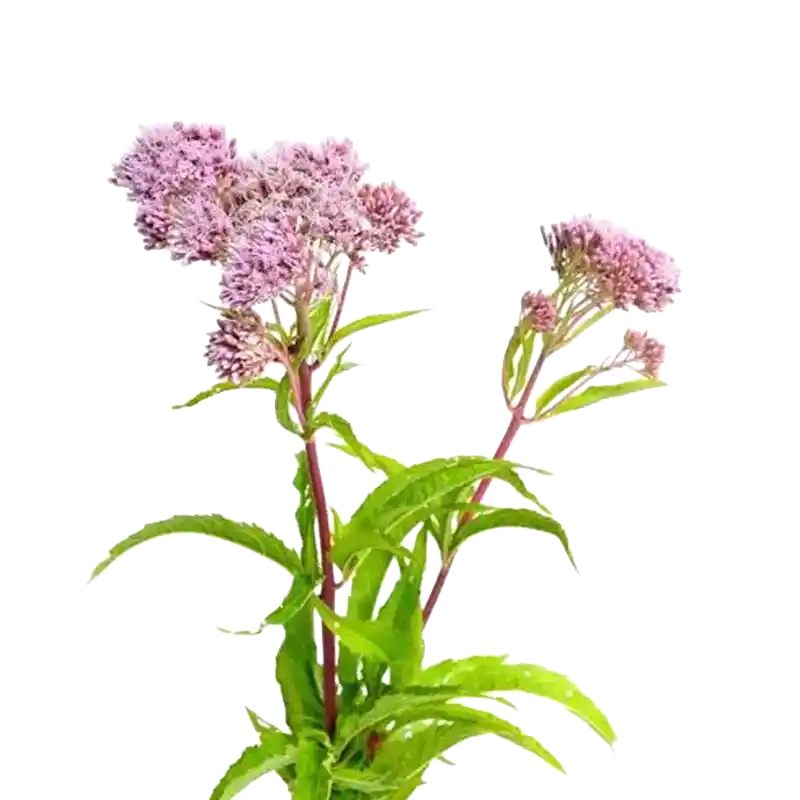
Eupatorium fortunei ('pei lan') is an aromatic herb used in Chinese medicine to 'transform dampness and release the exterior' — for summertime 'damp' conditions with a heavy, greasy, sweet or sticky sensation in the mouth, poor appetite, nausea, abdominal fullness, and bad breath, and for summer-heat colds. Its essential oil shows antimicrobial, anti-inflammatory and antioxidant activity. ⚠️ Some Eupatorium species contain pyrrolizidine alkaloids, so quality-sourced, modest use is advised.شيح الغار العطر (Eupatorium fortunei، «بي لان») عشبةٌ عطرية تُستعمل في الطبّ الصيني «لتحويل الرطوبة وإطلاق الخارج» — لحالات «الرطوبة» الصيفية بإحساسٍ ثقيل دهنيّ حلو أو لزج في الفم وضعف الشهية والغثيان وامتلاء البطن ورائحة الفم، ولزكام حرّ الصيف. وزيتها الطيّار يُظهِر نشاطاً مضاداً للميكروبات والالتهاب والأكسدة. ⚠️ وبعض أنواع الأوباتوريوم تحتوي قلويدات بيروليزيدين، فيُنصَح باستعمالٍ معتدل من مصدرٍ جيّد.
Categoryالفئة
• Aromatic damp-transforming herb (Asteraceae)
• 'Pei lan' — the sweet-mouth, damp-clearing summer herb
• Antimicrobial, anti-inflammatory & antioxidant (studied)
• Aromatic; appetite & digestion
• Traditional 'damp'-clearing, summer, appetite & bad-breath herb
• ⚠️ Genus may contain pyrrolizidine alkaloids — caution• عشبة عطرية مُحوِّلة للرطوبة (الفصيلة النجمية)
• «بي لان» — عشبة الفم الحلو المصفّية للرطوبة الصيفية
• مضادة للميكروبات والالتهاب والأكسدة (مدروس)
• عطرية؛ للشهية والهضم
• عشبة تقليدية مصفّية «للرطوبة» وللصيف والشهية ورائحة الفم
• ⚠️ قد يحتوي الجنس قلويدات بيروليزيدين — حذر
Habitatالموطن
An aromatic perennial of damp meadows and stream banks in China and East Asia, grown/collected for its fragrant aerial parts.معمّرة عطرية في المروج الرطبة وضفاف الجداول بالصين وشرق آسيا، تُزرَع/تُجمَع لأجزائها الهوائية العطرة.
Parts usedالأجزاء المستخدمة
• Aerial parts (main)• الأجزاء الهوائية (رئيسي)
Key constituentsالمكوّنات الفعّالة
• Essential oil (p-cymene, neryl acetate, terpenes)
• Flavonoids & phenolics
• Sesquiterpene lactones
• Pyrrolizidine alkaloids (possible — genus)
• Antioxidant compounds• زيت طيّار (بارا-سيمين، أسيتات النيريل، تربينات)
• فلافونويدات وفينولات
• لاكتونات سيسكويتربينية
• قلويدات بيروليزيدين (محتملة — الجنس)
• مركّبات مضادة للأكسدة
Researchالأبحاث
Eupatorium fortunei (pei lan) is documented for antimicrobial, antiviral, anti-inflammatory and antioxidant activity, mainly from its essential oil, supporting its traditional 'damp-transforming', digestive and summer-heat uses. Evidence is chiefly on its oil and extracts; note that the Eupatorium genus can contain pyrrolizidine alkaloids, a recognised safety consideration for internal use.شيح الغار العطر (بي لان) موثّقٌ لنشاطٍ مضاد للميكروبات والفيروسات والالتهاب والأكسدة، غالباً من زيته الطيّار، بما يدعم استعمالاته «المُحوِّلة للرطوبة» والهاضمة وحرّ الصيف التقليدية. والأدلة أساساً على زيته ومستخلصاته؛ ويُلاحَظ أنّ جنس الأوباتوريوم قد يحتوي قلويدات بيروليزيدين، وهو اعتبارُ سلامةٍ معروف للاستعمال الداخلي.
Published researchأبحاث منشورة
Traditional useالاستخدام التقليدي
Aromatic aerial parts decocted in Chinese medicine to 'transform dampness, arouse the spleen and release the exterior' — for a heavy, greasy, sweet or sticky feeling in the mouth (a classic sign of 'damp'), poor appetite, nausea, abdominal fullness, and bad breath, and for summer-heat/damp colds and headaches; a fragrant 'pei lan' summer and digestive herb.تُغلى الأجزاء الهوائية العطرة في الطبّ الصيني «لتحويل الرطوبة وإيقاظ الطحال وإطلاق الخارج» — للإحساس الثقيل الدهنيّ الحلو أو اللزج في الفم (علامة كلاسيكية «للرطوبة») وضعف الشهية والغثيان وامتلاء البطن ورائحة الفم، ولزكام وصداع حرّ/رطوبة الصيف؛ عشبة «بي لان» صيفية وهاضمة عطرة.
Current useالاستخدام الحالي
A traditional Chinese aromatic 'damp-transforming', digestive and summer-heat herb (pei lan) with researched antimicrobial and anti-inflammatory activity; used in modest, quality-sourced amounts.عشبة صينية عطرية تقليدية «مُحوِّلة للرطوبة» وهاضمة وحرّ الصيف (بي لان) بنشاطٍ مضاد للميكروبات والالتهاب مدروس؛ تُستعمل بكميات معتدلة من مصدرٍ جيّد.
Preparationsالتحضيرات
• Aerial-part decoction (pei lan)
• In summer/damp digestive formulas
• Essential oil (dilute)• مغلي الأجزاء الهوائية (بي لان)
• في خلطات هضمية للصيف/الرطوبة
• زيت طيّار (مخفّف)
Used for these conditionsيُستخدم لهذه الحالات
Adult dosageجرعة البالغين
Aerial-part decoction in modest traditional amounts per Chinese practice (added late to preserve aroma); in digestive/summer formulas.مغلي الأجزاء الهوائية بكميات تقليدية معتدلة بحسب الممارسة الصينية (يُضاف أواخر المغلي حفظاً للعبق)؛ وفي خلطات الهضم/الصيف.
Child dosageجرعة الأطفال
Used (in formulas) for children's summer digestive complaints under professional guidance.يُستعمل (في الخلطات) لشكاوى هضم الصيف لدى الأطفال بإرشاد مختصّ.
Cautionتحذيرات
⚠️ The Eupatorium genus can contain pyrrolizidine alkaloids, which are hepatotoxic with heavy/prolonged internal use — so use only quality-sourced, correctly identified 'pei lan', in modest amounts and not long-term, and avoid in pregnancy, breastfeeding and liver disease. As an Asteraceae plant it may cause allergy in daisy-family-sensitive people. Its concentrated essential oil should be diluted.⚠️ جنس الأوباتوريوم قد يحتوي قلويدات بيروليزيدين سامّة للكبد مع الاستعمال الداخلي الكثيف/المطوّل — فيُستعمل فقط «بي لان» من مصدرٍ جيّد محدّد صحيحاً، بكميات معتدلة ولا طويلاً، ويُتجنّب في الحمل والرضاعة ومرض الكبد. وكنبات نجميّ قد يُسبّب حساسية لدى الحسّاسين للفصيلة النجمية. ويُخفَّف زيته الطيّار المركّز.
Pregnancy & nursingالحمل والرضاعة
⚠️ Best avoided in medicinal amounts during pregnancy (insufficient safety data; possible pyrrolizidine-alkaloid content in the genus).⚠️ الأفضل تجنّبه بكميات علاجية في الحمل (بيانات سلامة غير كافية؛ ومحتوى قلويدات بيروليزيدين محتمل في الجنس).


