Introductionمقدّمة
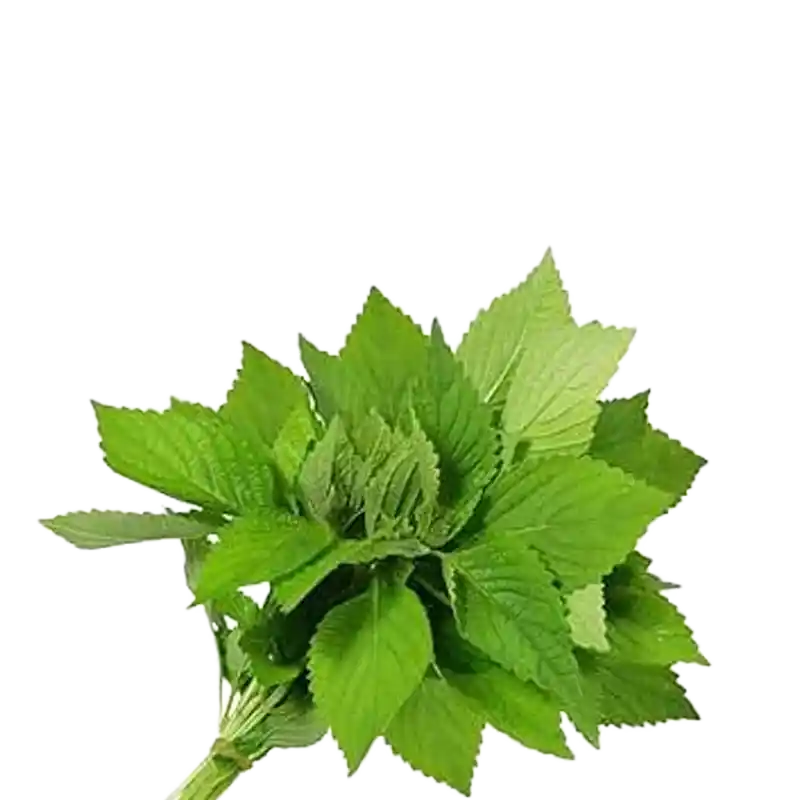
Elsholtzia ciliata (Vietnamese balm, 'xiang ru') is an aromatic mint-family herb used in Chinese medicine as the classic 'summer' diaphoretic — to induce a light sweat and release 'summer-cold/summer-damp' — for summertime colds and fevers with chills, headache, no sweating, abdominal fullness, vomiting and diarrhoea, and mild oedema. Its essential oil shows antimicrobial, antiviral and antioxidant activity; it is also used as a culinary aromatic herb.إلشولتزيا مهدّبة (Elsholtzia ciliata، «شيانغ رو») عشبةٌ عطرية من الفصيلة الشفوية تُستعمل في الطبّ الصيني مُعرِّقاً «صيفياً» كلاسيكياً — لإحداث تعرّقٍ خفيف وإطلاق «برد-الصيف/رطوبة-الصيف» — لزكام وحمّيات الصيف مع القشعريرة والصداع وانعدام التعرّق وامتلاء البطن والقيء والإسهال والوذمة الخفيفة. وزيتها الطيّار يُظهِر نشاطاً مضاداً للميكروبات والفيروسات والأكسدة؛ وتُستعمل أيضاً عشبةً عطرية طهوية.
Categoryالفئة
• Aromatic mint herb (Lamiaceae)
• 'Xiang ru' — the 'summer' cold & diaphoretic herb
• Antimicrobial, antiviral & antioxidant (studied)
• Diaphoretic & digestive; essential oil
• Traditional summer cold, fever, diarrhoea & oedema herb• عشبة نعناعية عطرية (الفصيلة الشفوية)
• «شيانغ رو» — عشبة زكام «الصيف» ومُعرِّقة
• مضادة للميكروبات والفيروسات والأكسدة (مدروس)
• مُعرِّقة وهاضمة؛ زيت طيّار
• عشبة تقليدية لزكام الصيف والحمّى والإسهال والوذمة
Habitatالموطن
An aromatic annual mint-family herb of East and Southeast Asia (and naturalised elsewhere), of fields and waste ground.عشبة حولية عطرية من الفصيلة الشفوية في شرق وجنوب شرق آسيا (ومتوطّنة في غيره)، في الحقول والأرض البور.
Parts usedالأجزاء المستخدمة
• Aerial parts (main)• الأجزاء الهوائية (رئيسي)
Key constituentsالمكوّنات الفعّالة
• Essential oil (elsholtzia ketone, dehydroelsholtzia ketone)
• Flavonoids & phenolics
• Terpenes
• Rosmarinic acid
• Antioxidant compounds• زيت طيّار (كيتون الإلشولتزيا، ديهيدرو كيتون الإلشولتزيا)
• فلافونويدات وفينولات
• تربينات
• حمض الروزمارينيك
• مركّبات مضادة للأكسدة
Researchالأبحاث
Elsholtzia ciliata (xiang ru) is documented for antimicrobial, antiviral (including anti-influenza) and antioxidant activity, mainly from its essential oil, consistent with its traditional use for summer colds and febrile/digestive complaints. This supports its diaphoretic, antimicrobial and digestive uses; evidence is chiefly on its oil and extracts.إلشولتزيا مهدّبة (شيانغ رو) موثّقة لنشاطٍ مضاد للميكروبات والفيروسات (بما فيها الإنفلونزا) والأكسدة، غالباً من زيتها الطيّار، بما يوافق استعمالها التقليدي لزكام الصيف والشكاوى المحمومة/الهضمية. وهذا يدعم استعمالاتها المُعرِّقة والمضادة للميكروبات والهاضمة؛ والأدلة أساساً على زيتها ومستخلصاتها.
Published researchأبحاث منشورة
Traditional useالاستخدام التقليدي
Aerial-part decoction used in Chinese medicine as a 'summer' diaphoretic — to induce a light sweat and release exterior 'summer-cold/damp' — for summertime colds and fevers with chills, headache, no sweating, heaviness, abdominal fullness, nausea, vomiting and diarrhoea, and to promote urination in mild oedema; also used as an aromatic culinary/pot herb. The 'xiang ru' of summer illness.يُستعمل مغلي الأجزاء الهوائية في الطبّ الصيني مُعرِّقاً «صيفياً» — لإحداث تعرّقٍ خفيف وإطلاق «برد/رطوبة الصيف» الخارجية — لزكام وحمّيات الصيف مع القشعريرة والصداع وانعدام التعرّق والثقل وامتلاء البطن والغثيان والقيء والإسهال، ولتعزيز التبوّل في الوذمة الخفيفة؛ وتُستعمل أيضاً عشبةً عطرية طهوية. «شيانغ رو» علّة الصيف.
Current useالاستخدام الحالي
A traditional Chinese summer-cold diaphoretic and digestive aromatic herb (xiang ru) with researched antimicrobial and antiviral activity; also a culinary herb.عشبة عطرية صينية تقليدية مُعرِّقة لزكام الصيف وهاضمة (شيانغ رو) بنشاطٍ مضاد للميكروبات والفيروسات مدروس؛ وعشبة طهوية أيضاً.
Preparationsالتحضيرات
• Aerial-part decoction (xiang ru)
• Culinary aromatic herb
• Essential oil (dilute)• مغلي الأجزاء الهوائية (شيانغ رو)
• عشبة عطرية طهوية
• زيت طيّار (مخفّف)
Used for these conditionsيُستخدم لهذه الحالات
Adult dosageجرعة البالغين
Aerial-part decoction per traditional Chinese practice (best taken cool for its diaphoretic effect); culinary amounts as a herb.مغلي الأجزاء الهوائية بحسب الممارسة الصينية التقليدية (الأفضل تناوله بارداً لأثره المُعرِّق)؛ وكميات الطهي عشبةً.
Child dosageجرعة الأطفال
Mild decoction is used traditionally for children's summer colds; use with guidance.يُستعمل المغلي الخفيف تقليدياً لزكام الصيف لدى الأطفال؛ ويُستعمل بإرشاد.
Cautionتحذيرات
Generally regarded as a low-toxicity aromatic herb. As a diaphoretic, avoid overusing it in people who already sweat a lot or are weak/dehydrated (excess sweating can weaken them). The concentrated essential oil should be diluted and not swallowed neat. Those allergic to mint-family herbs should be cautious.تُعدّ عموماً عشبة عطرية منخفضة السمّية. وكمُعرِّق، يُتجنّب الإفراط فيه لدى كثيري التعرّق أو الضعفاء/الجافّين (فالتعرّق المفرط قد يُوهِنهم). ويُخفَّف الزيت الطيّار المركّز ولا يُبتَلع صرفاً. وعلى من يتحسّس من الفصيلة الشفوية الحذر.
Pregnancy & nursingالحمل والرضاعة
Culinary amounts are fine; avoid large medicinal (diaphoretic) doses in pregnancy without guidance.كميات الطهي مقبولة؛ وتُتجنّب الجُرَع العلاجية (المُعرِّقة) الكبيرة في الحمل دون إرشاد.