
Introductionمقدّمة
Cynanchum atratum ('bai wei') is a swallowwort whose root is a classic Chinese remedy to 'clear heat and cool the blood' — used for lingering or low-grade fevers, night or afternoon fever, feverish conditions in pregnancy/after childbirth, hot painful urination, and sores. Studies report anti-inflammatory, antipyretic, antioxidant and immunomodulatory activity from its C21-steroidal glycosides and other compounds.سينانخوم أسود (Cynanchum atratum، «باي وِي») نوعٌ من الخانق جذره علاجٌ صيني كلاسيكي «لتصفية الحرارة وتبريد الدم» — يُستعمل للحمّيات المستمرّة أو الخفيفة والحمّى الليلية أو بعد الظهر والحالات المحمومة في الحمل/بعد الولادة والتبوّل الحارّ المؤلم والقروح. وتذكر الدراسات نشاطاً مضاداً للالتهاب وخافضاً للحرارة ومضاداً للأكسدة ومعدّلاً للمناعة من غليكوزيداته الستيرويدية C21 ومركّباتٍ أخرى.
Categoryالفئة
• Heat-clearing root herb (Apocynaceae)
• 'Bai wei' — cooling fever & blood-heat root
• Anti-inflammatory, antipyretic & immunomodulatory (studied)
• Antioxidant; diuretic
• Traditional lingering fever, night-fever, urinary & post-partum herb• عشبة جذر مصفّية للحرارة (الفصيلة الدفلية)
• «باي وِي» — جذر مبرّد للحمّى وحرارة الدم
• مضادة للالتهاب وخافضة للحرارة ومعدّلة للمناعة (مدروس)
• مضادة للأكسدة؛ مُدرّة
• عشبة تقليدية للحمّى المستمرّة والليلية والبول وما بعد الولادة
Habitatالموطن
A perennial swallowwort of grassland and scrub in China and East Asia, grown/collected for its medicinal roots.خانقٌ معمّر في المراعي والأدغال بالصين وشرق آسيا، يُزرَع/يُجمَع لجذوره الطبّية.
Parts usedالأجزاء المستخدمة
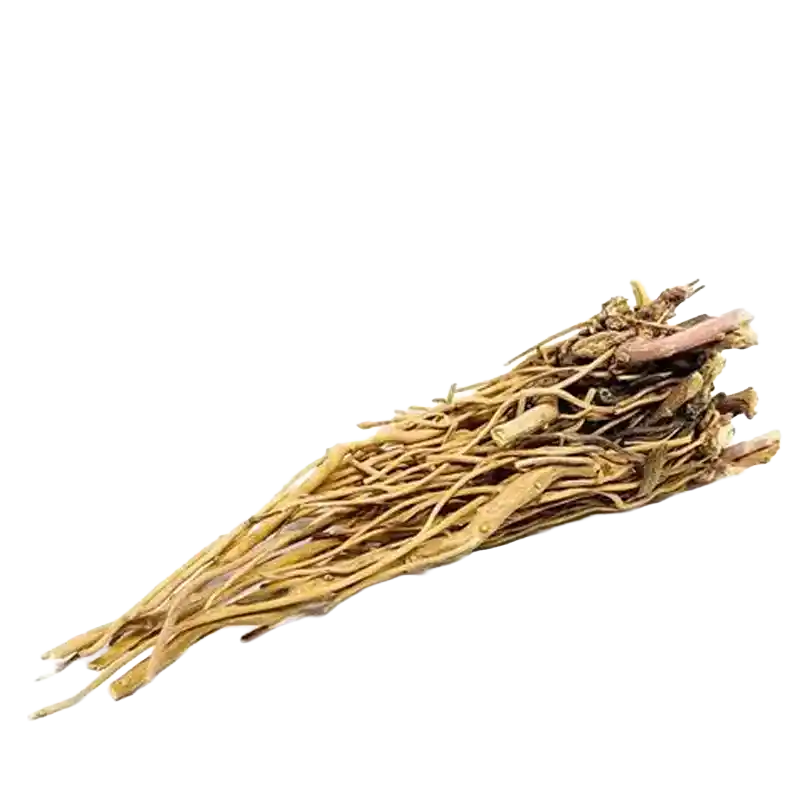
• Root & rhizome (main)• الجذر والجذمور (رئيسي)
Key constituentsالمكوّنات الفعّالة
• C21-steroidal glycosides (atratosides)
• Flavonoids & phenolics
• Sterols
• Volatile compounds
• Antioxidant compounds• غليكوزيدات ستيرويدية C21 (أتراتوسيدات)
• فلافونويدات وفينولات
• ستيرولات
• مركّبات طيّارة
• مركّبات مضادة للأكسدة
Researchالأبحاث
Cynanchum atratum (bai wei) is documented for anti-inflammatory, antipyretic, antioxidant and immunomodulatory activity, with C21-steroidal glycosides among its actives, supporting its traditional use for lingering fevers, 'blood heat' and urinary heat. Evidence is chiefly preclinical, with a strong classical-TCM use base for feverish conditions.سينانخوم أسود (باي وِي) موثّقٌ لنشاطٍ مضاد للالتهاب وخافض للحرارة ومضاد للأكسدة ومعدّل للمناعة، والغليكوزيدات الستيرويدية C21 من مكوّناته الفعّالة، بما يدعم استعماله التقليدي للحمّيات المستمرّة و«حرارة الدم» وحرارة البول. والأدلة أوّلية أساساً، بقاعدة استعمالٍ صيني كلاسيكي قوية للحالات المحمومة.
Published researchأبحاث منشورة
Traditional useالاستخدام التقليدي
Root decoction used in Chinese medicine to clear heat and cool the blood — for lingering low-grade or 'deficiency' fevers, night/afternoon fever, feverish and irritable conditions during pregnancy or after childbirth, hot painful or bloody urination, and heat sores; a classic 'bai wei' cooling fever herb, often in formulas.يُستعمل مغلي الجذر في الطبّ الصيني لتصفية الحرارة وتبريد الدم — للحمّيات المستمرّة الخفيفة أو «النقصية» والحمّى الليلية/بعد الظهر والحالات المحمومة الهائجة في الحمل أو بعد الولادة والتبوّل الحارّ المؤلم أو الدموي وقروح الحرارة؛ عشبة «باي وِي» مبرّدة للحمّى كلاسيكية، غالباً في الخلطات.
Current useالاستخدام الحالي
A traditional Chinese cooling fever and 'blood-heat' root (bai wei) with researched anti-inflammatory, antipyretic and immunomodulatory activity.جذر صيني تقليدي مبرّد للحمّى و«حرارة الدم» (باي وِي) بنشاطٍ مضاد للالتهاب وخافض للحرارة ومعدّل للمناعة مدروس.
Preparationsالتحضيرات
• Root decoction (bai wei)
• In cooling-fever formulas
• Powder (guided)• مغلي الجذر (باي وِي)
• في خلطات مبرّدة للحمّى
• مسحوق (مُرشَد)
Used for these conditionsيُستخدم لهذه الحالات
Adult dosageجرعة البالغين
Root decoction in modest traditional amounts per Chinese practice; in cooling-fever formulas.مغلي الجذر بكميات تقليدية معتدلة بحسب الممارسة الصينية؛ وفي خلطات مبرّدة للحمّى.
Child dosageجرعة الأطفال
Used (in formulas) for children's fevers under professional guidance.يُستعمل (في الخلطات) لحمّيات الأطفال بإرشاد مختصّ.
Cautionتحذيرات
Generally used within traditional formulas. In TCM it is 'cold', so it may not suit weak, cold digestion or loose stools; keep to modest traditional/formula amounts. Persistent or high fevers need proper medical diagnosis — use this as a supportive herb, not a substitute, and under professional guidance.يُستعمل عموماً ضمن الخلطات التقليدية. وفي الطبّ الصيني هو «بارد»، فقد لا يناسب الهضم الضعيف البارد أو البراز الليّن؛ فيُقتصَر على كميات تقليدية/خلطات معتدلة. والحمّيات المستمرّة أو العالية تحتاج تشخيصاً طبّياً سليماً — فيُستعمل عشبةً داعمة لا بديلاً وبإرشاد مختصّ.
Pregnancy & nursingالحمل والرضاعة
Traditionally used (in formulas) for feverish conditions in pregnancy under supervision; still, use medicinal amounts only with professional guidance.يُستعمل تقليدياً (في الخلطات) للحالات المحمومة في الحمل بإشراف؛ ومع ذلك تُستعمل الكميات العلاجية فقط بإرشاد مختصّ.


