Introductionمقدّمة
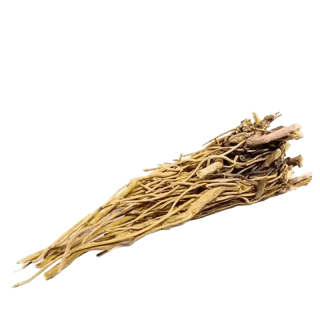
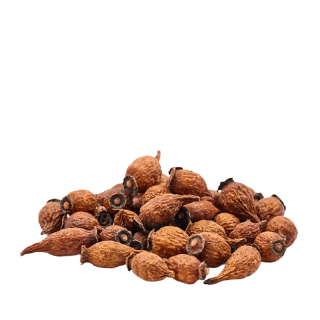
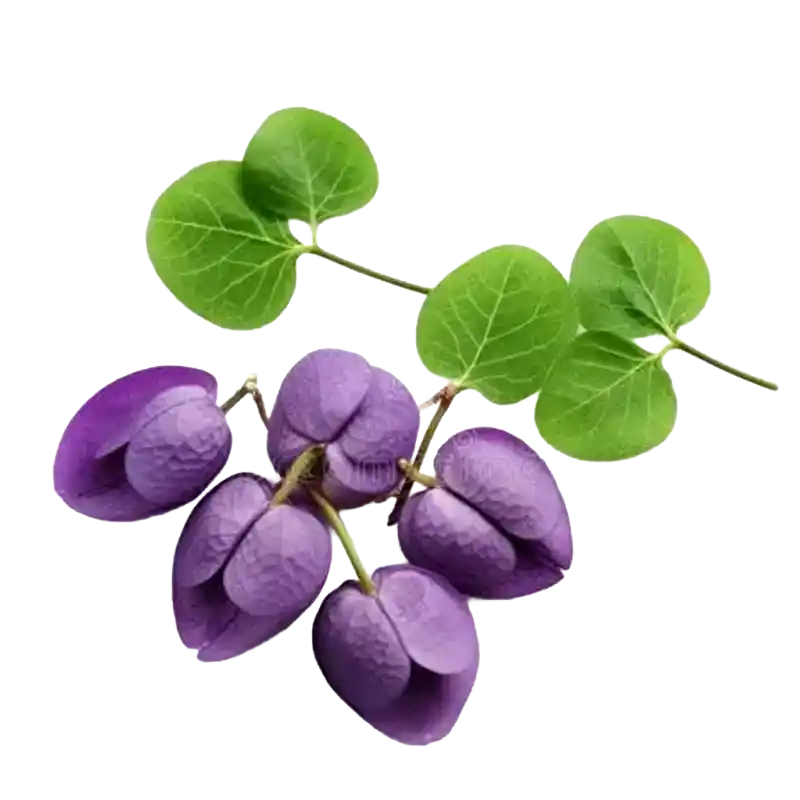
Akebia trifoliata (three-leaf akebia, 'mu tong') is a climbing vine of East Asia whose stem is a traditional Chinese 'mu tong' — a diuretic used to promote urination, clear 'damp-heat', relieve painful urination and promote breast-milk flow — and whose sausage-shaped fruit is edible and sweet. Studies report diuretic, anti-inflammatory, antimicrobial and antioxidant activity. ⚠️ Importantly, genuine Akebia mu tong is the SAFE kind, unlike aristolochic-acid-containing 'guan mu tong' substitutes (see caution).أكيبيا ثلاثية الأوراق (Akebia trifoliata، «مو تونغ») متسلّقة من شرق آسيا ساقها «مو تونغ» صيني تقليدي — مُدرّ يُستعمل لتعزيز التبوّل وإزالة «الرطوبة-الحرارة» وتخفيف التبوّل المؤلم وتعزيز إدرار حليب الثدي — وثمرتها السجقّية الشكل صالحة للأكل حلوة. وتذكر الدراسات نشاطاً مُدرّاً ومضاداً للالتهاب والميكروبات والأكسدة. ⚠️ والمهمّ أنّ «مو تونغ» الأكيبيا الأصلية هي النوع الآمن، بخلاف بدائل «غوان مو تونغ» الحاوية لحمض الأرستولوكيك (انظر التحذير).
Categoryالفئة
• Medicinal vine & edible fruit (Lardizabalaceae)
• 'Mu tong' — diuretic TCM stem & edible fruit
• Diuretic, anti-inflammatory & antimicrobial (studied)
• Antioxidant; the SAFE (aristolochic-acid-free) mu tong
• Traditional urinary, lactation & 'heat' herb
• ⚠️ Use genuine Akebia, NOT aristolochic-acid substitutes• متسلّقة طبّية وثمرة صالحة للأكل (الفصيلة اللارديزابالية)
• «مو تونغ» — ساق TCM مُدرّة وثمرة صالحة للأكل
• مُدرّة ومضادة للالتهاب والميكروبات (مدروس)
• مضادة للأكسدة؛ «مو تونغ» الآمنة (الخالية من حمض الأرستولوكيك)
• عشبة تقليدية للبول والإرضاع و«الحرارة»
• ⚠️ تُستعمل الأكيبيا الأصلية لا بدائل حمض الأرستولوكيك
Habitatالموطن
A woody climbing vine of China, Korea and Japan, grown for its ornamental flowers, edible fruit and medicinal stem.متسلّقة خشبية في الصين وكوريا واليابان، تُزرَع لأزهارها الزينية وثمرتها الصالحة للأكل وساقها الطبّي.
Parts usedالأجزاء المستخدمة
• Stem (mu tong — main)
• Fruit (edible) & seeds• الساق (مو تونغ — رئيسي)
• الثمرة (صالحة للأكل) والبذور
Key constituentsالمكوّنات الفعّالة
• Triterpenoid saponins (akebia saponins)
• Flavonoids & phenolics
• Sterols
• Potassium salts (diuretic)
• Antioxidant compounds• صابونينات تريتربينية (صابونينات الأكيبيا)
• فلافونويدات وفينولات
• ستيرولات
• أملاح البوتاسيوم (مُدرّة)
• مركّبات مضادة للأكسدة
Researchالأبحاث
Akebia trifoliata is documented for diuretic, anti-inflammatory, antimicrobial and antioxidant activity, with triterpenoid akebia saponins among its actives, supporting its traditional 'mu tong' use for urination and 'damp-heat'; the fruit is a nutritious edible. Crucially, genuine Akebia is free of the nephrotoxic aristolochic acids found in some historic 'mu tong' substitutes.أكيبيا ثلاثية الأوراق موثّقة لنشاطٍ مُدرّ ومضاد للالتهاب والميكروبات والأكسدة، وصابونينات الأكيبيا التريتربينية من مكوّناتها الفعّالة، بما يدعم استعمالها «مو تونغ» التقليدي للتبوّل و«الرطوبة-الحرارة»؛ والثمرة صالحة للأكل مغذّية. والأهمّ أنّ الأكيبيا الأصلية خالية من أحماض الأرستولوكيك السامّة للكلى الموجودة في بعض بدائل «مو تونغ» التاريخية.
Published researchأبحاث منشورة
Traditional useالاستخدام التقليدي
Stem ('mu tong') decoction used in Chinese medicine as a diuretic to promote urination, clear 'damp-heat' from the urinary and heart systems, relieve painful/scanty urination, calm irritability, and promote breast-milk flow in nursing mothers; the sweet ripe fruit eaten as food; young shoots also eaten.يُستعمل مغلي الساق («مو تونغ») في الطبّ الصيني مُدرّاً لتعزيز التبوّل وإزالة «الرطوبة-الحرارة» من الجهاز البولي والقلبي وتخفيف التبوّل المؤلم/الشحيح وتهدئة الهياج وتعزيز إدرار حليب الثدي؛ وتُؤكَل الثمرة الناضجة الحلوة غذاءً؛ وتُؤكَل البراعم الفتية أيضاً.
Current useالاستخدام الحالي
A traditional Chinese diuretic stem (safe Akebia mu tong) and an edible fruit, with researched diuretic, anti-inflammatory and antimicrobial activity.ساق مُدرّ صيني تقليدي (مو تونغ الأكيبيا الآمنة) وثمرة صالحة للأكل، بنشاطٍ مُدرّ ومضاد للالتهاب والميكروبات مدروس.
Preparationsالتحضيرات
• Stem decoction (diuretic)
• Ripe fruit (food)
• Young shoots (food)• مغلي الساق (مُدرّ)
• الثمرة الناضجة (غذاء)
• البراعم الفتية (غذاء)
Used for these conditionsيُستخدم لهذه الحالات
Adult dosageجرعة البالغين
Stem decoction per traditional Chinese practice, with adequate fluids; fruit eaten as food.مغلي الساق بحسب الممارسة الصينية التقليدية، مع سوائل كافية؛ والثمرة تُؤكَل غذاءً.
Child dosageجرعة الأطفال
Fruit is a safe food; medicinal stem doses only with guidance.الثمرة غذاءٌ آمن؛ وجُرَع الساق العلاجية بإرشاد فقط.
Cautionتحذيرات
⚠️ CRITICAL SOURCING: use only genuine Akebia mu tong. Historically, some 'mu tong' on the market was substituted with Aristolochia species ('guan mu tong') that contain nephrotoxic, carcinogenic aristolochic acids and caused serious kidney damage — avoid any aristolochic-acid-containing product. Genuine Akebia is a safe diuretic; still, take diuretic doses with adequate fluids and use under guidance if you have kidney disease.⚠️ مصدرٌ حاسم: تُستعمل فقط «مو تونغ» الأكيبيا الأصلية. فتاريخياً، استُبدِل بعض «مو تونغ» في السوق بأنواع Aristolochia («غوان مو تونغ») الحاوية لأحماض الأرستولوكيك السامّة للكلى المُسرطِنة والمُسبِّبة لضررٍ كلويّ خطير — فيُتجنَّب أي منتج حاوٍ لحمض الأرستولوكيك. والأكيبيا الأصلية مُدرّ آمن؛ ومع ذلك تُؤخَذ الجُرَع المُدرّة مع سوائل كافية وتُستعمل بإرشاد عند مرض الكلى.
Pregnancy & nursingالحمل والرضاعة
⚠️ The diuretic stem 'mu tong' is traditionally cautioned/avoided in pregnancy; the edible fruit in food amounts is a lesser concern. Use medicinal amounts only with guidance.⚠️ يُحذَّر تقليدياً من ساق «مو تونغ» المُدرّ/يُتجنّب في الحمل؛ والثمرة الصالحة للأكل بكميات الطعام أقلّ قلقاً. وتُستعمل الكميات العلاجية بإرشاد فقط.