Introductionمقدّمة
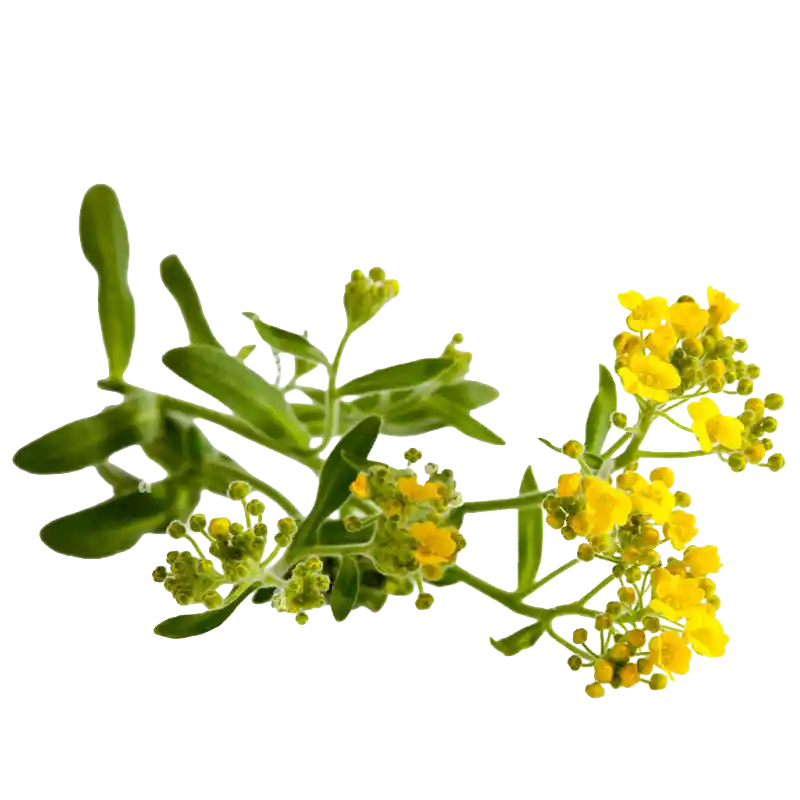
Alyssum montanum (mountain alyssum/madwort) is a low, yellow-flowered mustard-family plant of European mountains, grown as a rock-garden ornamental and used in minor folk medicine as a diuretic and astringent. Like other Brassicaceae it carries glucosinolates and flavonoids with antioxidant and antimicrobial activity.الأليسوم الجبلي (Alyssum montanum) نبتةٌ منخفضة صفراء الزهر من الفصيلة الصليبية في جبال أوروبا، تُزرَع زينةً للحدائق الصخرية وتُستعمل في طبٍّ شعبي طفيف مُدرّاً للبول وقابضاً. وكسائر الصليبيات تحمل غلوكوزينولات وفلافونويدات بنشاطٍ مضاد للأكسدة والميكروبات.
Categoryالفئة
• Alpine mustard-family herb (Brassicaceae)
• Antioxidant & antimicrobial (studied)
• Diuretic & astringent (traditional)
• Ornamental & minor folk remedy
• Glucosinolate-bearing• عشبة جبلية من الفصيلة الصليبية
• مضادّة للأكسدة والميكروبات (مدروسة)
• مُدرّة للبول وقابضة (تقليدي)
• زينة وعلاجٌ شعبي طفيف
• حاملةٌ للغلوكوزينولات
Habitatالموطن
A low, mat-forming perennial of dry, rocky and calcareous slopes in the mountains of central and southern Europe.عشبةٌ معمّرة منخفضة مُبسِّطة في المنحدرات الجافة الصخرية الكلسية في جبال وسط وجنوب أوروبا.
Parts usedالأجزاء المستخدمة
• Aerial parts (herb)
• Flowers• الأجزاء الهوائية (العشبة)
• الأزهار
Key constituentsالمكوّنات الفعّالة
• Glucosinolates & isothiocyanates
• Flavonoids
• Phenolic acids
• Sterols• غلوكوزينولات وإيزوثيوسيانات
• فلافونويدات
• أحماض فينولية
• ستيرولات
Researchالأبحاث
Alyssum species, within the well-studied mustard family, contain glucosinolates, flavonoids and phenolics and show antioxidant and antimicrobial activity in laboratory studies; this supports the minor traditional use of A. montanum as a diuretic and astringent. Dedicated human data for this species are lacking and evidence is preclinical.أنواع الأليسوم، ضمن الفصيلة الصليبية المدروسة جيداً، تحوي غلوكوزينولات وفلافونويدات وفينولات وتُظهر نشاطاً مضاداً للأكسدة والميكروبات في الدراسات المخبرية؛ وهذا يدعم الاستعمال التقليدي الطفيف للأليسوم الجبلي مُدرّاً وقابضاً. والبيانات البشرية المخصوصة لهذا النوع مفقودة والأدلة قبل سريرية.
Published researchأبحاث منشورة
Traditional useالاستخدام التقليدي
Used in minor European folk medicine as a mild diuretic for urinary complaints and water retention, as an astringent, and historically (as the name 'madwort' suggests for the genus) once reputed against rabies/dog-bite and as a calming/anti-hiccup remedy; mainly grown today as an ornamental.يُستعمل في طبٍّ أوروبي شعبي طفيف مُدرّاً خفيفاً للشكاوى البولية واحتباس الماء وقابضاً، وتاريخياً (كما يوحي اسم الجنس) شُهِر يوماً ضدّ داء الكَلَب/عضّة الكلب وعلاجاً مهدّئاً/مضاداً للفواق؛ ويُزرَع اليوم زينةً أساساً.
Current useالاستخدام الحالي
Grown mainly as a rock-garden ornamental; occasionally used as a minor diuretic/astringent folk herb; studied for antioxidant activity.يُزرَع أساساً زينةً للحدائق الصخرية؛ ويُستعمل أحياناً عشبةً شعبية طفيفة مُدرّة/قابضة؛ ويُدرَس لنشاطه المضاد للأكسدة.
Preparationsالتحضيرات
• Herb infusion (tea)
• Ornamental plant
• Astringent wash• نقيع العشبة (شاي)
• نبتة زينة
• غسول قابض
Used for these conditionsيُستخدم لهذه الحالات
Adult dosageجرعة البالغين
Herb infusion in modest traditional amounts; per traditional practice.نقيع العشبة بكميات تقليدية معتدلة؛ بحسب الممارسة التقليدية.
Child dosageجرعة الأطفال
Not typically used medicinally for children.لا يُستعمل عادةً طبياً للأطفال.
Cautionتحذيرات
Little studied as a medicine and not standardised, so use only modest traditional amounts. As a diuretic it should be used cautiously alongside diuretic and blood-pressure medicines, and it is best regarded as a minor folk herb and ornamental rather than a reliable remedy.قليل الدراسة دواءً وغير مقنّن، فتُستعمل كميات تقليدية معتدلة فقط. وكمُدرّ يُستعمل بحذر مع أدوية الإدرار والضغط، والأولى عدّه عشبةً شعبية طفيفة وزينةً لا علاجاً موثوقاً.
Pregnancy & nursingالحمل والرضاعة
Avoid medicinal doses in pregnancy — not established as safe.تُتجنَّب الجُرَع الطبية في الحمل — غير مثبتة الأمان.