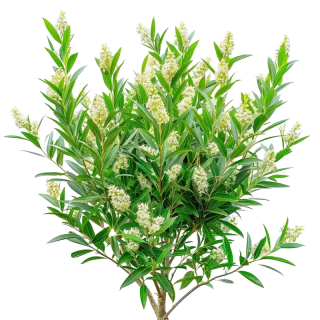
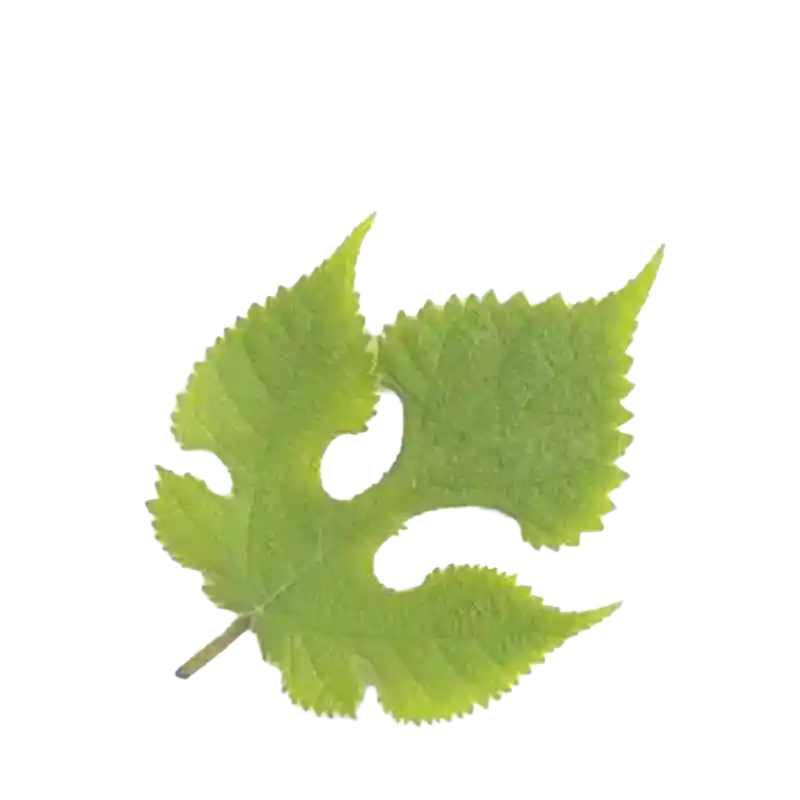
Introductionمقدّمة
Broussonetia papyrifera (paper mulberry, 'chu shi zi') is a tree famous for its bark fibre (used to make paper and bark-cloth) and used in Chinese medicine — its fruit is a tonic for the liver and kidneys and to 'brighten the eyes' (for blurred vision, dizziness, weakness), while the leaves, bark and sap are used for oedema, dysentery, skin problems and wounds. Studies report antioxidant, anti-inflammatory and antimicrobial activity.التوت الورقيّ (Broussonetia papyrifera، «تشو شي زي») شجرةٌ اشتهرت بألياف لحائها (تُصنَع منها الورق وقماش اللحاء) وتُستعمل في الطبّ الصيني — ثمرتها مقوٍّ للكبد والكلى و«لتنوير العين» (لتشوّش الرؤية والدوار والضعف)، بينما تُستعمل الأوراق واللحاء والنسغ للوذمة والزحار ومشكلات الجلد والجروح. وتذكر الدراسات نشاطاً مضاداً للأكسدة والالتهاب والميكروبات.
Categoryالفئة
• Medicinal & fibre tree (Moraceae)
• 'Chu shi zi' — kidney/eye tonic fruit & fibre tree
• Antioxidant, anti-inflammatory & antimicrobial (studied)
• Liver/kidney & vision tonic; fibre for paper
• Traditional vision, kidney, oedema & skin herb• شجرة طبّية وألياف (الفصيلة التوتية)
• «تشو شي زي» — ثمرة مقوّية للكلى/العين وشجرة ألياف
• مضادة للأكسدة والالتهاب والميكروبات (مدروس)
• مقوٍّ للكبد/الكلى والبصر؛ ألياف للورق
• عشبة تقليدية للبصر والكلى والوذمة والجلد
Habitatالموطن
A fast-growing deciduous tree native to East Asia (widely naturalised/invasive elsewhere), grown for bark fibre and bearing red fruit.شجرة نفضية سريعة النموّ موطنها شرق آسيا (متوطّنة/غازية في غيره)، تُزرَع لألياف اللحاء وتحمل ثماراً حمراء.
Parts usedالأجزاء المستخدمة
• Fruit ('chu shi zi' — main)
• Leaves, bark & sap• الثمرة («تشو شي زي» — رئيسي)
• الأوراق واللحاء والنسغ
Key constituentsالمكوّنات الفعّالة
• Flavonoids (broussonins, prenylflavonoids)
• Phenolic acids
• Alkaloids
• Sterols
• Antioxidant compounds• فلافونويدات (بروسونينات، فلافونويدات مبرنَلة)
• أحماض فينولية
• قلويدات
• ستيرولات
• مركّبات مضادة للأكسدة
Researchالأبحاث
Broussonetia papyrifera is documented for antioxidant, anti-inflammatory and antimicrobial activity, with prenylated flavonoids among its bioactive constituents, and its fruit is a traditional liver/kidney and vision tonic. This supports its traditional tonic, diuretic and skin uses; evidence is chiefly preclinical, and the tree remains important economically for paper fibre.التوت الورقيّ موثّقٌ لنشاطٍ مضاد للأكسدة والالتهاب والميكروبات، والفلافونويدات المبرنَلة من مكوّناته الفعّالة، وثمرته مقوٍّ تقليدي للكبد/الكلى والبصر. وهذا يدعم استعمالاته المقوّية والمُدرّة والجلدية التقليدية؛ والأدلة أوّلية أساساً، والشجرة تبقى مهمّة اقتصادياً لألياف الورق.
Published researchأبحاث منشورة
Traditional useالاستخدام التقليدي
Fruit taken in Chinese medicine to tonify the liver and kidneys, 'brighten the eyes' and strengthen the body — for blurred vision, dizziness, tinnitus, weak low back and knees, and impotence — and as a mild diuretic for oedema; leaves, bark and milky sap used for dysentery, oedema, dermatitis, wounds and skin problems; bark long used to make paper and cloth.تُؤخَذ الثمرة في الطبّ الصيني لتقوية الكبد والكلى و«تنوير العين» وتقوية الجسم — لتشوّش الرؤية والدوار والطنين وضعف أسفل الظهر والركبتين والعجز — ومُدرّاً خفيفاً للوذمة؛ وتُستعمل الأوراق واللحاء والنسغ الحليبي للزحار والوذمة والتهاب الجلد والجروح ومشكلات الجلد؛ واللحاء يُستعمل منذ القدم لصنع الورق والقماش.
Current useالاستخدام الحالي
A traditional liver/kidney and vision tonic fruit (chu shi zi) with researched antioxidant, anti-inflammatory and antimicrobial activity; also an important fibre tree.ثمرة مقوّية تقليدية للكبد/الكلى والبصر (تشو شي زي) بنشاطٍ مضاد للأكسدة والالتهاب والميكروبات مدروس؛ وشجرة ألياف مهمّة أيضاً.
Preparationsالتحضيرات
• Fruit decoction / powder (tonic)
• Leaf/bark/sap preparations (skin/oedema)
• Bark fibre (paper/cloth)• مغلي/مسحوق الثمرة (مقوٍّ)
• مستحضرات الأوراق/اللحاء/النسغ (جلد/وذمة)
• ألياف اللحاء (ورق/قماش)
Used for these conditionsيُستخدم لهذه الحالات
Adult dosageجرعة البالغين
Fruit decoction/powder per traditional Chinese practice; in tonic formulas.مغلي/مسحوق الثمرة بحسب الممارسة الصينية التقليدية�؛ وفي خلطات المقوّيات.
Child dosageجرعة الأطفال
Use only with professional guidance.يُستعمل فقط بإرشاد مختصّ.
Cautionتحذيرات
Generally regarded as a low-toxicity tonic fruit. The milky sap of the leaves/stems can irritate the skin in sensitive people (handle fresh plant with some care). Note the tree's abundant pollen is a known allergen/hay-fever trigger in areas where it grows. Keep medicinal use to modest traditional amounts and confirm identification.تُعدّ عموماً ثمرةً مقوّية منخفضة السمّية. والنسغ الحليبي للأوراق/السيقان قد يهيّج الجلد لدى الحسّاسين (فيُتناول النبات الطازج بحذرٍ ما). ويُلاحَظ أنّ لقاح الشجرة الغزير مُثيرٌ معروف للحساسية/حمّى القشّ في مناطق نموّها. ويُقتصَر الاستعمال الطبّي على كميات تقليدية معتدلة ويُؤكَّد التحديد.
Pregnancy & nursingالحمل والرضاعة
Insufficient safety data — best avoided in medicinal amounts during pregnancy without guidance.بيانات سلامة غير كافية — الأفضل تجنّبه بكميات علاجية في الحمل دون إرشاد.