Introductionمقدّمة
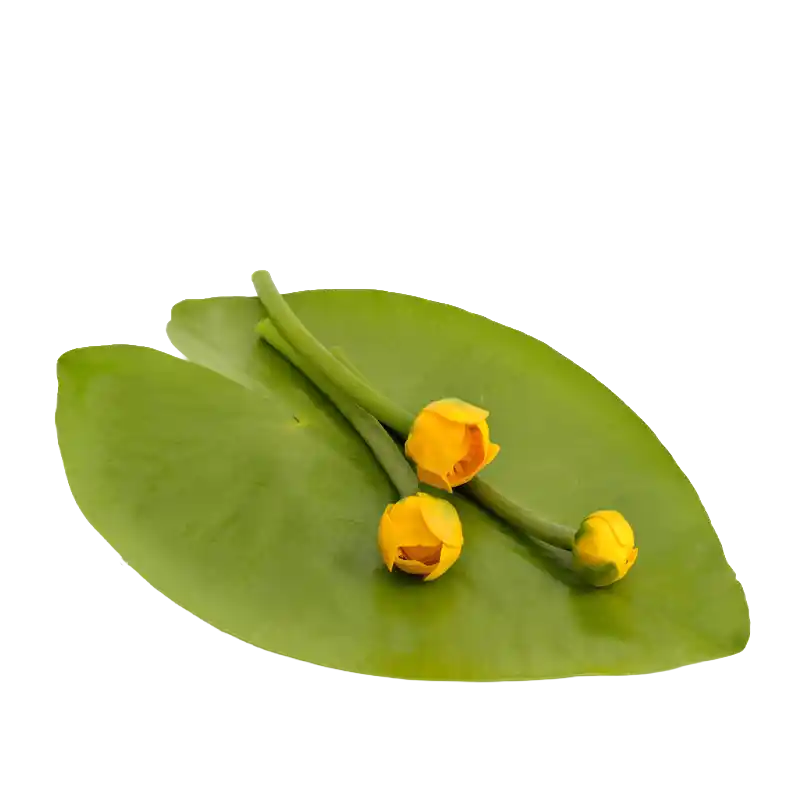
Nuphar lutea (yellow water lily, 'brandy bottle' for its flask-shaped fruit) is an aquatic plant whose rhizome contains distinctive nupharidine (sesquiterpene thioalkaloid) constituents. Traditionally an astringent and anti-inflammatory used for the gut, skin and 'women's' complaints and as a reputed anaphrodisiac/'calming' remedy, its extracts show antimicrobial and anti-parasitic activity — but its alkaloids mean it should be used cautiously.زنبق الماء الأصفر (Nuphar lutea، «قارورة البراندي» لثمره القاروري) نبتةٌ مائية جذمورها يحوي مركّبات نوفاريدين مميّزة (قلويدات ثيولية سسكِويتربينية). وهو تقليدياً قابضٌ ومضاد للالتهاب يُستعمل للأمعاء والجلد وشكاوى «النساء» وعلاجاً مُخمِّداً للشهوة/«مُهدّئاً» مشهوراً، وتُظهر مستخلصاته نشاطاً مضاداً للميكروبات والطفيليات — لكنّ قلويداته تعني وجوب استعماله بحذر.
Categoryالفئة
• Aquatic root herb (Nymphaeaceae)
• Astringent & anti-inflammatory (rhizome)
• Antimicrobial & anti-parasitic (studied)
• Traditional anaphrodisiac/'sedative' & wound herb
• ⚠️ Nupharidine alkaloids — use with care• عشبة جذر مائية (فصيلة الزنبق المائي)
• قابضة ومضادّة للالتهاب (الجذمور)
• مضادّة للميكروبات والطفيليات (مدروسة)
• علاجٌ تقليدي مُخمِّد للشهوة/«مهدّئ» وللجروح
• ⚠️ قلويدات النوفاريدين — تُستعمَل بحذر
Habitatالموطن
A floating-leaved aquatic perennial with yellow flowers and a stout submerged rhizome, of ponds, lakes and slow rivers across Europe, Asia and North Africa.عشبةٌ مائية معمّرة عائمة الأوراق بأزهارٍ صفراء وجذمورٍ غاطس متين، في البرك والبحيرات والأنهار البطيئة عبر أوروبا وآسيا وشمال إفريقيا.
Parts usedالأجزاء المستخدمة
• Rhizome (main)
• Flowers• الجذمور (رئيسي)
• الأزهار
Key constituentsالمكوّنات الفعّالة
• Sesquiterpene thioalkaloids (nupharidine, thiobinupharidine)
• Tannins
• Flavonoids
• Sterols
• Starch (rhizome)• قلويدات ثيولية سسكِويتربينية (نوفاريدين، ثيوبينوفاريدين)
• تانينات
• فلافونويدات
• ستيرولات
• نشا (الجذمور)
Researchالأبحاث
Nuphar lutea is studied for its unusual sesquiterpene thioalkaloids (nupharidine/thiobinupharidine), which show antimicrobial, anti-parasitic (e.g. anti-Leishmania) and immunomodulatory activity, and the tannin-rich rhizome is astringent. This supports its traditional astringent, wound and anti-inflammatory use, but the alkaloids are pharmacologically potent, so it is used cautiously and mainly by knowledgeable practitioners. Evidence is preclinical.زنبق الماء الأصفر مدروسٌ لقلويداته الثيولية السسكِويتربينية غير المعتادة (نوفاريدين/ثيوبينوفاريدين)، التي تُظهر نشاطاً مضاداً للميكروبات والطفيليات (كمضادّ الليشمانيا) ومُعدِّلاً للمناعة، والجذمور الغنيّ بالتانين قابض. وهذا يدعم استعماله التقليدي القابض وللجروح والالتهاب، لكنّ القلويدات قويّة دوائياً، فيُستعمل بحذر وعند الخبراء غالباً. والأدلة قبل سريرية.
Published researchأبحاث منشورة
Traditional useالاستخدام التقليدي
Rhizome used as an astringent for diarrhoea and dysentery, to stop bleeding, on wounds, sores and skin problems as a poultice/wash, for 'women's' complaints and discharge (a douche/wash), and as a reputed anaphrodisiac and 'calming' remedy to reduce sexual excitement; also for the mouth and throat.يُستعمل الجذمور قابضاً للإسهال والزحار ولحبس النزف وعلى الجروح والقروح ومشكلات الجلد لبخةً/غسولاً ولشكاوى «النساء» والإفرازات (غسولاً) وعلاجاً مُخمِّداً للشهوة و«مُهدّئاً» مشهوراً لتقليل الإثارة الجنسية؛ وأيضاً للفم والحلق.
Current useالاستخدام الحالي
Used cautiously as an astringent/anti-inflammatory folk remedy; studied for its alkaloids' antimicrobial and anti-parasitic activity.يُستعمل بحذر علاجاً شعبياً قابضاً/مضاداً للالتهاب؛ ويُدرَس لنشاط قلويداته المضاد للميكروبات والطفيليات.
Preparationsالتحضيرات
• Rhizome decoction (guided)
• Poultice/wash (wounds/skin)
• Douche/wash (traditional)
• (Alkaloid extract — studied)• مغليّ الجذمور (مُوجَّه)
• لبخة/غسول (للجروح/الجلد)
• غسول (تقليدي)
• (مستخلص قلويدي — مدروس)
Used for these conditionsيُستخدم لهذه الحالات
Adult dosageجرعة البالغين
Small rhizome decoction in traditional amounts (external use preferred) under knowledgeable guidance; per traditional practice.مغليّ جذمورٍ صغير بكميات تقليدية (يُفضَّل الاستعمال الخارجي) تحت إرشادٍ خبير؛ بحسب الممارسة التقليدية.
Child dosageجرعة الأطفال
Not recommended for children.لا يُنصَح به للأطفال.
Cautionتحذيرات
Use cautiously and favour external use. Its sesquiterpene thioalkaloids are pharmacologically potent, so avoid high or prolonged internal doses; it is best left to knowledgeable practitioners rather than casual self-dosing. Avoid in pregnancy and children, and be sure of correct identification of this aquatic plant.يُستعمل بحذر ويُفضَّل الاستعمال الخارجي. فقلويداته الثيولية السسكِويتربينية قويّة دوائياً، فتُتجنَّب الجُرَع الداخلية العالية أو الطويلة؛ والأولى تركه للخبراء لا للتجريع الذاتي العابر. ويُتجنَّب في الحمل والأطفال، ويُتأكَّد من صحّة تمييز هذه النبتة المائية.
Pregnancy & nursingالحمل والرضاعة
Avoid in pregnancy — alkaloid-bearing and not established as safe.يُتجنَّب في الحمل — حامل للقلويد وغير مثبت الأمان.