Introductionمقدّمة
Mentha longifolia (wild mint, horse mint; Arabic naʿnāʿ barrī / ḥabaq barrī) is a widespread wild mint of the Middle East, Mediterranean, Africa and Asia. A well-studied aromatic, it is a classic digestive, carminative, antispasmodic and antimicrobial herb of Arab, Unani and folk medicine, used for indigestion, colic, coughs and colds, and as a menthol-scented culinary and 'cooling' herb.النعناع البرّي (Mentha longifolia، الحَبَق البرّي) نعناعٌ برّيّ واسع الانتشار في الشرق الأوسط والمتوسّط وإفريقيا وآسيا. عطريٌّ مدروسٌ جيداً، وهو عشبةٌ هاضمة وطاردة للريح ومضادّة للتقلّص والميكروبات كلاسيكية في الطبّ العربي واليوناني والشعبي، تُستعمل لعسر الهضم والمغص والسعال والزكام وعشبةً للطهي و«مُبرِّدة» برائحة المنثول.
Categoryالفئة
• Aromatic wild mint (Lamiaceae)
• Digestive & carminative (colic, indigestion)
• Antimicrobial & antioxidant (well-studied)
• Antispasmodic & respiratory
• Arab/Unani heritage mint (نعناع بري)• نعناع برّي عطري (الفصيلة الشفوية)
• هاضم وطارد للريح (مغص، عسر هضم)
• مضاد للميكروبات والأكسدة (مدروس جيداً)
• مضاد للتقلّص وتنفّسي
• نعناع تراثي عربي/يوناني (نعناع بري)
Habitatالموطن
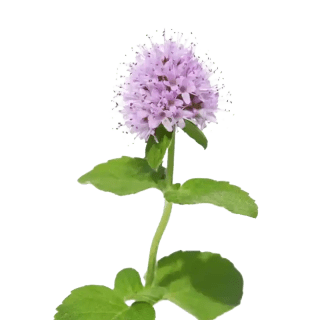
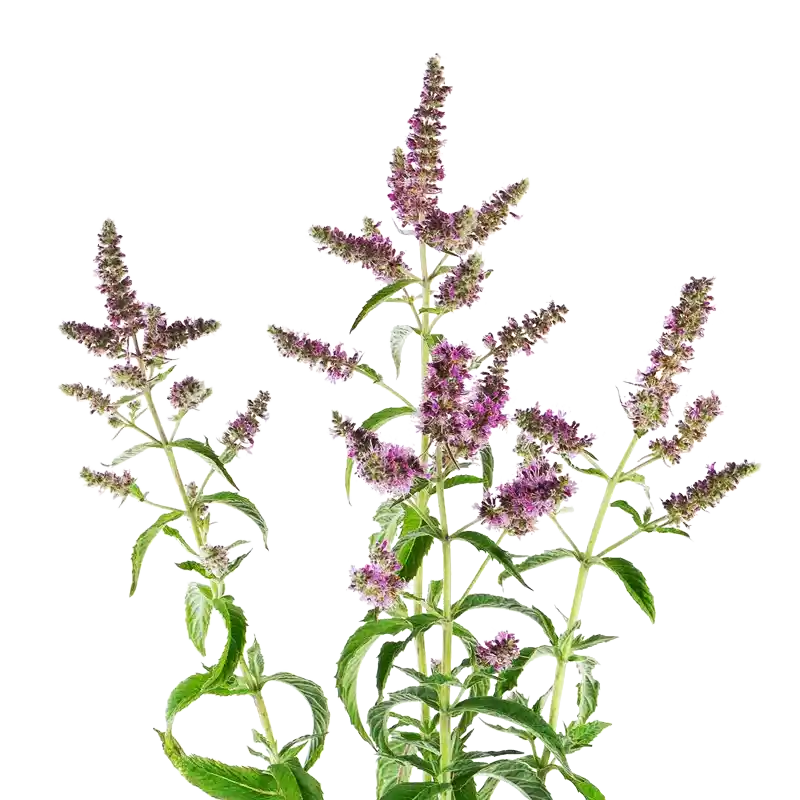
A tall, softly hairy perennial mint with long leaves and spike-like flower clusters, of streamsides, ditches, damp ground and mountains across the Middle East, Mediterranean, Africa and Asia.نعناعٌ معمّر عالٍ ناعم الزغب بأوراقٍ طويلة وعناقيد زهرٍ سنبلية، في ضفاف الجداول والخنادق والأرض الرطبة والجبال عبر الشرق الأوسط والمتوسّط وإفريقيا وآسيا.
Parts usedالأجزاء المستخدمة
• Leaves & flowering tops (herb)• الأوراق والقمم المزهرة (العشبة)
Key constituentsالمكوّنات الفعّالة
• Essential oil (menthol, pulegone, menthone, piperitone oxide)
• Rosmarinic acid & phenolics
• Flavonoids
• Tannins• زيت طيّار (منثول، بوليجون، منثون، أكسيد البيبيريتون)
• حمض الروزمارينيك وفينولات
• فلافونويدات
• تانينات
Researchالأبحاث
Mentha longifolia is well studied: reviews and studies document strong antimicrobial, antifungal, antioxidant, carminative, antispasmodic and anti-inflammatory activity of its menthol-rich (and often pulegone-containing) essential oil and extracts, supporting its wide traditional digestive, respiratory and antimicrobial use. Note some chemotypes are pulegone-rich, so the concentrated oil should be used moderately. Evidence is preclinical.النعناع البرّي مدروسٌ جيداً: توثّق المراجعات والدراسات نشاطاً قوياً مضاداً للميكروبات والفطريات والأكسدة وطارداً للريح ومضاداً للتقلّص والالتهاب لزيته الطيّار الغنيّ بالمنثول (والحاوي للبوليجون غالباً) ومستخلصاته، بما يدعم استعماله التقليدي الواسع الهاضم والتنفّسي والمضاد للميكروبات. ويُلاحَظ أنّ بعض الطُّرُز غنية بالبوليجون، فيُستعمَل الزيت المركّز باعتدال. والأدلة قبل سريرية.
Published researchأبحاث منشورة
Traditional useالاستخدام التقليدي
A classic Arab/Unani and Mediterranean/African wild mint: used as a carminative digestive tea for indigestion, wind, bloating, colic, nausea, diarrhoea and worms, as an antispasmodic for gut and menstrual cramps, an expectorant for coughs, colds and chest complaints, a mouth and throat gargle, and a 'cooling', mildly calming culinary herb; also applied to the skin for itching and insects.نعناعٌ برّيّ عربي/يوناني ومتوسّطي/إفريقي كلاسيكي: يُستعمل طارداً للريح هاضماً شاياً لعسر الهضم والريح والانتفاخ والمغص والغثيان والإسهال والديدان ومضاداً للتقلّص لمغص الأمعاء والطمث وطارداً للبلغم للسعال والزكام وشكاوى الصدر وغرغرةً للفم والحلق وعشبةً «مُبرِّدة» مُهدّئة قليلاً للطهي؛ ويُوضَع أيضاً على الجلد للحكّة والحشرات.
Current useالاستخدام الحالي
Widely used as a wild digestive/antimicrobial mint tea and culinary/'cooling' herb; well studied for antimicrobial and antioxidant activity.يُستعمل واسعاً شاي نعناعٍ برّي هاضم/مضاد للميكروبات وعشبةً للطهي/«مُبرِّدة»؛ ومدروسٌ جيداً لنشاطه المضاد للميكروبات والأكسدة.
Preparationsالتحضيرات
• Leaf infusion (digestive tea)
• Gargle/mouth rinse
• Essential oil (diluted, moderate)
• Culinary/'cooling' herb• نقيع الأوراق (شاي هاضم)
• غرغرة/مضمضة
• زيت طيّار (مخفّف، معتدل)
• عشبة للطهي/«مُبرِّدة»
Used for these conditionsيُستخدم لهذه الحالات
☾ Prophetic reference☾ إشارة نبوية
Wild mint is the naʿnāʿ barrī / ḥabaq barrī of the Arab world and a valued herb of classical Arab and Unani medicine (mint, naʿnāʿ, is praised by physicians such as Ibn Sīnā as strengthening the stomach and aiding digestion). Mint in general appears in the heritage of Ṭibb; this species is the common wild mint of the Levant and region, a well-established traditional digestive and 'cooling' herb rather than resting on a specific prophetic ḥadīth.النعناع البرّي هو نعناع/حَبَق برّيّ العالم العربي، وعشبةٌ مُقدَّرة في الطبّ العربي واليوناني الكلاسيكي (فالنعناع يمدحه الأطبّاء كابن سينا مقوّياً للمعدة معيناً على الهضم). والنعناع عموماً حاضرٌ في تراث الطبّ؛ وهذا النوع هو النعناع البرّي الشائع في الشام والمنطقة، عشبةٌ هاضمة و«مُبرِّدة» تقليدية ثابتة لا تستند إلى حديثٍ نبوي بعينه.
Adult dosageجرعة البالغين
Leaf infusion 1–2 g in hot water after meals or as needed; essential oil diluted and used moderately (pulegone caution); per traditional practice.نقيع الأوراق 1–2 غ في ماءٍ حارّ بعد الطعام أو عند الحاجة؛ الزيت الطيّار مخفّفاً وباعتدال (حذر البوليجون)؛ بحسب الممارسة التقليدية.
Child dosageجرعة الأطفال
A weak digestive tea for older children; do not use the concentrated (pulegone/menthol) oil near infants' faces.شايٌ هاضم خفيف للأطفال الأكبر؛ ولا يُستعمَل الزيت المركّز (البوليجون/المنثول) قرب وجوه الرُّضّع.
Cautionتحذيرات
Very safe as a tea and food. The main caution is the concentrated essential oil: many Mentha longifolia chemotypes are rich in pulegone, which is liver-toxic and uterine-active in high doses, so do not take the neat oil internally and avoid it in pregnancy. As with all mints, it may worsen acid reflux in some, and the oil should be kept away from babies' faces.آمنٌ جداً شاياً وغذاءً. والمحذور الرئيس الزيت الطيّار المركّز: فكثيرٌ من طُرُز النعناع البرّي غنية بالبوليجون السامّ للكبد المنشّط للرحم بجُرَعٍ عالية، فلا يُؤخَذ الزيت الصرف داخلياً ويُتجنَّب في الحمل. وكسائر النعناع قد يزيد الارتجاع الحمضي عند بعضهم، ويُبعَد الزيت عن وجوه الرُّضّع.
Pregnancy & nursingالحمل والرضاعة
Culinary/tea amounts are generally fine; avoid the concentrated essential oil in pregnancy (pulegone-containing chemotypes can be uterine-active/toxic).كميات الطهي/الشاي مقبولة عموماً؛ ويُتجنَّب الزيت الطيّار المركّز في الحمل (فالطُّرُز الحاوية للبوليجون قد تنشّط الرحم/تكون سامّة).