Introductionمقدّمة
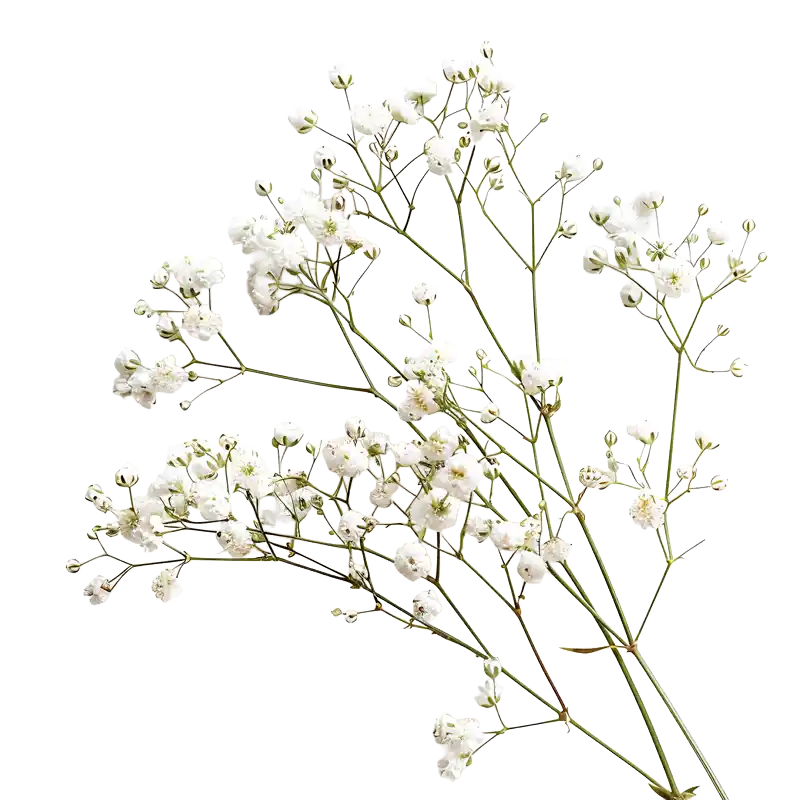
Gypsophila paniculata (baby's breath) is the airy florists' flower whose saponin-rich root has long been used as a natural soap ('soaproot') and food foaming agent (in halva/tahini sweets), and in folk medicine as an expectorant for coughs and bronchitis. Its saponins loosen mucus but are irritant in large amounts.نفَس الطفل (Gypsophila paniculata) زهرة الباقات الرقيقة التي طالما استُعمل جذرها الغنيّ بالصابونين صابوناً طبيعياً («جذر الصابون») ورغوةً غذائية (في حلوى الحلاوة/الطحينة)، وفي الطبّ الشعبي طارداً للبلغم للسعال والتهاب القصبات. وصابونيناتها تُذيب المخاط لكنّها مهيّجة بالكميات الكبيرة.
Categoryالفئة
• Saponin-rich root herb (Caryophyllaceae)
• Expectorant (saponin — cough/bronchitis)
• Soap-root & food emulsifier (halva)
• Antimicrobial & anti-inflammatory (studied)
• ⚠️ Saponins irritant in excess• عشبة جذر غنية بالصابونين (الفصيلة القرنفلية)
• طاردة للبلغم (صابونين — سعال/التهاب قصبات)
• جذر صابون ومستحلب غذائي (حلاوة)
• مضادّة للميكروبات والالتهاب (مدروسة)
• ⚠️ الصابونينات مهيّجة عند الإفراط
Habitatالموطن
A bushy perennial with clouds of tiny white/pink flowers, of steppe, sandy and disturbed ground of Eastern Europe and Asia; widely grown as a cut flower.عشبةٌ معمّرة كثيفة بسُحبٍ من أزهارٍ بيضاء/وردية دقيقة، في السهوب والأرض الرملية والمضطربة في شرق أوروبا وآسيا؛ تُزرَع واسعاً زهرةَ قطف.
Parts usedالأجزاء المستخدمة
• Root (main)
• Aerial parts (minor)• الجذر (رئيسي)
• الأجزاء الهوائية (ثانوي)
Key constituentsالمكوّنات الفعّالة
• Triterpene saponins (gypsophila saponins)
• Flavonoids
• Phenolic acids
• Polysaccharides
• Sterols• صابونينات تريتربينية (صابونينات الجبسوفيلا)
• فلافونويدات
• أحماض فينولية
• عديدات سكاريد
• ستيرولات
Researchالأبحاث
Gypsophila paniculata root is a documented source of triterpene saponins (used industrially for their foaming/surfactant properties, including in halva), which act as expectorants and show antimicrobial and anti-inflammatory activity in studies. This supports its traditional cough/bronchitis use; the saponins are also mucous-membrane irritants, so internal use must be moderate. Evidence is preclinical.جذر نفَس الطفل مصدرٌ موثّق للصابونينات التريتربينية (تُستعمل صناعياً لخصائصها المُرغِية/السطحية، ومنها في الحلاوة)، وتعمل طاردة للبلغم وتُظهر نشاطاً مضاداً للميكروبات والالتهاب في الدراسات. وهذا يدعم استعمالها التقليدي للسعال/التهاب القصبات؛ والصابونينات مهيّجة للأغشية المخاطية أيضاً، فيجب اعتدال الاستعمال الداخلي. والأدلة قبل سريرية.
Published researchأبحاث منشورة
Traditional useالاستخدام التقليدي
Root used as an expectorant for coughs, bronchitis and chest congestion (to loosen and expel phlegm), as a natural soap for washing and cleaning delicate fabrics, and as a foaming agent in confectionery (halva, nougat); occasionally as a diuretic.يُستعمل الجذر طارداً للبلغم للسعال والتهاب القصبات واحتقان الصدر (لإذابة البلغم وطرده) وصابوناً طبيعياً للغسل وتنظيف الأقمشة الرقيقة ورغوةً في الحلويات (الحلاوة، النوجا)؛ وأحياناً مُدرّاً.
Current useالاستخدام الحالي
Used industrially as a saponin/foaming agent (halva) and soap, and as an expectorant folk remedy; studied for antimicrobial and anti-inflammatory activity.يُستعمل صناعياً صابونيناً/رغوةً (حلاوة) وصابوناً وعلاجاً شعبياً طارداً للبلغم؛ ويُدرَس لنشاطه المضاد للميكروبات والالتهاب.
Preparationsالتحضيرات
• Root decoction (expectorant)
• Soaproot (washing)
• Food foaming agent (halva)
• Cough preparation• مغليّ الجذر (طارد للبلغم)
• جذر صابون (للغسل)
• رغوة غذائية (حلاوة)
• مستحضر للسعال
Used for these conditionsيُستخدم لهذه الحالات
Adult dosageجرعة البالغين
A small root decoction as an expectorant in modest traditional amounts; per traditional practice.مغليّ جذرٍ صغير طارداً للبلغم بكميات تقليدية معتدلة؛ بحسب الممارسة التقليدية.
Child dosageجرعة الأطفال
Not typically used medicinally for young children.لا يُستعمل عادةً طبياً لصغار الأطفال.
Cautionتحذيرات
Its saponins are mucous-membrane irritants and can cause nausea, vomiting or gut irritation if too much is taken internally, so use only small expectorant amounts. Saponins are toxic if they reach the bloodstream, so never use it on broken skin or open wounds as a 'soap'. Food-additive amounts (in halva) are considered safe.صابونيناتها مهيّجة للأغشية المخاطية وقد تسبّب غثياناً أو قيئاً أو تهيّج أمعاء إن أُخِذ كثيرٌ داخلياً، فتُستعمل كميات طاردة للبلغم صغيرة فقط. والصابونينات سامّة إن بلغت مجرى الدم، فلا تُستعمَل «صابوناً» على جلدٍ مجروح أو جروحٍ مفتوحة. وكميات المضاف الغذائي (في الحلاوة) تُعدّ آمنة.
Pregnancy & nursingالحمل والرضاعة
Avoid medicinal doses in pregnancy — saponin-rich; not established as safe (food-additive amounts are another matter).تُتجنَّب الجُرَع الطبية في الحمل — غنية بالصابونين؛ وغير مثبتة الأمان (كميات المضاف الغذائي أمرٌ آخر).