Introductionمقدّمة
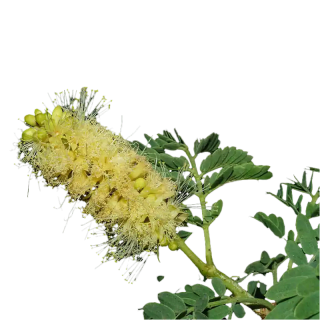
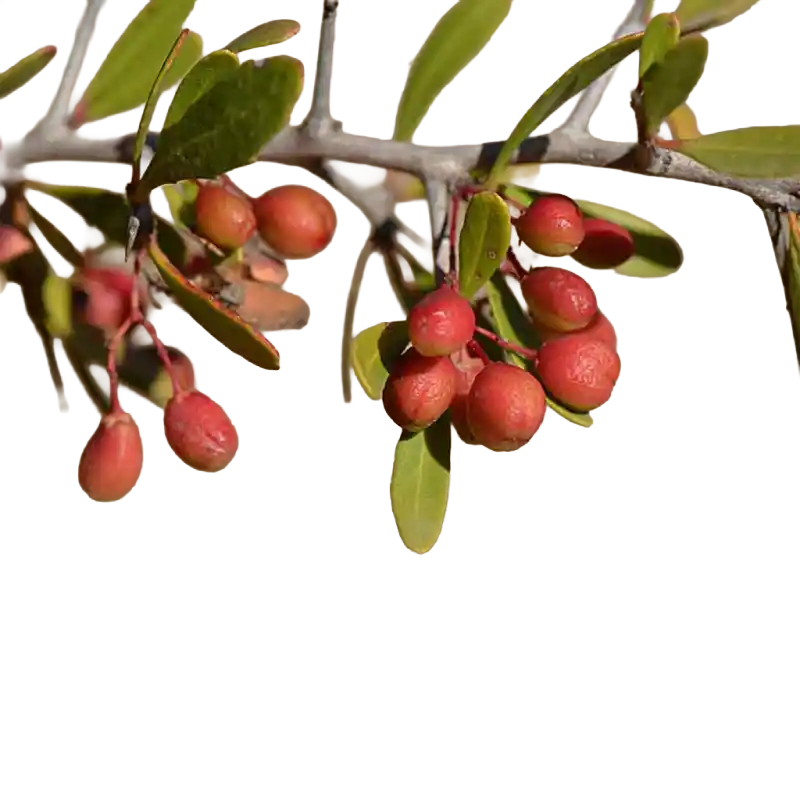
Maytenus senegalensis (confetti tree, red spike-thorn) is a widespread African and Arabian savanna tree, one of the most-used medicinal Celastraceae. Its bark, roots and leaves treat pain, inflammation, infections, diarrhoea, ulcers and wounds, and it is well studied for anti-inflammatory, analgesic, antimicrobial and antioxidant activity.الميتينوس السنغالي (Maytenus senegalensis، الشوكة الحمراء) شجرة سافانا إفريقية وعربية واسعة الانتشار، من أكثر نباتات فصيلة الـCelastraceae الطبية استعمالاً. ويعالج لحاؤها وجذورها وأوراقها الألم والالتهاب والعدوى والإسهال والقرح والجروح، وهي مدروسة جيداً لنشاطها المضاد للالتهاب والمسكّن والمضاد للميكروبات والأكسدة.
Categoryالفئة
• African savanna medicinal tree (Celastraceae)
• Anti-inflammatory & analgesic (studied)
• Antimicrobial & antioxidant
• Antidiarrhoeal & digestive
• Antiulcer & wound-healing• شجرة سافانا طبية إفريقية (فصيلة الـCelastraceae)
• مضادّة للالتهاب ومسكّنة (مدروسة)
• مضادّة للميكروبات والأكسدة
• مضادّة للإسهال وهاضمة
• مضادّة للقرحة ومُلئِمة للجروح
Habitatالموطن
A thorny shrub or small tree of savanna, woodland and dry hills across Africa and into Arabia.جُنَيبة شائكة أو شجرة صغيرة في السافانا والأحراش والتلال الجافة عبر إفريقيا وحتى الجزيرة.
Parts usedالأجزاء المستخدمة
• Bark
• Roots
• Leaves• اللحاء
• الجذور
• الأوراق
Key constituentsالمكوّنات الفعّالة
• Quinone-methide triterpenoids (maytenin, pristimerin)
• Flavonoids
• Tannins
• Sesquiterpene alkaloids
• Phenolic acids• تريتربينويدات كينون-ميثيدية (ميتينين، بريستيميرين)
• فلافونويدات
• تانينات
• قلويدات سسكِويتربينية
• أحماض فينولية
Researchالأبحاث
Maytenus senegalensis is well documented: studies of its root and bark report anti-inflammatory, analgesic, antimicrobial, antioxidant, antiulcer and antimalarial activity, driven partly by its quinone-methide triterpenoids (pristimerin/maytenin), which are bioactive but can be potent. This supports its wide traditional use for pain, infection and gut complaints. Evidence is preclinical.الميتينوس السنغالي موثّقٌ جيداً: تذكر دراسات جذره ولحائه نشاطاً مضاداً للالتهاب ومسكّناً ومضاداً للميكروبات والأكسدة والقرحة والملاريا، مدفوعاً جزئياً بتريتربينويداته الكينون-ميثيدية (بريستيميرين/ميتينين) الفعّالة القويّة أحياناً. وهذا يدعم استعماله التقليدي الواسع للألم والعدوى وشكاوى الأمعاء. والأدلة قبل سريرية.
Published researchأبحاث منشورة
Traditional useالاستخدام التقليدي
Used across Africa and Arabia for pain, inflammation and rheumatism, for infections, fever and malaria, for diarrhoea, dysentery, ulcers and stomach complaints, for chest complaints, for toothache and mouth problems (chewing sticks), and on wounds, sores and snakebite.يُستعمل عبر إفريقيا والجزيرة للألم والالتهاب والروماتزم وللعدوى والحمّى والملاريا وللإسهال والزحار والقرح وشكاوى المعدة ولشكاوى الصدر ولوجع الأسنان ومشكلات الفم (أعواد مضغ) وعلى الجروح والقروح ولدغ الأفاعي.
Current useالاستخدام الحالي
Used as a widely-taken African/Arabian folk remedy for pain, infection, ulcers and diarrhoea; studied for anti-inflammatory and antimicrobial activity.يُستعمل علاجاً شعبياً إفريقياً/عربياً واسع الأخذ للألم والعدوى والقرح والإسهال؛ ويُدرَس لنشاطه المضاد للالتهاب والميكروبات.
Preparationsالتحضيرات
• Bark/root decoction
• Chewing stick (teeth)
• Topical wash/poultice
• Powder• مغليّ اللحاء/الجذر
• عود مضغ (للأسنان)
• غسول/لبخة موضعية
• مسحوق
Used for these conditionsيُستخدم لهذه الحالات
Adult dosageجرعة البالغين
Bark/root decoction in traditional amounts; chewing stick for teeth; per traditional practice.مغليّ اللحاء/الجذر بكميات تقليدية؛ عود مضغٍ للأسنان؛ بحسب الممارسة التقليدية.
Child dosageجرعة الأطفال
Medicinal preparations only with knowledgeable guidance.المستحضرات الطبية بإرشادٍ خبير فقط.
Cautionتحذيرات
Widely used and generally tolerated in traditional practice, but it belongs to the Celastraceae and contains potent quinone-methide triterpenoids (pristimerin/maytenin) that can be cytotoxic at high doses. Keep to modest traditional amounts, avoid in pregnancy, use knowledgeable sourcing, and do not rely on it alone for malaria or serious infection.واسع الاستعمال ويُحتمَل عموماً في الممارسة التقليدية، لكنّه من فصيلة الـCelastraceae ويحوي تريتربينويدات كينون-ميثيدية قويّة (بريستيميرين/ميتينين) قد تكون سامّة للخلايا بجُرَعٍ عالية. ويُلتزَم بكميات تقليدية معتدلة، ويُتجنَّب في الحمل، ويُعتمَد مصدرٌ خبير، ولا يُعتمَد عليه وحده في الملاريا أو العدوى الشديدة.
Pregnancy & nursingالحمل والرضاعة
Avoid in pregnancy — Celastraceae quinone-methide constituents can be potent; not established as safe.يُتجنَّب في الحمل — مركّبات الفصيلة الكينون-ميثيدية قد تكون قويّة؛ وغير مثبت الأمان.