
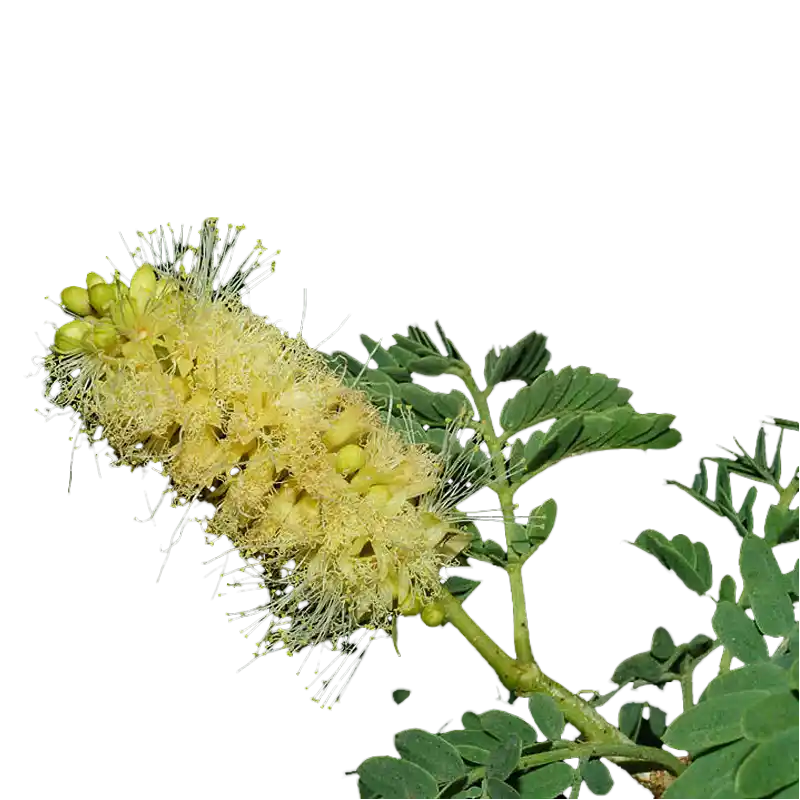
Introductionمقدّمة
Faidherbia albida (winter thorn, apple-ring acacia; formerly Acacia albida) is a large, ecologically vital Sahelian acacia famous for enriching farm soils. Its bark, leaves, pods and roots are used in African folk medicine for diarrhoea, fever, respiratory and skin complaints and pain, and extracts show antimicrobial and antioxidant activity.الحَرَاز (Faidherbia albida، أكاسيا حلقة التفاح؛ سابقاً Acacia albida) أكاسيا سّاحلية كبيرة حيوية بيئياً تشتهر بإغناء تربة المزارع. ويُستعمل لحاؤها وأوراقها وقرونها وجذورها في الطبّ الشعبي الإفريقي للإسهال والحمّى وشكاوى التنفّس والجلد والألم، وتُظهر المستخلصات نشاطاً مضاداً للميكروبات والأكسدة.
Categoryالفئة
• Sahelian acacia (formerly Acacia albida)
• Antimicrobial & antioxidant
• Antidiarrhoeal & astringent
• Fever & respiratory remedy (traditional)
• Key agroforestry & fodder tree• أكاسيا سّاحلية (سابقاً Acacia albida)
• مضادّة للميكروبات والأكسدة
• مضادّة للإسهال وقابضة
• علاجٌ للحمّى والتنفّس (تقليدي)
• شجرة زراعة حراجية وعلف رئيسة
Habitatالموطن
A large deciduous acacia of the Sahel and semi-arid Africa (and into the Middle East), notable for shedding leaves in the wet season; a keystone agroforestry tree.أكاسيا نفضية كبيرة في السّاحل وإفريقيا شبه القاحلة (وحتى الشرق الأوسط)، تتميّز بإسقاط ورقها في موسم المطر؛ شجرة زراعة حراجية أساسية.
Parts usedالأجزاء المستخدمة
• Bark
• Leaves
• Pods
• Roots• اللحاء
• الأوراق
• القرون
• الجذور
Key constituentsالمكوّنات الفعّالة
• Tannins
• Flavonoids
• Alkaloids
• Saponins
• Phenolic acids• تانينات
• فلافونويدات
• قلويدات
• صابونينات
• أحماض فينولية
Researchالأبحاث
Faidherbia albida stem-bark and other extracts show antimicrobial and antioxidant activity in laboratory studies, in keeping with its traditional antidiarrhoeal and antipyretic use; the tree is best known agronomically as a soil-enriching agroforestry species. Medicinal evidence is preclinical and ethnobotanical.تُظهر مستخلصات لحاء ساق الحَرَاز وغيرها نشاطاً مضاداً للميكروبات والأكسدة في الدراسات المخبرية، بما يوافق استعماله التقليدي المضاد للإسهال والخافض للحرارة؛ والشجرة أشهر زراعياً نوعاً حراجياً مُغنياً للتربة. والدليل الطبي قبل سريري وإثنوبوتاني.
Published researchأبحاث منشورة
Traditional useالاستخدام التقليدي
Used across the Sahel for diarrhoea and dysentery, for fever and malaria, for coughs, colds and chest complaints, for toothache and mouth problems, for pain and rheumatism, and on wounds and skin infections; pods and leaves are important fodder.يُستعمل عبر السّاحل للإسهال والزحار وللحمّى والملاريا وللسعال والزكام وشكاوى الصدر ولوجع الأسنان ومشكلات الفم وللألم والروماتزم وعلى الجروح وعدوى الجلد؛ والقرون والأوراق علفٌ مهمّ.
Current useالاستخدام الحالي
Used as a Sahelian folk remedy for diarrhoea, fever and infection; a keystone agroforestry/fodder tree; studied for antimicrobial activity.يُستعمل علاجاً سّاحلياً شعبياً للإسهال والحمّى والعدوى؛ وشجرة زراعة حراجية/علف أساسية؛ ويُدرَس لنشاطه المضاد للميكروبات.
Preparationsالتحضيرات
• Bark/leaf decoction
• Chewing stick (teeth)
• Topical wash/poultice
• Pod/leaf fodder• مغليّ اللحاء/الورق
• عود مضغ (للأسنان)
• غسول/لبخة موضعية
• قرون/ورق علفاً
Used for these conditionsيُستخدم لهذه الحالات
☾ Prophetic reference☾ إشارة نبوية
Faidherbia albida is one of the acacia/thorn trees (formerly Acacia albida) of the wider ṭalḥ/acacia group named among the trees of Paradise in the Qur'an (Sūrat al-Wāqi'ah). This is a linguistic/heritage association with the acacia group rather than a specific prophetic medicinal prescription for this species.الحَرَاز (Faidherbia albida، سابقاً Acacia albida) من أشجار الأكاسيا/الطلح ضمن مجموعة الطلح المذكورة بين أشجار الجنّة في القرآن (سورة الواقعة). وهذا ارتباطٌ لغوي/تراثي بمجموعة الأكاسيا لا وصفةٌ نبوية طبية بعينها لهذا النوع.
Adult dosageجرعة البالغين
Bark/leaf decoction in traditional amounts; per traditional practice.مغليّ اللحاء/الورق بكميات تقليدية؛ بحسب الممارسة التقليدية.
Child dosageجرعة الأطفال
Medicinal preparations only with knowledgeable guidance.المستحضرات الطبية بإرشادٍ خبير فقط.
Cautionتحذيرات
The tannin-rich bark is astringent — strong long-term internal use is hard on the stomach and can reduce iron/nutrient absorption, so take it apart from meals and medicines. Dosing is not standardised; avoid in pregnancy and do not rely on it alone for malaria or serious infection.اللحاء الغنيّ بالتانين قابض — والاستعمال الداخلي القوي الطويل شاقّ على المعدة وقد يقلّل امتصاص الحديد/المغذّيات، فيُؤخذ بعيداً عن الطعام والأدوية. والجرعة غير مقنّنة؛ فيُتجنَّب في الحمل ولا يُعتمَد عليه وحده في الملاريا أو العدوى الشديدة.
Pregnancy & nursingالحمل والرضاعة
Avoid medicinal doses in pregnancy — not established as safe.تُتجنَّب الجُرَع الطبية في الحمل — غير مثبتة الأمان.


