Introductionمقدّمة
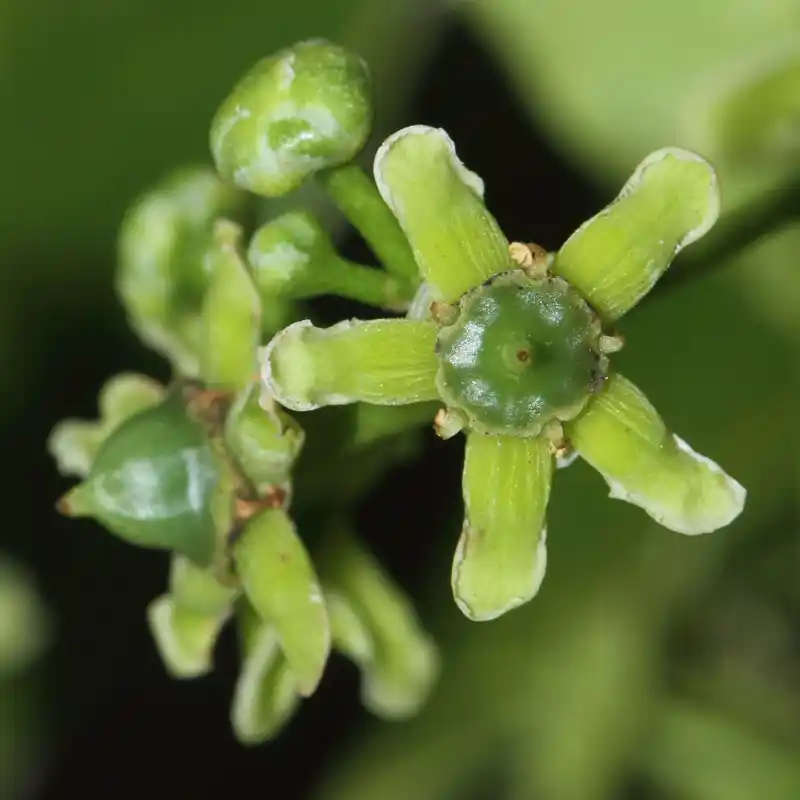
Cassine transvaalensis (Transvaal saffronwood; also placed in Elaeodendron) is a southern African tree of the Celastraceae used in folk medicine for stomach and digestive complaints and infections. Research has isolated bioactive compounds with anti-staphylococcal and anti-HIV activity from it — but the Celastraceae family includes potent and sometimes toxic constituents, so it is used cautiously.الكاسين ترانسفالي (Cassine transvaalensis، ويُوضَع أيضاً في Elaeodendron) شجرة جنوب إفريقية من فصيلة الـCelastraceae تُستعمل في الطبّ الشعبي لشكاوى المعدة والهضم والعدوى. وعزلت البحوث منها مركّبات فعّالة ذات نشاط ضدّ العنقودية وضدّ HIV — لكنّ الفصيلة تضمّ مركّبات قويّة وسامّة أحياناً، فتُستعمل بحذر.
Categoryالفئة
• Southern African medicinal tree (Celastraceae)
• Antimicrobial (anti-staphylococcal) & studied anti-HIV constituents
• Antioxidant
• Digestive & astringent (traditional)
• CAUTION: Celastraceae — use with care• شجرة طبية جنوب إفريقية (فصيلة اللبلابيات الشوكية)
• مضادّة للميكروبات (ضدّ العنقودية) ومركّبات مدروسة ضدّ HIV
• مضادّة للأكسدة
• هاضمة وقابضة (تقليدي)
• تنبيه: فصيلة الـCelastraceae — تُستعمل بحذر
Habitatالموطن
A small to medium evergreen tree of woodland and bushveld in South Africa, Eswatini and neighbouring countries.شجرة صغيرة إلى متوسّطة دائمة الخضرة في الأحراش والبُشفلد في جنوب إفريقيا وإسواتيني والبلدان المجاورة.
Parts usedالأجزاء المستخدمة
• Bark
• Roots
• Leaves• اللحاء
• الجذور
• الأوراق
Key constituentsالمكوّنات الفعّالة
• Triterpenes (celastrol-type)
• Quinone-methide triterpenoids
• Tannins
• Flavonoids
• Phenolic acids• تريتربينات (من نمط السيلاسترول)
• تريتربينويدات كينون-ميثيدية
• تانينات
• فلافونويدات
• أحماض فينولية
Researchالأبحاث
A study of four South African medicinal plants isolated bioactive compounds from Cassine transvaalensis with anti-staphylococcal and anti-HIV activity, and Celastraceae reviews note their quinone-methide triterpenoids (celastrol-type) with strong but potentially cytotoxic bioactivity. Evidence is in-vitro; because the family carries toxic constituents, medicinal use should be cautious and guided.عزلت دراسةٌ لأربعة نباتات طبية جنوب إفريقية من الكاسين ترانسفالي مركّبات فعّالة ذات نشاط ضدّ العنقودية وضدّ HIV، وتشير مراجعات فصيلة الـCelastraceae إلى تريتربينويداتها الكينون-ميثيدية (من نمط السيلاسترول) بفعّالية قوية لكن سامّة للخلايا محتملة. والأدلة مخبرية؛ ولأنّ الفصيلة تحمل مركّبات سامّة، ينبغي أن يكون الاستعمال الطبي حذِراً ومُوجَّهاً.
Published researchأبحاث منشورة
Traditional useالاستخدام التقليدي
Used in southern African traditional medicine for stomach and digestive complaints and diarrhoea, for infections, and as an astringent bark/root remedy; some Celastraceae are also used ritually and as tonics.تُستعمل في الطبّ الجنوب إفريقي التقليدي لشكاوى المعدة والهضم والإسهال وللعدوى وعلاجاً قابضاً من اللحاء/الجذر؛ وبعض الـCelastraceae تُستعمل أيضاً طقسياً ومقوّيات.
Current useالاستخدام الحالي
Used in southern African herbal practice for digestive complaints and infections; studied for anti-staphylococcal and anti-HIV constituents.تُستعمل في الطبّ العشبي الجنوب إفريقي لشكاوى الهضم والعدوى؛ وتُدرَس لمركّباتها المضادة للعنقودية وHIV.
Preparationsالتحضيرات
• Bark/root decoction (guided)
• Astringent preparation• مغليّ اللحاء/الجذر (مُوجَّه)
• مستحضر قابض
Used for these conditionsيُستخدم لهذه الحالات
Adult dosageجرعة البالغين
Bark/root decoction in small traditional amounts under knowledgeable guidance.مغليّ اللحاء/الجذر بكميات تقليدية صغيرة تحت إرشادٍ خبير.
Child dosageجرعة الأطفال
Not recommended for children.لا يُنصَح به للأطفال.
Cautionتحذيرات
Use with real caution. This tree belongs to the Celastraceae, a family known for potent quinone-methide triterpenoids that can be cytotoxic; dosing is not standardised. Keep to small, guided amounts, avoid in pregnancy and children, and do not self-treat serious conditions with it — this is best left to knowledgeable practitioners.يُستعمل بحذرٍ حقيقي. فهذه الشجرة من فصيلة الـCelastraceae المعروفة بتريتربينويدات كينون-ميثيدية قويّة قد تكون سامّة للخلايا؛ والجرعة غير مقنّنة. ويُلتزَم بكميات صغيرة مُوجَّهة، ويُتجنَّب في الحمل والأطفال، ولا يُعالَج به الحالات الخطيرة ذاتياً — والأولى تركه لمختصّين خبراء.
Pregnancy & nursingالحمل والرضاعة
Avoid in pregnancy — Celastraceae constituents can be potent/toxic; not safe.يُتجنَّب في الحمل — مركّبات الفصيلة قد تكون قويّة/سامّة؛ وغير آمن.