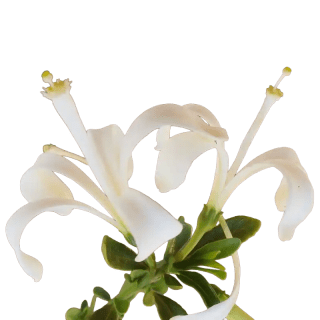
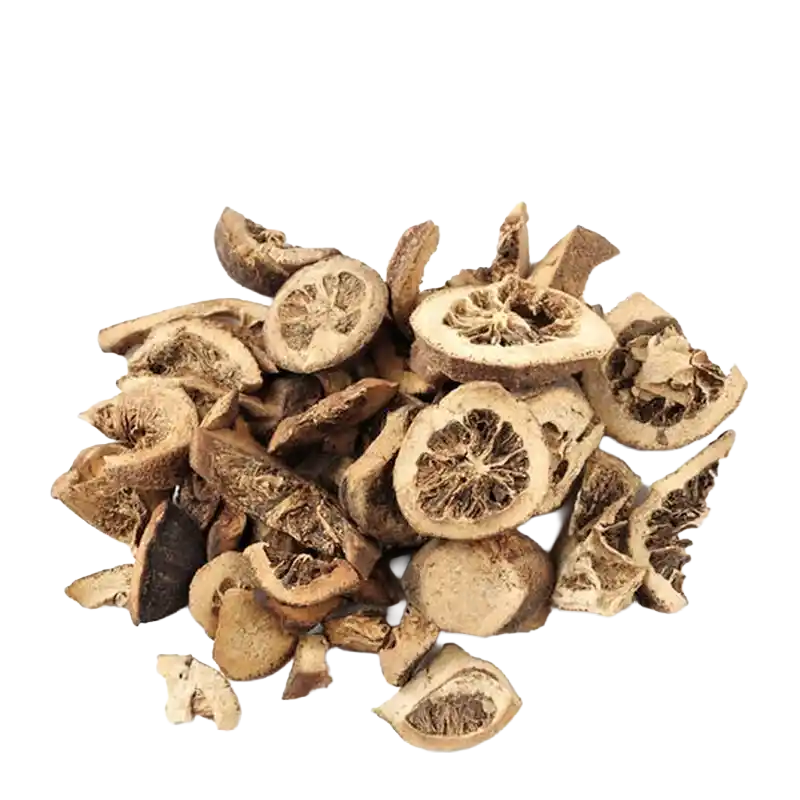
Introductionمقدّمة
Poncirus trifoliata (syn. Citrus trifoliata; trifoliate/bitter orange) is a hardy thorny citrus whose immature and mature fruits are a source of 'zhi shi' and 'zhi ke' — strong qi-moving bitter citrus drugs used in Chinese medicine to 'break up qi stagnation, reduce food accumulation and fullness and unblock the bowels' — for bloating, distension, fullness and constipation, food stagnation, and (with tonics) prolapse. Its flavonoids (naringin, poncirin, hesperidin) give researched prokinetic, anti-inflammatory, gastroprotective and antioxidant activity. NOTE: being a strong qi-mover it is avoided in pregnancy.البرتقال ثلاثي الأوراق (Poncirus trifoliata، مرادف Citrus trifoliata) حمضيّ شائك صلب ثمرته غير الناضجة والناضجة مصدرٌ لـ«تشي شي» و«تشي كه» — أدوية حمضية مرّة قويّة محرّكة للتشي تُستعمل في الطبّ الصيني «لكسر ركود التشي وتقليل تراكم الطعام والامتلاء وفتح الأمعاء» — للانتفاخ والتمدّد والامتلاء والإمساك وركود الطعام و(مع المقوّيات) الهبوط. وفلافونويداتها (نارينجين، بونسيرين، هيسبيريدين) تمنح نشاطاً مدروساً محرّكاً للأمعاء ومضاداً للالتهاب وواقياً للمعدة ومضاداً للأكسدة. ملاحظة: كونها محرّكة قويّة للتشي تُتجنّب في الحمل.
Categoryالفئة
• Strong qi-breaking bitter citrus fruit (Rutaceae) ⚠️
• Trifoliate-orange fruit — moves qi, breaks stagnation, aids digestion
• Prokinetic, anti-inflammatory & gastroprotective (flavonoids, studied)
• Antioxidant & antimicrobial
• ⚠️ Strong qi-mover — avoid in pregnancy• ثمرة حمضية مرّة قويّة كاسرة للتشي (الفصيلة السذابية) ⚠️
• ثمرة البرتقال ثلاثي الأوراق — تحرّك التشي وتكسر الركود وتعين الهضم
• محرّكة للأمعاء ومضادّة للالتهاب وواقية للمعدة (فلافونويدات، مدروسة)
• مضادّة للأكسدة والميكروبات
• ⚠️ محرّكة قويّة للتشي — تُتجنّب في الحمل
Habitatالموطن
A cold-hardy thorny citrus shrub/small tree of East Asia, grown for fruit and as rootstock; the dried immature/mature fruit is used.شجيرة/شجرة حمضية شائكة صلبة البرد في شرق آسيا، تُزرَع للثمر وأصلاً للتطعيم؛ تُستعمل الثمرة المجفّفة غير الناضجة/الناضجة.
Parts usedالأجزاء المستخدمة
• Immature fruit (zhi shi)
• Mature/near-ripe fruit (zhi ke)• الثمرة غير الناضجة (تشي شي)
• الثمرة الناضجة/شبه الناضجة (تشي كه)
Key constituentsالمكوّنات الفعّالة
• Flavonoids (naringin, poncirin, hesperidin, neohesperidin)
• Synephrine-type amines
• Essential oil (limonene)
• Coumarins
• Pectin• فلافونويدات (نارينجين، بونسيرين، هيسبيريدين، نيوهيسبيريدين)
• أمينات من نوع السينفرين
• زيت طيّار (ليمونين)
• كومارينات
• بكتين
Researchالأبحاث
Ponciri fructus (Poncirus trifoliata) and its flavonoids naringin, poncirin, hesperidin and neohesperidin are reviewed for prokinetic (gut-motility), anti-inflammatory, gastroprotective, antioxidant, antimicrobial and hypoglycaemic activity, supporting its traditional qi-moving, digestive use; studies also report anti-hyperalgesic and gastric-protective effects of its flavanones. Evidence is chiefly preclinical.يُراجَع ثمرة البونسيروس (Poncirus trifoliata) وفلافونويداتها نارينجين وبونسيرين وهيسبيريدين ونيوهيسبيريدين لنشاطٍ محرّك للأمعاء ومضاد للالتهاب وواقٍ للمعدة ومضاد للأكسدة والميكروبات وخافض للسكّر، بما يدعم استعمالها التقليدي المحرّك للتشي والهاضم؛ وتُبلّغ الدراسات أيضاً عن تأثيراتٍ مضادّة لفرط الألم وواقية للمعدة لفلافانوناتها. والأدلة أوّلية غالباً.
Published researchأبحاث منشورة
Traditional useالاستخدام التقليدي
Dried immature fruit ('zhi shi', stronger) and mature fruit ('zhi ke', milder) decocted in Chinese medicine to 'break up qi stagnation, reduce accumulation and distension and unblock the bowels' — for abdominal and epigastric fullness, bloating and pain, food stagnation and constipation, phlegm blocking the chest, and (combined with qi-tonics) organ prolapse; foundational qi-regulating digestive herbs.تُغلى الثمرة غير الناضجة المجفّفة («تشي شي» الأقوى) والناضجة («تشي كه» الألطف) في الطبّ الصيني «لكسر ركود التشي وتقليل التراكم والتمدّد وفتح الأمعاء» — لامتلاء البطن والشرسوف والانتفاخ والألم وركود الطعام والإمساك والبلغم الساد للصدر و(مع مقوّيات التشي) هبوط الأعضاء؛ أعشابٌ هاضمة منظّمة للتشي أساسية.
Current useالاستخدام الحالي
Strong qi-breaking bitter citrus fruits (zhi shi/zhi ke source) with researched prokinetic, anti-inflammatory and gastroprotective flavonoids — used for bloating, food stagnation and constipation.ثمار حمضية مرّة قويّة كاسرة للتشي (مصدر تشي شي/تشي كه) بفلافونويدات محرّكة للأمعاء ومضادّة للالتهاب وواقية للمعدة مدروسة — تُستعمل للانتفاخ وركود الطعام والإمساك.
Preparationsالتحضيرات
• Immature-fruit (zhi shi) decoction
• Mature-fruit (zhi ke) decoction
• In qi-regulating/digestive formulas• مغلي الثمرة غير الناضجة (تشي شي)
• مغلي الثمرة الناضجة (تشي كه)
• في خلطات منظّمة للتشي/هاضمة
Used for these conditionsيُستخدم لهذه الحالات
Adult dosageجرعة البالغين
Fruit decoction in modest traditional amounts per Chinese practice (zhi shi stronger, zhi ke gentler), usually within qi-regulating/digestive formulas.مغلي الثمرة بكميات تقليدية معتدلة بحسب الممارسة الصينية (تشي شي أقوى، تشي كه ألطف)، غالباً ضمن خلطات منظّمة للتشي/هاضمة.
Child dosageجرعة الأطفال
Used (in formulas) for children's food stagnation/bloating under professional guidance.يُستعمل (في الخلطات) لركود الطعام/الانتفاخ عند الأطفال بإرشاد مختصّ.
Cautionتحذيرات
⚠️ A strong qi-'breaking' herb, so it can weaken or over-drain those with weak spleen-qi or deficiency and is used cautiously and short-term in such cases; avoid in pregnancy. Its synephrine-type amines are mildly stimulant and, in large amounts or concentrated extracts, could raise heart rate/blood pressure and interact with stimulant or blood-pressure drugs and MAOIs — use caution with heart conditions. Distinguish 'zhi shi'/'zhi ke' sources and use under guidance.⚠️ عشبة قويّة «كاسرة» للتشي، فقد تُضعِف أو تفرط في تصريف ذوي ضعف تشي الطحال أو النقص وتُستعمل بحذر ولفترة قصيرة عندهم؛ وتُتجنّب في الحمل. وأميناتها من نوع السينفرين منبّهة خفيفاً وقد ترفع النبض/الضغط بكميات كبيرة أو مستخلصات مركّزة وتتداخل مع أدوية التنبيه أو الضغط ومثبّطات MAO — يُحذَر مع أمراض القلب. وتُميَّز مصادر «تشي شي»/«تشي كه» وتُستعمل بإرشاد.
Pregnancy & nursingالحمل والرضاعة
⚠️ Strong qi-breaking action (traditionally noted to affect the uterus) — avoid in pregnancy.⚠️ فعل قويّ كاسر للتشي (يُذكَر تقليدياً تأثيره في الرحم) — يُتجنّب في الحمل.