Introductionمقدّمة
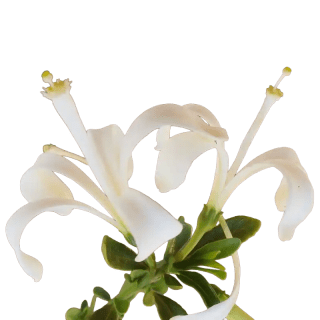
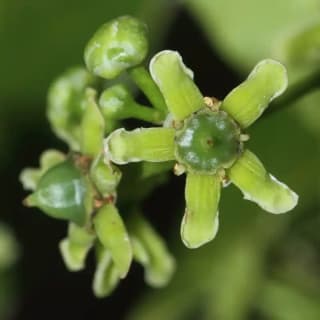
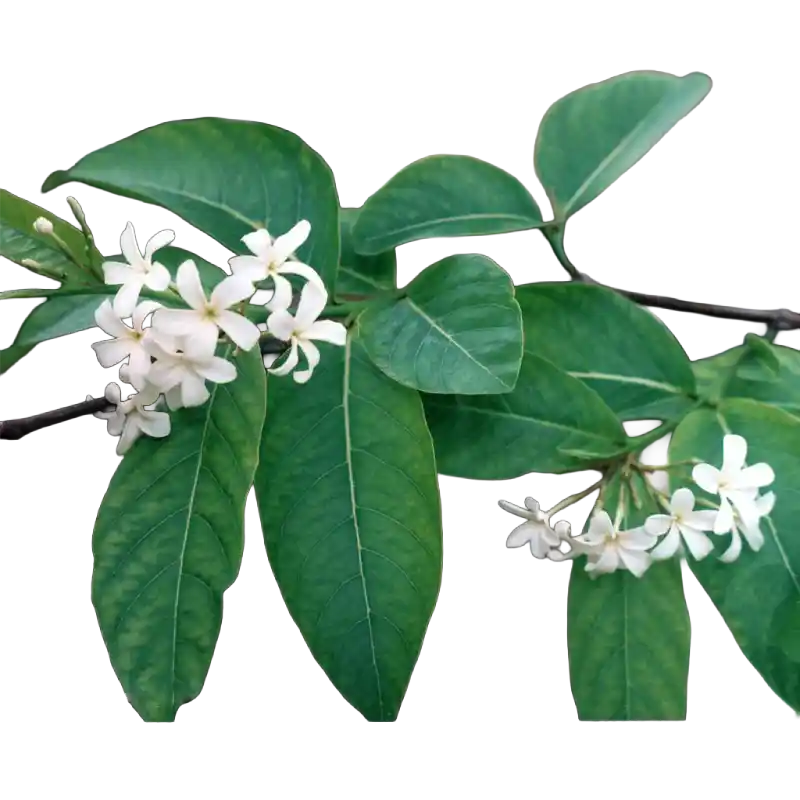
Holarrhena pubescens — Kutaja, “that which conquers dysentery” — is a tree whose bark and seeds are one of Ayurveda’s classic remedies for diarrhoea, dysentery and amoebic infection.الكُرشي (Holarrhena pubescens) — «كوتاجا»، أي «قاهر الزحار» — شجرةٌ يُعدّ لحاؤها وبذورها من أشهر علاجات الأيورفيدا للإسهال والزحار وعدوى الأميبا.
Categoryالفئة
• Antidiarrhoeal / antidysenteric
• Antimicrobial / antiamoebic
• Anti-inflammatory
• Antioxidant
• Astringent• مضادّ للإسهال / الزحار
• مضاد للميكروبات / الأميبا
• مضاد للالتهاب
• مضاد للأكسدة
• قابض
Habitatالموطن
Native to the Indian subcontinent and Africa; a deciduous tree of dry forests and hillsides.موطنها شبه القارة الهندية وإفريقيا؛ شجرةٌ نفضيّة في الغابات الجافّة والسفوح.
Parts usedالأجزاء المستخدمة
• Bark (primary)
• Seeds
• Root• اللحاء (الأساس)
• البذور
• الجذر
Key constituentsالمكوّنات الفعّالة
• Steroidal alkaloids (conessine, holarrhenine)
• Kurchi alkaloids
• Tannins
• Sterols
• Triterpenes• قلويدات ستيرويدية (كونيسين، هولارينين)
• قلويدات الكُرشي
• عفص
• ستيرولات
• تربينات ثلاثية
Researchالأبحاث
The bark’s steroidal alkaloid conessine underlies a long-documented action against amoebic dysentery and diarrhoea; modern reviews confirm antimicrobial, antidiarrhoeal, anti-inflammatory and antioxidant activity in the lab and in animals. Controlled human trials remain limited.يقوم قلويد اللحاء الستيرويدي «كونيسين» وراء فعاليةٍ موثّقة قديماً ضدّ الزحار الأميبي والإسهال؛ وتؤكّد المراجعات الحديثة نشاطاً مضادّاً للميكروبات والإسهال والالتهاب والأكسدة مخبرياً وحيوانياً. وما زالت التجارب البشرية المضبوطة محدودة.
Traditional useالاستخدام التقليدي
Used in Ayurveda for diarrhoea, dysentery (especially amoebic) and other bowel complaints, and as an astringent for the digestive tract.تُستعمل في الأيورفيدا للإسهال والزحار (خاصةً الأميبي) وسائر شكاوى الأمعاء، وقابضاً للجهاز الهضمي.
Current useالاستخدام الحالي
Taken as bark powder, decoction and extracts, and included in Ayurvedic antidiarrhoeal formulas (e.g. Kutajarishta).يُؤخذ مسحوق لحاء ومغليّاً ومستخلصات، ويدخل في تركيبات الأيورفيدا المضادة للإسهال (مثل «كوتاجاريشتا»).
Preparationsالتحضيرات
Bark powder, Decoction, Extractمسحوق اللحاء، مغليّ، مستخلص
Used for these conditionsيُستخدم لهذه الحالات
Adult dosageجرعة البالغين
Traditional use per practitioner; for extracts follow the product. No single established dose.تقليدياً بحسب المختصّ؛ وللمستخلصات اتّبع الإرشاد. ولا توجد جرعة موحّدة.
Child dosageجرعة الأطفال
Use only under professional guidance for children.لا يُستعمل للأطفال إلا بإشراف مختصّ.
Cautionتحذيرات
Generally well tolerated at traditional doses, but the concentrated alkaloids can be toxic in excess; do not exceed recommended amounts. Persistent or bloody diarrhoea needs medical assessment rather than self-treatment.جيّد التحمّل بالجرعات التقليدية عموماً، لكن قلويداته المركّزة قد تكون سامّة بالإفراط؛ لا تتجاوز الكميات المُوصى بها. والإسهال المستمرّ أو المدمّى يحتاج تقييماً طبياً لا علاجاً ذاتياً.
Pregnancy & nursingالحمل والرضاعة
Not well studied in pregnancy — avoid therapeutic doses; consult a doctor.غير مدروسٍ جيداً في الحمل — تُتجنَّب الجرعات العلاجية؛ يُستشار الطبيب.