Introductionمقدّمة
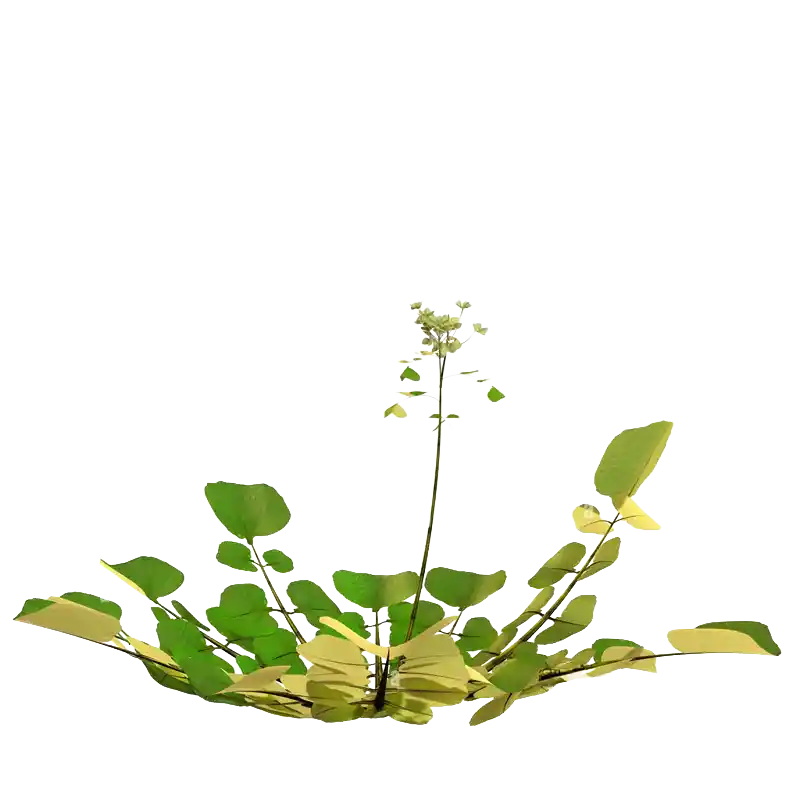
Cardamine hirsuta (hairy bittercress) is a small mustard-family weed whose peppery, cress-like leaves are edible raw in salads and as a garnish. Like other Brassica greens it is rich in vitamin C and antioxidants with antimicrobial properties, and in folk use it is a cooling, mildly stimulating digestive and 'blood-cleansing' spring green, sometimes applied to skin.حُرَيف الأرض المُشعِر (Cardamine hirsuta) عشبة ضارّة صغيرة من الفصيلة الخردلية أوراقها اللاذعة كالرشاد صالحة للأكل نيئة في السلطات وزينةً. وكسائر خضار الكرنبيات غنية بفيتامين C ومضادات الأكسدة بخصائص مضادة للميكروبات، وفي الاستعمال الشعبي هي خضار ربيعية مبرّدة منبّهة خفيفة هاضمة و«منقّية للدم»، وتُوضَع أحياناً على الجلد.
Categoryالفئة
• Edible wild herb (Brassicaceae)
• Peppery, cress-like edible weed
• Vitamin-C-rich; antioxidant & antimicrobial
• Traditional cooling & digestive green
• Mustard-family salad herb• عشبة برّية صالحة للأكل (الفصيلة الصليبية)
• عشبة ضارّة لاذعة كالرشاد صالحة للأكل
• غنية بفيتامين C؛ مضادة للأكسدة والميكروبات
• خضار مبرّدة وهاضمة تقليدية
• عشبة سلطة من الفصيلة الخردلية
Habitatالموطن
A small annual weed of gardens, paths, walls and cultivated ground across Europe, Asia and widely naturalised.عشبة حولية صغيرة ضارّة في الحدائق والممرّات والجدران والأرض المزروعة عبر أوروبا وآسيا ومتوطّنة على نطاق واسع.
Parts usedالأجزاء المستخدمة
• Leaves & tender shoots (food)• الأوراق والبراعم الطرية (غذاء)
Key constituentsالمكوّنات الفعّالة
• Glucosinolates (mustard oils)
• Vitamin C & carotenoids
• Flavonoids & phenolics
• Minerals
• Antioxidant compounds• غليكوسينولات (زيوت خردل)
• فيتامين C وكاروتينويدات
• فلافونويدات وفينولات
• معادن
• مركّبات مضادة للأكسدة
Researchالأبحاث
Cardamine hirsuta is documented as an edible wild green with antioxidant and antimicrobial properties, consistent with the mustard family's glucosinolate-rich, vitamin-C-rich profile. Its main value is as a nutritious foraged salad/garnish herb; specific pharmacological studies are limited, and evidence rests on its nutrition and the Brassica group.حُرَيف الأرض المُشعِر موثّقٌ خضاراً برّية صالحة للأكل بخصائص مضادة للأكسدة والميكروبات، بما يوافق ملمح الفصيلة الخردلية الغنيّ بالغليكوسينولات وفيتامين C. وقيمته الأساسية عشبة سلطة/زينة برّية مغذّية؛ والدراسات الدوائية المحدّدة محدودة، والأدلة تقوم على تغذيته ومجموعة الكرنبيات.
Published researchأبحاث منشورة
Traditional useالاستخدام التقليدي
Peppery young leaves eaten raw in salads, sandwiches and as a garnish (a wild cress substitute); used in folk practice as a cooling, vitamin-C-rich spring green for the blood and digestion, and occasionally applied to the skin.تُؤكَل الأوراق الفتية اللاذعة نيئة في السلطات والشطائر وزينةً (بديل رشاد برّي)؛ وتُستعمل في الممارسة الشعبية خضاراً ربيعية مبرّدة غنية بفيتامين C للدم والهضم، وتُوضَع أحياناً على الجلد.
Current useالاستخدام الحالي
A foraged peppery salad/garnish green valued for flavour and vitamin C; a wild cress with antioxidant/antimicrobial properties.خضار سلطة/زينة لاذعة برّية مُثمَّنة للنكهة وفيتامين C؛ رشادٌ برّي بخصائص مضادة للأكسدة/الميكروبات.
Preparationsالتحضيرات
• Fresh salad leaves / garnish
• In sandwiches & pestos• أوراق سلطة طازجة/زينة
• في الشطائر والبيستو
Used for these conditionsيُستخدم لهذه الحالات
Adult dosageجرعة البالغين
Fresh leaves in salads/garnish in normal culinary amounts.الأوراق الطازجة في السلطات/الزينة بكميات الطهي العادية.
Child dosageجرعة الأطفال
Safe as a food green in normal amounts.آمن خضاراً غذائية بكميات عادية.
Cautionتحذيرات
Very safe as a food. The flavour is best in fresh young leaves before flowering (older plants get tough). As with all foraging, gather from clean, unsprayed ground and identify correctly (mustard-family greens are generally harmless, but avoid roadside or contaminated sites).آمن جداً غذاءً. والطعم أفضل في الأوراق الفتية الطازجة قبل الإزهار (فالنباتات الأقدم تقسو). وكسائر الجمع، يُجمَع من أرضٍ نظيفة غير مرشوشة ويُحدَّد صحيحاً (وخضار الفصيلة الخردلية غير ضارّة عموماً، لكن تُتجنّب مواقع حواف الطرق أو الملوّثة).
Pregnancy & nursingالحمل والرضاعة
Culinary amounts are considered safe.كميات الطهي تُعدّ آمنة.