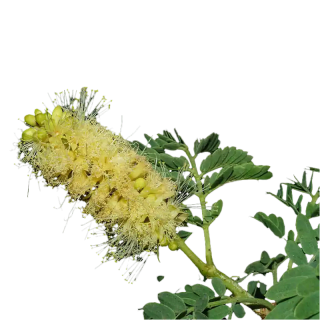
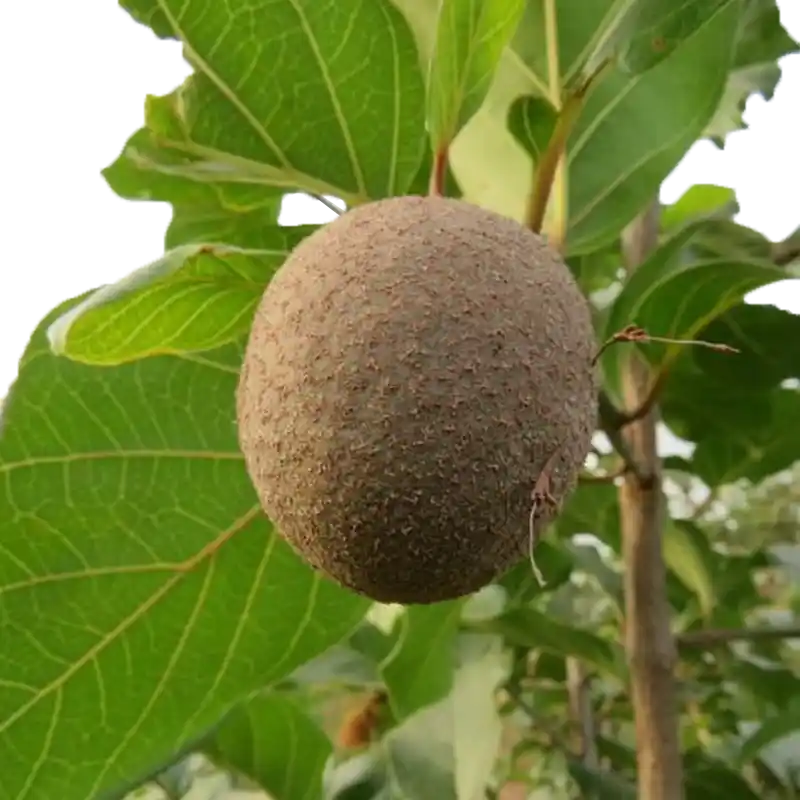
Introductionمقدّمة
Sarcocephalus latifolius (Nauclea latifolia, African peach / pin-cushion tree) is one of West Africa's most important medicinal plants — a leading traditional remedy for malaria and fevers, pain, and gut and 'blood' complaints. Its indole alkaloids give documented antimalarial, analgesic and antimicrobial activity.الخوخ الإفريقي (Sarcocephalus latifolius، وتُعرَف Nauclea latifolia) من أهمّ النباتات الدوائية في غرب إفريقيا — علاجٌ تقليدي رائد للملاريا والحمّى والألم وشكاوى الأمعاء و«الدم». وتُعطي قلويداتها الإندولية نشاطاً موثّقاً مضاداً للملاريا ومُسكِّناً ومضاداً للميكروبات.
Categoryالفئة
• Major West-African antimalarial
• Antimalarial (studied)
• Analgesic (indole alkaloids)
• Antimicrobial / antidiabetic
• Traditional fever, pain & gut remedy• مضاد للملاريا غرب إفريقيّ رئيس
• مضاد للملاريا (مدروس)
• مُسكِّن (قلويدات إندولية)
• مضاد للميكروبات/السكري
• علاجٌ تقليدي للحمّى والألم والأمعاء
Habitatالموطن
A shrub or small tree with round, red, edible peach-like fruits, of savanna across West and Central Africa.شُجيرةٌ أو شجرة صغيرة بثمارٍ حمراء مُستديرة صالحة كالخوخ، في السافانا عبر غرب ووسط إفريقيا.
Parts usedالأجزاء المستخدمة
• Roots
• Bark
• Leaves
• Fruit• الجذور
• اللحاء
• الأوراق
• الثمر
Key constituentsالمكوّنات الفعّالة
• Indole alkaloids (nauclefine, angustine)
• Glycoalkaloids
• Saponins
• Tannins
• Flavonoids• قلويدات إندولية (نوكليفين، أنجوستين)
• غليكوقلويدات
• صابونينات
• عفص
• فلافونويدات
Researchالأبحاث
Reviews and studies confirm Sarcocephalus latifolius has antimalarial, analgesic (comparable in some models to standard painkillers), antimicrobial and antidiabetic activity from its indole alkaloids — strongly supporting its central role in West-African medicine for malaria, fevers and pain. Evidence is largely preclinical, and the potent alkaloids mean cautious dosing.تؤكّد المراجعات والدراسات أن للخوخ الإفريقي نشاطاً مضاداً للملاريا ومُسكِّناً (يُقارِب في بعض النماذج المُسكِّنات القياسية) ومضاداً للميكروبات والسكري من قلويداته الإندولية — بما يدعم بقوّة دوره المحوريّ في طبّ غرب إفريقيا للملاريا والحمّى والألم. والأدلة أوّلية غالباً، والقلويدات القوية تعني جرعةً حذرة.
Published researchأبحاث منشورة
Traditional useالاستخدام التقليدي
A leading West-African remedy for malaria and fevers, pain (including toothache and childbirth pain), diarrhoea and dysentery, stomach and 'blood' complaints, diabetes, wounds and infections; the fruit is eaten.علاجٌ غرب إفريقيّ رائد للملاريا والحمّى والألم (منه ألم الأسنان والولادة) والإسهال والزحار وشكاوى المعدة و«الدم» والسكري والجروح والعدوى؛ والثمر يُؤكَل.
Current useالاستخدام الحالي
Widely used in West-African traditional medicine as root/bark decoctions; studied for its antimalarial and analgesic alkaloids.يُستعمل واسعاً في الطبّ التقليدي الغرب إفريقيّ مغليّ جذر/لحاء؛ ويُدرَس لقلويداته المضادة للملاريا والمُسكِّنة.
Preparationsالتحضيرات
Root/bark decoction, Bitter tonic, Fruit (food)مغليّ جذر/لحاء، مقوٍّ مُرّ، ثمر (غذاء)
Used for these conditionsيُستخدم لهذه الحالات
Adult dosageجرعة البالغين
Small traditional doses of root/bark decoction per practitioner; no standardised dose.جرعاتٌ تقليدية صغيرة من مغليّ الجذر/اللحاء بحسب المختصّ؛ لا جرعة موحّدة.
Child dosageجرعة الأطفال
Only under knowledgeable guidance; the fruit is a safe food.فقط بإرشاد خبير؛ والثمر غذاءٌ آمن.
Cautionتحذيرات
Contains active indole alkaloids — use only modest traditional doses, as high intake can affect the nervous system and heart. Because it is used for labour/childbirth, avoid medicinal use during pregnancy. Seek proper medical care for malaria rather than relying on the herb alone.يحوي قلويدات إندولية فعّالة — استعمِل جرعاتٍ تقليدية معتدلة فقط، فالتناول العالي قد يؤثّر في الجهاز العصبي والقلب. ولأنه يُستعمل للمخاض/الولادة، تجنّب الاستعمال الدوائي أثناء الحمل. واطلب الرعاية الطبية السليمة للملاريا بدل الاعتماد على العشبة وحدها.
Pregnancy & nursingالحمل والرضاعة
Avoid in pregnancy — used traditionally for childbirth pain/labour, so not for use during pregnancy.يُتجنَّب في الحمل — يُستعمل تقليدياً لألم الولادة/المخاض، فلا يُستعمل أثناء الحمل.