Introductionمقدّمة
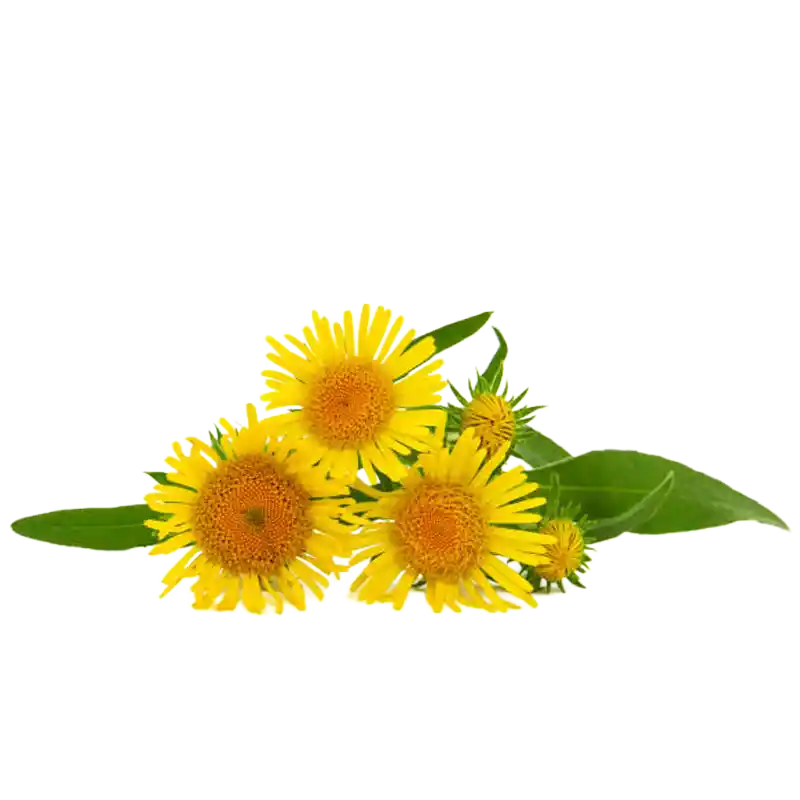
Inula britannica (British yellowhead) is a yellow daisy-like flower related to elecampane, used in traditional East-Asian and European medicine for inflammation, the chest and the liver. Its flavonoids and sesquiterpene lactones show anti-inflammatory, antioxidant and liver-protective activity.الطيّون البريطاني (Inula britannica) زهرةٌ صفراء أقحوانية قريبة من الطيّون الكبير، تُستعمل في الطبّ التقليدي الشرق آسيوي والأوروبي للالتهاب والصدر والكبد. وتُظهِر فلافونويداتها ولاكتوناتها السيسكويتربينية نشاطاً مضاداً للالتهاب والأكسدة وواقياً للكبد.
Categoryالفئة
• Elecampane-family flower
• Anti-inflammatory
• Antioxidant
• Hepatoprotective (preclinical)
• Traditional chest & digestive herb• زهرة من فصيلة الطيّون
• مضاد للالتهاب
• مضاد للأكسدة
• واقٍ للكبد (أوّلي)
• عشبة صدرٍ وهضمٍ تقليدية
Habitatالموطن
A perennial with golden yellow flowerheads, in damp meadows, ditches and riverbanks across Europe and temperate Asia.نبتةٌ مُعمّرة بنوراتٍ صفراء ذهبية، في المروج الرطبة والخنادق وضفاف الأنهار عبر أوروبا وآسيا المعتدلة.
Parts usedالأجزاء المستخدمة
• Flowers
• Aerial parts• الأزهار
• الأجزاء الهوائية
Key constituentsالمكوّنات الفعّالة
• Sesquiterpene lactones (britannin)
• Methoxy-flavonoids
• Caffeoylquinic acids
• Essential oil• لاكتونات سيسكويتربينية (بريتانين)
• فلافونويدات ميثوكسيّة
• أحماض كافيويل كينيك
• زيتٌ طيّار
Researchالأبحاث
Studies show Inula britannica flavonoids inhibit inflammatory enzymes and NO production, protect the liver against chemical injury, and act via the Nrf2 antioxidant pathway in nerve cells — supporting its traditional anti-inflammatory, chest and liver uses. The flower is a recognised traditional medicine (Inulae Flos); clinical data are limited.تُظهِر الدراسات أن فلافونويدات الطيّون البريطاني تثبّط الإنزيمات الالتهابية وإنتاج أكسيد النيتريك، وتحمي الكبد من الأذى الكيميائي، وتعمل عبر مسار Nrf2 المضاد للأكسدة في الخلايا العصبية — بما يدعم استعمالاته المضادة للالتهاب والصدرية والكبدية التقليدية. والزهرة دواءٌ تقليديّ معترَف به؛ والبيانات السريرية محدودة.
Published researchأبحاث منشورة
Traditional useالاستخدام التقليدي
Used in East-Asian and European traditional medicine as an expectorant and antitussive for coughs and phlegm, an anti-nausea and digestive remedy, and for inflammation and the liver.يُستعمل في الطبّ التقليدي الشرق آسيوي والأوروبي مُقشِّعاً ومضاداً للسعال للسعال والبلغم، ودواءً مضاداً للغثيان وهاضماً، وللالتهاب والكبد.
Current useالاستخدام الحالي
Used as the flower drug in traditional cough and digestive formulas; studied for anti-inflammatory compounds.يُستعمل زهرةً دوائية في تركيبات السعال والهضم التقليدية؛ ويُدرَس لمركّباته المضادة للالتهاب.
Preparationsالتحضيرات
Flower infusion, Decoction, Traditional formulaنقيع أزهار، مغليّ، تركيبة تقليدية
Used for these conditionsيُستخدم لهذه الحالات
Adult dosageجرعة البالغين
Flower infusion/decoction, roughly 1.5–3 g, per traditional practice.نقيع/مغليّ أزهار، نحو 1.5–3 غ، بحسب الممارسة التقليدية.
Child dosageجرعة الأطفال
Only under professional guidance.فقط بإشراف مختصّ.
Cautionتحذيرات
Generally well tolerated in traditional amounts. As a daisy-family plant it can cause allergy in sensitive people, and the sesquiterpene lactones can occasionally irritate. Strain flower teas well (fine hairs). Use modest amounts and seek guidance for ongoing use.جيّد التحمّل عموماً بالكميات التقليدية. وكنبتةٍ من فصيلة الأقحوان قد يسبّب تحسّساً لدى الحسّاسين، وقد تُهيّج اللاكتونات السيسكويتربينية أحياناً. صفِّ شاي الأزهار جيداً (الزُّغيبات الدقيقة). استعمِل كميات معتدلة واطلب الإرشاد للاستعمال المستمرّ.
Pregnancy & nursingالحمل والرضاعة
Avoid medicinal doses in pregnancy — not established as safe.تُتجنَّب الجرعات الدوائية في الحمل — غير مثبتة الأمان.