Introductionمقدّمة
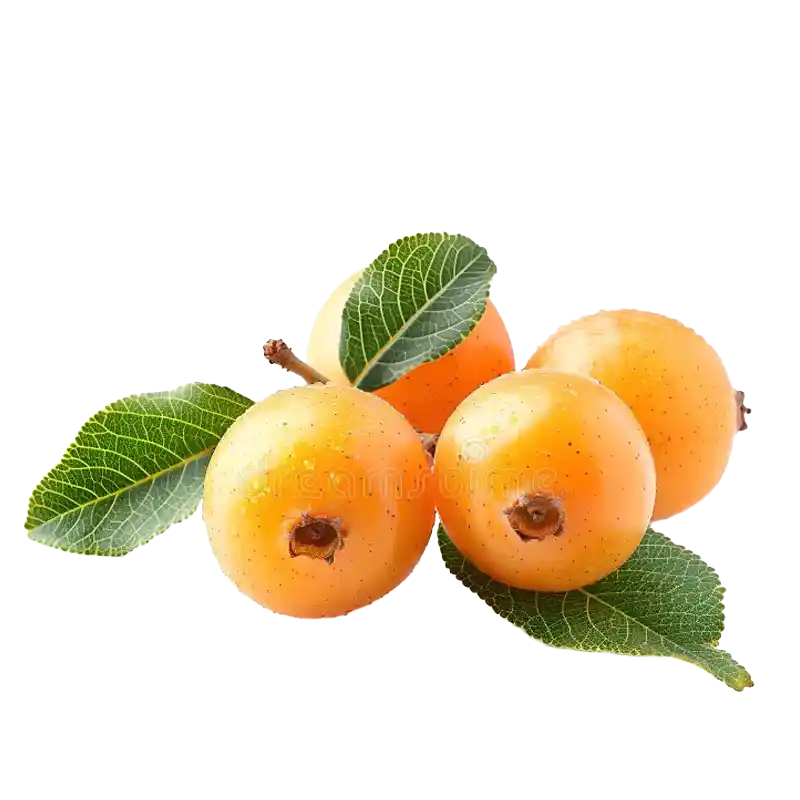
Eriobotrya japonica — loquat leaf, Pipaye — is used in Chinese medicine to clear the lungs and stop cough, and to settle the stomach against nausea; the leaf (with its underside hairs removed) is the medicine, and the fruit is eaten.ورق الإسكدنيا (Eriobotrya japonica) — «بي با يي» — يُستعمل في الطبّ الصيني لتصفية الرئتين ووقف السعال وتهدئة المعدة ضدّ الغثيان؛ والورقة (بعد إزالة زغب سطحها السفلي) هي الدواء، وتُؤكل الثمرة.
Categoryالفئة
• Cough / lung remedy (TCM)
• Anti-nausea / stomach-settling
• Anti-inflammatory
• Blood-sugar-supporting
• Antioxidant• علاجٌ للسعال / الرئة (طبّ صيني)
• مضادّ للغثيان / مُهدّئ للمعدة
• مضاد للالتهاب
• داعمٌ لسكر الدم
• مضاد للأكسدة
Habitatالموطن
An evergreen fruit tree of East Asia, grown for its orange fruit and medicinal leaves.شجرةُ فاكهةٍ دائمة الخضرة في شرق آسيا، تُزرع لثمرها البرتقالي وأوراقها الدوائية.
Parts usedالأجزاء المستخدمة
• Leaves (fruit is food)• الأوراق (الثمرة طعام)
Key constituentsالمكوّنات الفعّالة
• Triterpenes (ursolic, corosolic, maslinic acid)
• Flavonoids
• Sesquiterpene glycosides
• Amygdalin (trace)
• Tannins• تربينات ثلاثية (أورسوليك، كوروسوليك، ماسلينيك)
• فلافونويدات
• غليكوزيدات سسكويتربينية
• أميغدالين (أثر)
• عفص
Researchالأبحاث
Reviews confirm cough-relieving, anti-inflammatory, blood-sugar-lowering (corosolic acid) and antioxidant effects of the leaf and its triterpenes, supporting its classic lung and stomach uses; it is a common ingredient in cough syrups. Human clinical evidence is limited.تؤكّد المراجعات تأثيراتٍ مخفّفة للسعال ومضادة للالتهاب وخافضة لسكر الدم (حمض الكوروسوليك) ومضادة للأكسدة للورقة وتربيناتها، بما يدعم استعمالاتها الرئوية والمعدية الكلاسيكية؛ ومكوّنٌ شائع في أشربة السعال. والأدلة السريرية البشرية محدودة.
Published researchأبحاث منشورة
↗ Traditional uses, phytochemistry, pharmacology and toxicity of Eriobotrya japonica leaves — a summaryTraditional useالاستخدام التقليدي
Used in Chinese medicine for cough with phlegm, hoarse voice and lung heat, and for nausea, vomiting and hiccups from stomach heat; the fruit is a nourishing food.يُستعمل في الطبّ الصيني للسعال المُبلغِم وبحّة الصوت وحرارة الرئة، وللغثيان والقيء والفُواق من حرارة المعدة؛ والثمرة طعامٌ مُغذٍّ.
Current useالاستخدام الحالي
Used as prepared leaf decoction, in cough syrups (e.g. Pipa Gao) and extracts; fruit eaten fresh.يُستعمل مغليّ أوراقٍ مُحضَّرة وفي أشربة السعال (مثل «بي با غاو») ومستخلصات؛ وتُؤكل الثمرة طازجة.
Preparationsالتحضيرات
Prepared leaf decoction, Cough syrup, Extract; fruit (food)مغليّ أوراق مُحضَّرة، شراب سعال، مستخلص؛ الثمرة (طعام)
Used for these conditionsيُستخدم لهذه الحالات
Adult dosageجرعة البالغين
Traditional use per practitioner/product; the leaf should be de-haired and prepared.تقليدياً بحسب المختصّ/المنتج؛ وتُنزَع أوبار الورقة وتُحضَّر.
Child dosageجرعة الأطفال
Children’s cough syrups per label/practitioner.أشربة السعال للأطفال بحسب البطاقة/المختصّ.
Cautionتحذيرات
The medicinal leaf must have its fine underside hairs removed before use (they can irritate the throat). It may lower blood sugar. The leaf/seed contains trace amygdalin, so use prepared products in proper doses rather than large amounts of raw leaf. The fruit is a safe food.يجب نزع أوبار سطح الورقة السفلي الدقيقة قبل الاستعمال (قد تُهيّج الحلق). وقد يخفض سكر الدم. وتحوي الورقة/البذرة أثراً من الأميغدالين، فاستعمل المنتجات المُحضَّرة بجرعاتٍ سليمة لا كمياتٍ كبيرة من الورقة الخام. والثمرة طعامٌ آمن.
Pregnancy & nursingالحمل والرضاعة
Fruit is fine; use the medicinal leaf only under professional guidance in pregnancy.الثمرة مقبولة؛ وتُستعمل الورقة الدوائية بإشراف مختصّ فقط في الحمل.