Introductionمقدّمة
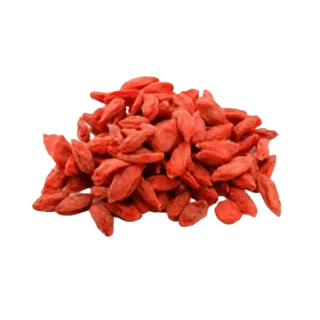
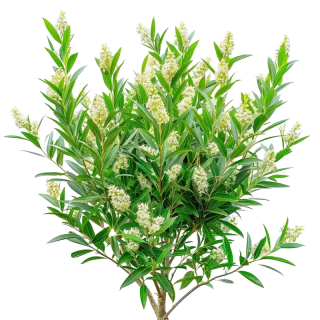
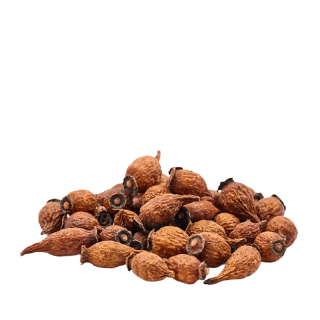
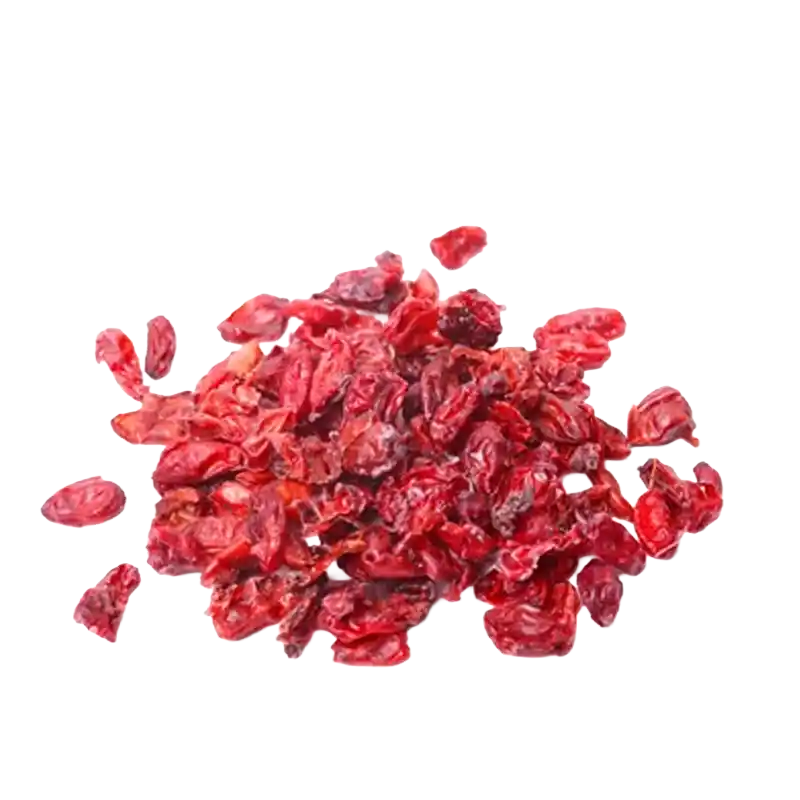
Cornus officinalis — Asiatic cornelian cherry, Shanzhuyu — is a Chinese-medicine fruit used as an astringent liver-and-kidney tonic, to stop excessive sweating, urination and bleeding and support the lower back.القرانيا الآسيوية (Cornus officinalis) — «شان تشو يو» — ثمرةٌ في الطبّ الصيني تُستعمل مقوّياً قابضاً للكبد والكلى، لوقف فرط التعرّق والتبوّل والنزف ودعم أسفل الظهر.
Categoryالفئة
• Liver & kidney tonic / astringent (TCM)
• Antioxidant
• Blood-sugar-supporting
• Immunomodulatory
• Anti-sweat / anti-leakage• مقوٍّ للكبد والكلى / قابض (طبّ صيني)
• مضاد للأكسدة
• داعمٌ لسكر الدم
• منظِّم للمناعة
• مضادّ للتعرّق / التسرّب
Habitatالموطن
A small tree of East Asia, whose red fruit (the flesh, minus the seed) is used.شجرةٌ صغيرة في شرق آسيا، تُستعمل ثمرتها الحمراء (اللحم دون البذرة).
Parts usedالأجزاء المستخدمة
• Fruit flesh• لحم الثمرة
Key constituentsالمكوّنات الفعّالة
• Iridoid glycosides (loganin, morroniside)
• Ursolic acid
• Tannins
• Flavonoids
• Organic acids• غليكوزيدات إيريدويدية (لوغانين، مورونيسيد)
• حمض الأورسوليك
• عفص
• فلافونويدات
• أحماض عضوية
Researchالأبحاث
Reviews confirm antioxidant, blood-sugar-lowering, immune-modulating, kidney-protective and astringent effects of the fruit and its iridoids (loganin, morroniside), supporting its tonic use; it is a key herb in the classic ‘Liu Wei Di Huang’ formula. Human clinical evidence is limited.تؤكّد المراجعات تأثيراتٍ مضادة للأكسدة وخافضة لسكر الدم ومنظِّمة للمناعة وواقية للكلى وقابضة للثمرة وإيريدويداتها (لوغانين، مورونيسيد)، بما يدعم استعمالها المقوّي؛ وهي عشبةٌ محورية في تركيبة «ليو وي دي هوانغ» الكلاسيكية. والأدلة السريرية البشرية محدودة.
Published researchأبحاث منشورة
↗ Ethnopharmacology, phytochemistry and pharmacology of Cornus officinalis Sieb. et Zucc.Traditional useالاستخدام التقليدي
Used in Chinese medicine for weak lower back and knees, dizziness, excessive sweating, frequent urination or incontinence, heavy periods, and to support the liver and kidneys.تُستعمل في الطبّ الصيني لأسفل الظهر والركبتين الضعيفين والدوار وفرط التعرّق وكثرة التبوّل أو سلس البول وغزارة الطمث ولدعم الكبد والكلى.
Current useالاستخدام الحالي
Used as fruit decoction, powder and extracts, in tonic formulas.تُستعمل مغليّ ثمار ومسحوقاً ومستخلصات، في تركيبات التقوية.
Preparationsالتحضيرات
Fruit decoction, Powder, Extractمغليّ الثمار، مسحوق، مستخلص
Used for these conditionsيُستخدم لهذه الحالات
Adult dosageجرعة البالغين
Traditional use per practitioner; for extracts follow the product.تقليدياً بحسب المختصّ؛ وللمستخلصات اتّبع الإرشاد.
Child dosageجرعة الأطفال
Use only under professional guidance for children.لا يُستعمل للأطفال إلا بإشراف مختصّ.
Cautionتحذيرات
Generally well tolerated. Because it is astringent, it may not suit acute infections with fever or difficult urination. It may lower blood sugar — take care with diabetes medicines. Use the seedless fruit flesh (the seed is traditionally removed). Use under a qualified practitioner.جيّد التحمّل عموماً. وكونها قابضة، قد لا تناسب العدوى الحادّة مع الحمّى أو عُسر التبوّل. وقد تخفض سكر الدم — انتبه مع أدوية السكري. ويُستعمل لحم الثمرة منزوع البذرة (تُزال البذرة تقليدياً). ويُستعمل بإشراف مختصّ مؤهّل.
Pregnancy & nursingالحمل والرضاعة
Use only under professional guidance in pregnancy.لا يُستعمل في الحمل إلا بإشراف مختصّ.