Introductionمقدّمة
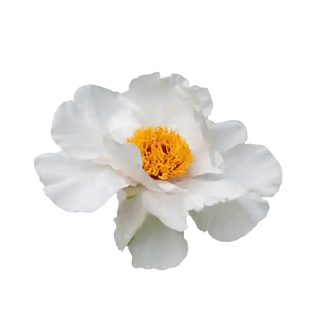
Bloodroot, scientifically known as Sanguinaria canadensis, is a perennial herb native to eastern North America. It is recognized for its distinctive appearance, with white flowers and a red-orange sap. Bloodroot has a long history of traditional use by Indigenous peoples and in herbal medicine. نبات الدم، المعروف علميًا باسم Sanguinaria canadensis، هو عشب معمر موطنه الأصلي شرق أمريكا الشمالية. يتميز بمظهره الفريد، بأزهاره البيضاء وعصارته ذات اللون الأحمر البرتقالي. ولنبات الدم تاريخ طويل من الاستخدام التقليدي لدى الشعوب الأصلية وفي الطب العشبي.
Categoryالفئة
• Traditional use as a topical escharotic agent
• Potential anti-inflammatory and antimicrobial effects
• Research on its alkaloids and medicinal properties• الاستخدام التقليدي كعامل موضعي مُقشِّر
• التأثيرات المحتملة المضادة للالتهابات والميكروبات
• أبحاث حول قلويداته وخصائصه الطبية
Habitatالموطن
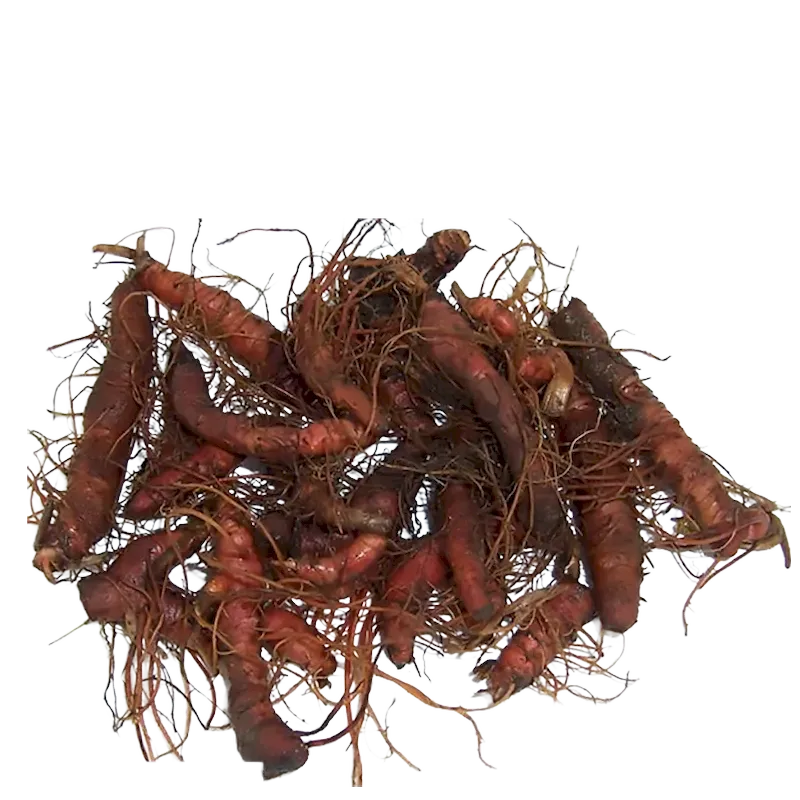
Bloodroot is commonly found in woodlands and shaded areas with moist, well-drained soil. It can also be cultivated for its medicinal properties. The primary part used is the rhizome, which contains bioactive compounds responsible for its potential health benefits.ينمو نبات الدم بكثرة في الغابات والمناطق المظللة ذات التربة الرطبة جيدة التصريف. ويمكن زراعته أيضاً لخصائصه الطبية. الجزء الأساسي المستخدم هو الجذمور، الذي يحتوي على مركبات حيوية مسؤولة عن فوائده الصحية المحتملة.
Parts usedالأجزاء المستخدمة
• Rhizome
• Tinctures
• Salves• جذور
• صبغات
• مراهم
Key constituentsالمكوّنات الفعّالة
• Quaternary benzophenanthridine alkaloids (major group): sanguinarine and chelerythrine as principal alkaloids, with additional benzophenanthridines such as sanguilutine, chelilutine, sanguirubine and chelirubine.
• Protopine-type alkaloids: protopine and allocryptopine as significant minor alkaloids.
• Protoberberine alkaloids (trace): berberine and coptisine in low levels.• قلويدات البنزوفينانثريدين الرباعية (المجموعة الرئيسية): السانغوينارين والتشيليريثيرين كقلويدات رئيسية، بالإضافة إلى بنزوفينانثريدينات أخرى مثل السانغيلوتين والتشيليوتين والسانغيروبين والتشيليروبين.
• قلويدات من نوع البروتوبين: البروتوبين والألوكريبتوبين كقلويدات ثانوية مهمة.
• قلويدات البروتوبربرين (آثار): البربرين والكوبتيسين بمستويات منخفضة.
Researchالأبحاث
Research on Bloodroot has focused on its alkaloids, particularly sanguinarine, and their potential anti-inflammatory, antimicrobial, and cytotoxic effects. It is traditionally used topically as an escharotic agent and has historical applications in herbal medicine.ركزت الأبحاث على نبات الدم (Bloodroot) على قلويداته، وخاصة السانغوينارين، وتأثيراته المحتملة المضادة للالتهابات والميكروبات والخلايا السرطانية. ويُستخدم تقليديًا موضعيًا كعامل مُقشِّر، وله استخدامات تاريخية في الطب العشبي.
Published researchأبحاث منشورة
↗ Sanguinaria canadensis: Traditional Medicine, Phytochemical Composition, Biological Activities and Current Uses↗ Botanical Briefs: Bloodroot (Sanguinaria canadensis)↗ Carcinogenic potential of sanguinarine, a phytochemical used in 'therapeutic' black salve and mouthwashTraditional useالاستخدام التقليدي
The primary part used in herbal medicine is the rhizome of Bloodroot, known for its bioactive compounds and potential therapeutic properties. It can be prepared as tinctures, salves, or used in traditional remedies for topical applications. يُعدّ جذمور نبات الدم الجزء الأساسي المستخدم في الطب العشبي، وهو معروف بمركباته النشطة بيولوجيًا وخصائصه العلاجية المحتملة. ويمكن تحضيره على شكل صبغات أو مراهم، أو استخدامه في العلاجات التقليدية للاستخدام الموضعي.
Current useالاستخدام الحالي
Bloodroot rhizome can be used to prepare tinctures, salves, or incorporated into traditional remedies for various topical applications. It is traditionally used as an escharotic agent and has historical applications in herbal medicine. يمكن استخدام جذور نبات الدم لتحضير الصبغات والمراهم، أو إضافتها إلى العلاجات التقليدية لمختلف الاستخدامات الموضعية. ويُستخدم تقليديًا كمادة كاوية، وله استخدامات تاريخية في الطب العشبي.
Preparationsالتحضيرات
Salve, Tinctureخلاصة سائلة, مرهم
Used for these conditionsيُستخدم لهذه الحالات
Adult dosageجرعة البالغين
Dosage recommendations for Bloodroot may vary depending on the intended use and preparation form. It is typically used topically and should be applied sparingly due to its potency. قد تختلف توصيات الجرعة لنبات الدم (Bloodroot) تبعاً للاستخدام المقصود وطريقة التحضير. يُستخدم عادةً موضعياً، ويجب استخدامه باعتدال نظراً لفعاليته.
Child dosageجرعة الأطفال
Consult with a qualified herbalist or healthcare provider for appropriate dosages for children based on their age and specific needs. استشر أخصائي أعشاب مؤهل أو مقدم رعاية صحية لتحديد الجرعات المناسبة للأطفال بناءً على أعمارهم واحتياجاتهم الخاصة.
Cautionتحذيرات
Bloodroot is toxic if swallowed and must not be taken internally. Topical 'black salve'/escharotic use is dangerous: it destroys healthy tissue, causes severe pain, permanent disfiguring scarring, and can leave underlying skin cancer untreated. The FDA warns consumers not to use black salve products. Do not apply bloodroot salves to skin lesions or suspected cancers; seek medical evaluation instead.نبات الدم سام إذا ابتُلع ويجب عدم تناوله داخلياً. استخدامه الموضعي في صورة 'المرهم الأسود' الكاوي خطير: فهو يدمر الأنسجة السليمة ويسبب ألماً شديداً وندوباً مشوّهة دائمة وقد يترك سرطان الجلد الكامن دون علاج. حذّرت هيئة الغذاء والدواء الأمريكية المستهلكين من استخدام منتجات المرهم الأسود. لا تضع مراهم نبات الدم على آفات الجلد أو الأورام المشتبه بها، واطلب التقييم الطبي بدلاً من ذلك.
Pregnancy & nursingالحمل والرضاعة
Avoid during pregnancy and breastfeeding. Bloodroot contains toxic benzophenanthridine alkaloids (sanguinarine) and should not be used internally or extensively on the skin during pregnancy or lactation.يُمنع أثناء الحمل والرضاعة. يحتوي نبات الدم على قلويدات بنزوفينانثريدين سامة (سانغوينارين) ولا ينبغي استخدامه داخلياً أو على نطاق واسع على الجلد خلال الحمل أو الرضاعة.