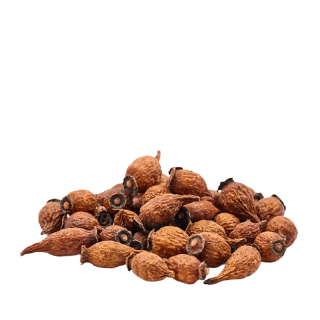
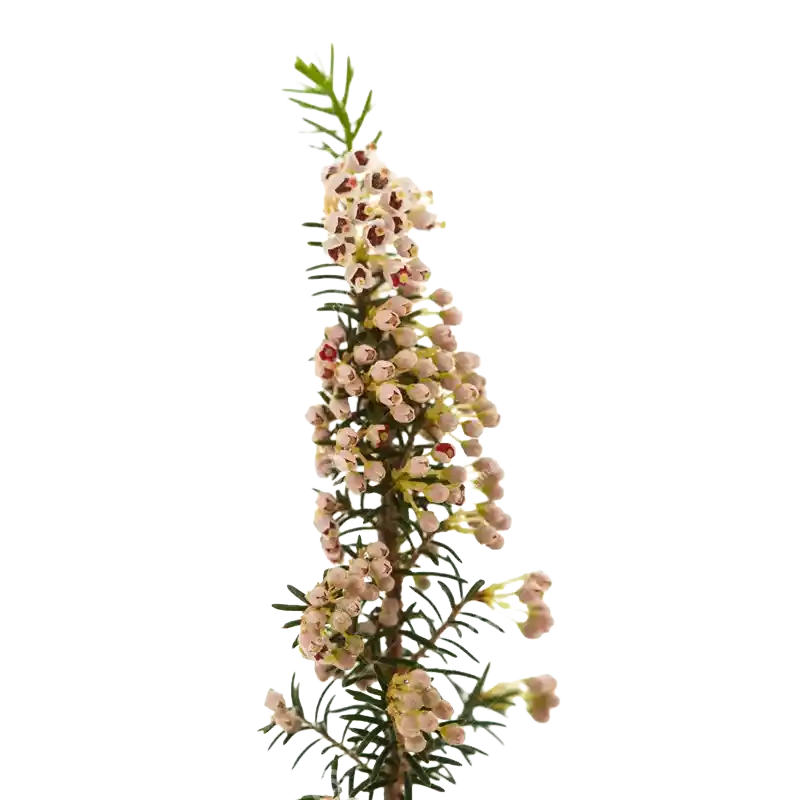
Introductionمقدّمة
Erica arborea (tree heath) is a tall Mediterranean heather used in folk medicine as a urinary antiseptic and diuretic. Studies confirm antioxidant, anti-inflammatory and antibacterial activity in its flowers and leaves.الخُلَنْج الشجري (Erica arborea) خلنجٌ متوسّطيّ طويل يُستعمل شعبياً مطهّراً بولياً ومُدرّاً. وتؤكّد الدراسات نشاطاً مضاداً للأكسدة والالتهاب والجراثيم في أزهاره وأوراقه.
Categoryالفئة
• Heather family — urinary antiseptic
• Diuretic (traditional)
• Antioxidant
• Anti-inflammatory
• Source of briar-root pipes• من فصيلة الخلنج — مطهّر بولي
• مُدرّ للبول (تقليدي)
• مضاد للأكسدة
• مضاد للالتهاب
• مصدر غلايين جذر البرير
Habitatالموطن
A large, white-flowered heather of Mediterranean scrub and hillsides; its root-burl is used to make briar tobacco pipes.خلنجٌ كبير أبيض الأزهار في أحراش وسفوح المتوسّط؛ ويُصنَع من عُقدة جذره غلايين التبغ (البرير).
Parts usedالأجزاء المستخدمة
• Flowers
• Leaves
• Aerial parts• الأزهار
• الأوراق
• الأجزاء الهوائية
Key constituentsالمكوّنات الفعّالة
• Arbutin (urinary antiseptic)
• Flavonoids
• Tannins
• Phenolic acids
• Ursolic acid• أربوتين (مطهّر بولي)
• فلافونويدات
• عفص
• أحماض فينولية
• حمض أورسوليك
Researchالأبحاث
Studies of Erica arborea flowers and leaves report antioxidant, anti-inflammatory, antibacterial and anti-urolithiatic (anti-kidney-stone) activity, supporting its traditional use for the urinary tract. The arbutin content links it to the milder antiseptic action of the heather family. Evidence is mostly preclinical.تذكر دراسات أزهار وأوراق الخُلَنْج الشجري نشاطاً مضاداً للأكسدة والالتهاب والجراثيم ومضاداً لحصى الكلى، بما يدعم استعماله التقليدي للمسالك البولية. ويربطه محتوى الأربوتين بالفعل المطهّر الألطف لفصيلة الخلنج. والأدلة أوّلية غالباً.
Published researchأبحاث منشورة
Traditional useالاستخدام التقليدي
Used around the Mediterranean and North Africa as a diuretic and urinary antiseptic for cystitis and stones, and as an astringent for diarrhoea and the skin.يُستعمل حول المتوسّط وشمال إفريقيا مُدرّاً ومطهّراً بولياً لالتهاب المثانة والحصى، وقابضاً للإسهال والجلد.
Current useالاستخدام الحالي
Used in herbal urinary and 'kidney' teas; the flowers are a folk diuretic.يُستعمل في شاي المسالك و«الكلى» العشبي؛ والأزهار مُدرٌّ شعبي.
Preparationsالتحضيرات
Flower/leaf infusion, Extractنقيع أزهار/أوراق، مستخلص
Used for these conditionsيُستخدم لهذه الحالات
Adult dosageجرعة البالغين
Infusion of 1.5–2 g dried flowers/leaves, 2–3 times daily, with plenty of water.نقيع 1.5–2 غ أزهار/أوراق مجفّفة، 2–3 مرات يومياً، مع ماءٍ وفير.
Child dosageجرعة الأطفال
Not generally used for young children.لا يُستعمل عادةً لصغار الأطفال.
Cautionتحذيرات
Generally mild. Arbutin-containing urinary herbs are best used short-term; prolonged high doses are discouraged. The tannins can cause mild stomach upset. Drink plenty of water when using it for the urinary tract, and see a doctor for fever or blood in the urine.لطيفٌ عموماً. والأعشاب البولية المحتوية على الأربوتين تُستعمل قصير الأمد؛ ويُثبَّط تعاطي الجرعات العالية المطوّلة. وقد يسبّب العفص انزعاجاً معوياً خفيفاً. اشرب ماءً وفيراً عند استعماله للمسالك، وراجع الطبيب عند الحمّى أو الدم في البول.
Pregnancy & nursingالحمل والرضاعة
Avoid concentrated/arbutin-rich preparations in pregnancy; occasional mild tea only.تُتجنَّب التحضيرات المركّزة/الغنية بالأربوتين في الحمل؛ شايٌ خفيف أحياناً فقط.