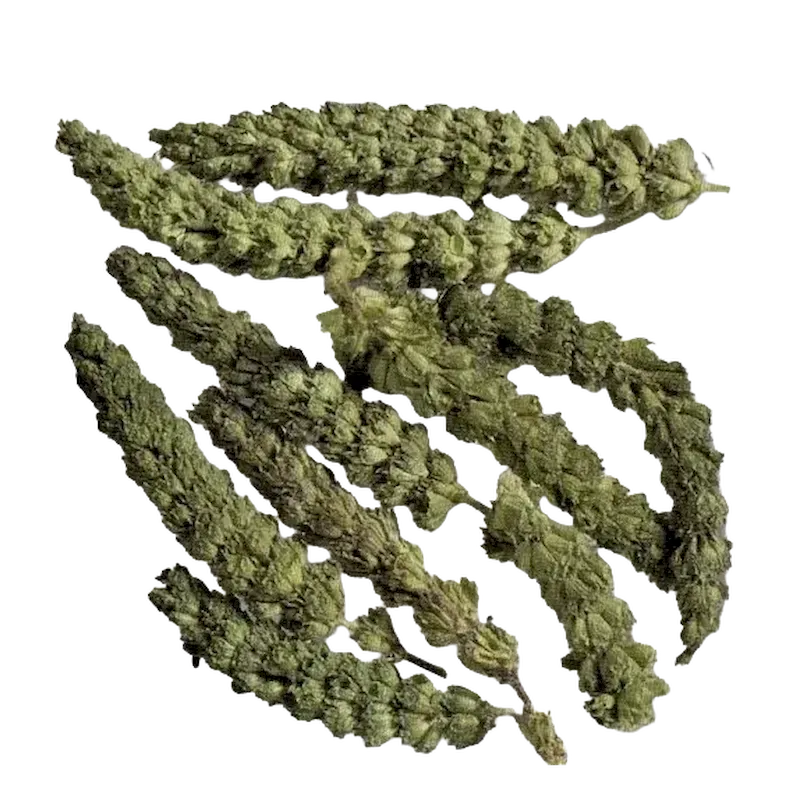
Introductionمقدّمة
Jing Jie, scientifically known as Schizonepeta tenuifolia, is an aromatic herb used in traditional Chinese medicine. It is native to China and other parts of East Asia. Jing Jie is valued for its potential medicinal properties and is a member of the Lamiaceae family. نبات جينغ جي، المعروف علميًا باسم Schizonepeta tenuifolia، هو عشب عطري يُستخدم في الطب الصيني التقليدي. موطنه الأصلي الصين وأجزاء أخرى من شرق آسيا. يُقدّر نبات جينغ جي لخصائصه الطبية المحتملة، وهو ينتمي إلى الفصيلة الشفوية (Lamiaceae).
Categoryالفئة
• Potential antipyretic and anti-inflammatory effects
• Traditional use for skin conditions and respiratory health
• Limited modern research• تأثيرات محتملة خافضة للحرارة ومضادة للالتهابات
• استخدام تقليدي لأمراض الجلد وصحة الجهاز التنفسي
• أبحاث حديثة محدودة
Habitatالموطن
Jing Jie can be found in various regions of China and is often cultivated for its aerial parts, particularly the leaves and stems, which are used for their potential therapeutic benefits. It prefers well-drained soils and is harvested during the flowering season. The primary parts used are the leaves and stems, known for their aromatic and medicinal properties. يُزرع نبات جينغ جيه في مناطق مختلفة من الصين، ويُستَخدم غالبًا لأجزائه الهوائية، وخاصة الأوراق والسيقان، لما لها من فوائد علاجية محتملة. يُفضّل هذا النبات التربة جيدة التصريف، ويُحصد خلال موسم الإزهار. وتُعدّ الأوراق والسيقان الأجزاء الرئيسية المستخدمة، والمعروفة بخصائصها العطرية والطبية.
Parts usedالأجزاء المستخدمة
• Leaves and Stems
• Herbal decoctions
• Tinctures• الأوراق والسيقان
• مغلي الأعشاب
• الصبغات
Key constituentsالمكوّنات الفعّالة
• Monoterpenes in essential oil (major): pulegone, menthone/iso‑menthone, menthofuran, limonene, isopulegol; plus other monoterpenes like piperitone.
• Other volatile components: β‑caryophyllene and caryophyllene oxide, 1‑octen‑3‑ol, 3‑octanone, benzaldehyde, various aldehydes, ketones, alcohols and esters.
• Nonvolatile constituents: flavonoids (e.g., hesperidin and other flavonoids), phenolic acids such as caffeic acid, plus terpenoids like schizonodiol.• أحاديات التربين في الزيت العطري (الرئيسية): بوليغون، مينثون/أيزومينثون، مينثوفوران، ليمونين، أيزوبوليغول؛ بالإضافة إلى أحاديات تربين أخرى مثل البيبيريتون.
• مكونات متطايرة أخرى: بيتا-كاريوفيلين وأكسيد الكاريوفيلين، 1-أوكتين-3-أول، 3-أوكتانون، بنزالدهيد، ألدهيدات وكيتونات وكحولات وإسترات متنوعة.
• مكونات غير متطايرة: فلافونويدات (مثل هيسبيريدين وفلافونويدات أخرى)، أحماض فينولية مثل حمض الكافيين، بالإضافة إلى تربينويدات مثل شيزونوديول.
Researchالأبحاث
Research on Jing Jie has focused on its chemical constituents, including essential oils like pulegone and limonene, and their potential antipyretic and anti-inflammatory effects. It is traditionally used for skin conditions, respiratory health, and other health benefits. ركزت الأبحاث على نبات جينغ جي على مكوناته الكيميائية، بما في ذلك الزيوت العطرية مثل البوليغون والليمونين، وتأثيراتها المحتملة في خفض الحرارة ومكافحة الالتهابات. ويُستخدم تقليديًا لعلاج الأمراض الجلدية، ودعم صحة الجهاز التنفسي، وغيرها من الفوائد الصحية.
Published researchأبحاث منشورة
↗ Schizonepeta tenuifolia: chemistry, pharmacology, and clinical applications↗ Anti-inflammatory activity of Schizonepeta tenuifolia through the inhibition of MAPK phosphorylation in mouse peritoneal macrophages↗ Schizonepeta tenuifolia ethanol extract exerts anti-inflammatory activity through the inhibition of TLR4 signaling in lipopolysaccharide-stimulated macrophage cellsTraditional useالاستخدام التقليدي
The primary parts used in herbal medicine are the leaves and stems of Jing Jie, known for their aromatic properties and potential therapeutic effects. It can be prepared as herbal decoctions, tinctures, or used in traditional remedies for various purposes.تُعدّ أوراق وسيقان نبات جينغ جيه الأجزاء الأساسية المستخدمة في الطب العشبي، وهي معروفة بخصائصها العطرية وفوائدها العلاجية المحتملة. ويمكن تحضيرها على شكل مغليّات عشبية أو صبغات، أو استخدامها في العلاجات التقليدية لأغراض متنوعة.
Current useالاستخدام الحالي
Jing Jie leaves and stems can be used to prepare herbal decoctions, tinctures, or incorporated into traditional remedies. It is traditionally used for skin conditions, respiratory health, and other potential health benefits. يمكن استخدام أوراق وسيقان نبات جينغ جيه لتحضير مغلي الأعشاب، أو الصبغات، أو إضافتها إلى العلاجات التقليدية. ويُستخدم تقليديًا لعلاج الأمراض الجلدية، وصحة الجهاز التنفسي، وغيرها من الفوائد الصحية المحتملة.
Preparationsالتحضيرات
Decoction, Tinctureخلاصة سائلة, مغلي
Used for these conditionsيُستخدم لهذه الحالات
Adult dosageجرعة البالغين
Dosage recommendations for Jing Jie may vary depending on the intended use and preparation form. It is typically used in appropriate quantities for its potential therapeutic effects. قد تختلف توصيات الجرعات لدواء جينغ جيه تبعاً للاستخدام المقصود وطريقة التحضير. ويُستخدم عادةً بكميات مناسبة لتحقيق فوائده العلاجية المحتملة.
Child dosageجرعة الأطفال
Consult with a qualified herbalist or healthcare provider for appropriate dosages for children based on their age and specific needs. استشر أخصائي أعشاب مؤهل أو مقدم رعاية صحية لتحديد الجرعات المناسبة للأطفال بناءً على أعمارهم واحتياجاتهم الخاصة.
Cautionتحذيرات
Jing Jie is generally considered safe when used as directed for its intended purposes. However, individual reactions may vary, and it is advisable to consult with a qualified healthcare provider if you have specific health concerns or are taking medications. يُعتبر جينغ جي آمناً بشكل عام عند استخدامه وفقاً للإرشادات وللأغراض المخصصة له. مع ذلك، قد تختلف ردود الفعل الفردية، ويُنصح باستشارة طبيب مختص في حال وجود أي مخاوف صحية محددة أو تناول أدوية.
Pregnancy & nursingالحمل والرضاعة
Avoid concentrated essential oil and high therapeutic doses during pregnancy and breastfeeding; the essential oil contains pulegone and menthone (pennyroyal-type ketones) that are potentially hepatotoxic and abortifacient.يُتجنب الزيت العطري المركّز والجرعات العلاجية العالية أثناء الحمل والرضاعة؛ إذ يحتوي الزيت العطري على البوليغون والمينثون (كيتونات من نوع البنّي/البوليغون) التي قد تكون سامة للكبد ومُجهِضة.