Introductionمقدّمة
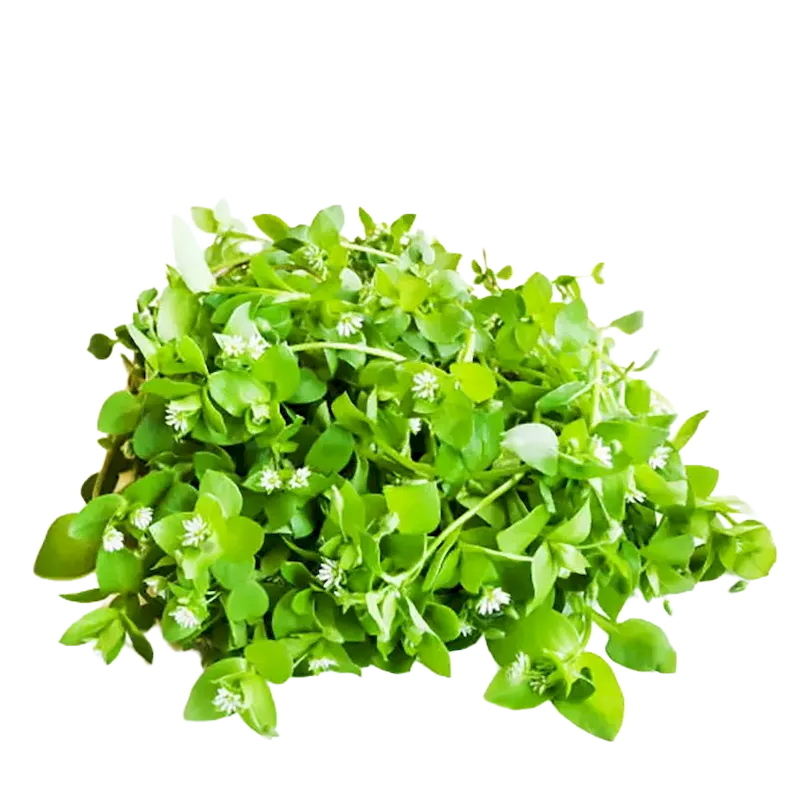
Chickweed, scientifically known as Stellaria media, is a small, low-growing herbaceous plant belonging to the Caryophyllaceae family. It is native to Europe but is now widespread across North America and other regions. Chickweed is recognized for its tender green leaves and delicate white flowers. It has a history of traditional use and is valued for its potential medicinal properties. نبات الحشيشة، المعروف علميًا باسم Stellaria media، هو نبات عشبي صغير منخفض النمو ينتمي إلى الفصيلة القرنفلية. موطنه الأصلي أوروبا، ولكنه ينتشر الآن على نطاق واسع في أمريكا الشمالية ومناطق أخرى. تشتهر الحشيشة بأوراقها الخضراء الرقيقة وأزهارها البيضاء الناعمة. ولها تاريخ طويل من الاستخدام التقليدي، وتُقدّر لخصائصها الطبية المحتملة.
Categoryالفئة
• Potential demulcent and emollient effects
• Potential anti-inflammatory and soothing properties
• Traditional use for skin conditions and respiratory support• تأثيرات مُلطفة ومُرطبة محتملة
• خصائص مُضادة للالتهابات ومُهدئة محتملة
• الاستخدام التقليدي لحالات الجلد ودعم الجهاز التنفسي
Habitatالموطن
Chickweed can be found in a variety of habitats, including gardens, fields, and disturbed areas. It is known for its ability to thrive in moist, fertile soils. Chickweed is not typically cultivated but is often considered a common garden weed. The aerial parts of the plant, including the leaves and stems, are used for their potential therapeutic benefits.يُمكن العثور على نبات الحشيشة في بيئات متنوعة، تشمل الحدائق والحقول والمناطق المتضررة. وهو معروف بقدرته على النمو في التربة الرطبة الخصبة. لا يُزرع نبات الحشيشة عادةً، ولكنه يُعتبر من الأعشاب الضارة الشائعة في الحدائق. تُستخدم الأجزاء الهوائية من النبات، بما في ذلك الأوراق والسيقان، لفوائدها العلاجية المحتملة.
Parts usedالأجزاء المستخدمة
• Aerial parts (leaves, stems) • الأجزاء الهوائية (الأوراق، السيقان)
Key constituentsالمكوّنات الفعّالة
• Phenolic acids: vanillic, p‑hydroxybenzoic, ferulic, caffeic and chlorogenic acids as prominent low‑molecular‑weight phenolics.
• Flavonoids and flavone C‑glycosides: apigenin, luteolin, genistein, isoquercitrin, vicenin‑2 and other flavone/flavonol derivatives, often major secondary metabolites.
• Triterpenoid saponins: notably gypsogenin‑ and oleanolic‑acid type saponins, frequently highlighted as characteristic constituents.
• Other secondary metabolites: tannins, general phenolic compounds, steroids/sterols, terpenoids, anthraquinone derivatives, oligosaccharide stellariose and fatty acids.
• Nutritional components: proteins with about 16 amino acids (including several essential ones), vitamins (ascorbic acid, carotenoids, tocopherols, B‑vitamins) and minerals such as calcium, iron, phosphorus, zinc and others.• الأحماض الفينولية: حمض الفانيليك، وحمض بارا-هيدروكسي بنزويك، وحمض الفيروليك، وحمض الكافيين، وحمض الكلوروجينيك، وهي مركبات فينولية بارزة ذات وزن جزيئي منخفض.
• الفلافونويدات وجليكوسيدات الفلافون C: أبيجينين، ولوتولين، وجينيستين، وإيزوكيرسيتين، وفيسينين-2، ومشتقات أخرى من الفلافون/الفلافونول، وغالبًا ما تكون من المستقلبات الثانوية الرئيسية.
• صابونينات الترايتيربينويد: ولا سيما صابونينات الجيبسوجينين وحمض الأوليانوليك، والتي غالبًا ما تُذكر كمكونات مميزة.
• مستقلبات ثانوية أخرى: التانينات، والمركبات الفينولية العامة، والستيرويدات/الستيرولات، والتربينويدات، ومشتقات الأنثراكينون، والسكريات قليلة التعدد ستيلاريوز، والأحماض الدهنية.
• المكونات الغذائية: بروتينات تحتوي على حوالي 16 حمض أميني (بما في ذلك العديد من الأحماض الأمينية الأساسية)، والفيتامينات (حمض الأسكوربيك، والكاروتينات، والتوكوفيرولات، وفيتامينات ب) والمعادن مثل الكالسيوم والحديد والفوسفور والزنك وغيرها.
Researchالأبحاث
Research on Chickweed has explored its chemical constituents, including saponins, flavonoids, and vitamins like vitamin C. It is traditionally associated with demulcent and emollient effects, as well as potential anti-inflammatory and soothing properties. Historical use includes addressing skin conditions and providing respiratory support. استكشفت الأبحاث التي أُجريت على نبات الحشيشة مكوناته الكيميائية، بما في ذلك الصابونين والفلافونويدات والفيتامينات مثل فيتامين ج. ويرتبط هذا النبات تقليديًا بخصائصه الملطفة والمرطبة، فضلاً عن خصائصه المحتملة المضادة للالتهابات والمهدئة. وتشمل استخداماته التاريخية علاج الأمراض الجلدية ودعم الجهاز التنفسي.
Published researchأبحاث منشورة
↗ Stellaria media (L.) Vill.- A plant with immense therapeutic potential: phytochemistry and pharmacology↗ Stellaria media tea protects against diabetes-induced cardiac dysfunction in rats without affecting glucose tolerance↗ Effect of Stellaria media Tea on Lipid Profile in RatsTraditional useالاستخدام التقليدي
The aerial parts of Chickweed, including the leaves and stems, are used for their potential therapeutic benefits. It is known for its traditional use in addressing skin conditions and providing respiratory support. تُستخدم الأجزاء الهوائية من نبات الحشيشة، بما في ذلك الأوراق والسيقان، لفوائدها العلاجية المحتملة. وهو معروف باستخدامه التقليدي في علاج الأمراض الجلدية ودعم الجهاز التنفسي.
Current useالاستخدام الحالي
Chickweed can be prepared as herbal infusions, poultices, salves, or used in traditional remedies. Its uses may vary based on traditional knowledge and desired applications. It is traditionally used for addressing skin issues and providing respiratory support. يمكن تحضير نبات الحشيشة على شكل مشروبات عشبية، أو كمادات، أو مراهم، أو استخدامه في العلاجات التقليدية. وتختلف استخداماته باختلاف المعارف التقليدية والاستخدامات المرغوبة. ويُستخدم تقليديًا لعلاج مشاكل الجلد ودعم الجهاز التنفسي.
Preparationsالتحضيرات
Infusion, Poultice, Salveلبخة, مرهم, منقوع
Used for these conditionsيُستخدم لهذه الحالات
Adult dosageجرعة البالغين
Dosage recommendations for Chickweed may vary based on the specific product or remedy. It is typically used in appropriate quantities for the intended purpose. Consult with a qualified herbalist or healthcare provider for guidance on therapeutic dosages. قد تختلف توصيات جرعات نبات الحشيشة باختلاف المنتج أو العلاج المستخدم. ويُستخدم عادةً بكميات مناسبة للغرض المقصود. استشر أخصائي أعشاب مؤهلاً أو مقدم رعاية صحية للحصول على إرشادات بشأن الجرعات العلاجية.
Child dosageجرعة الأطفال
Dosages for Chickweed may vary depending on the intended use and preparation form. It is advisable to consult with a qualified herbalist or healthcare provider for guidance on dosages and usage. قد تختلف جرعات عشبة الحشيشة حسب الاستخدام المقصود وطريقة التحضير. يُنصح باستشارة أخصائي أعشاب مؤهل أو مقدم رعاية صحية للحصول على إرشادات بشأن الجرعات وطريقة الاستخدام.
Cautionتحذيرات
Chickweed is generally considered safe when used appropriately. However, as with any herbal remedy, individual reactions may vary. It is advisable to consult with a qualified healthcare provider if you have any underlying health conditions or are taking medications. يُعتبر نبات الحشيشة آمناً بشكل عام عند استخدامه بالطريقة الصحيحة. مع ذلك، وكما هو الحال مع أي علاج عشبي، قد تختلف ردود فعل الأفراد. يُنصح باستشارة طبيب مختص إذا كنت تعاني من أي مشاكل صحية أو تتناول أدوية.