Introductionمقدّمة
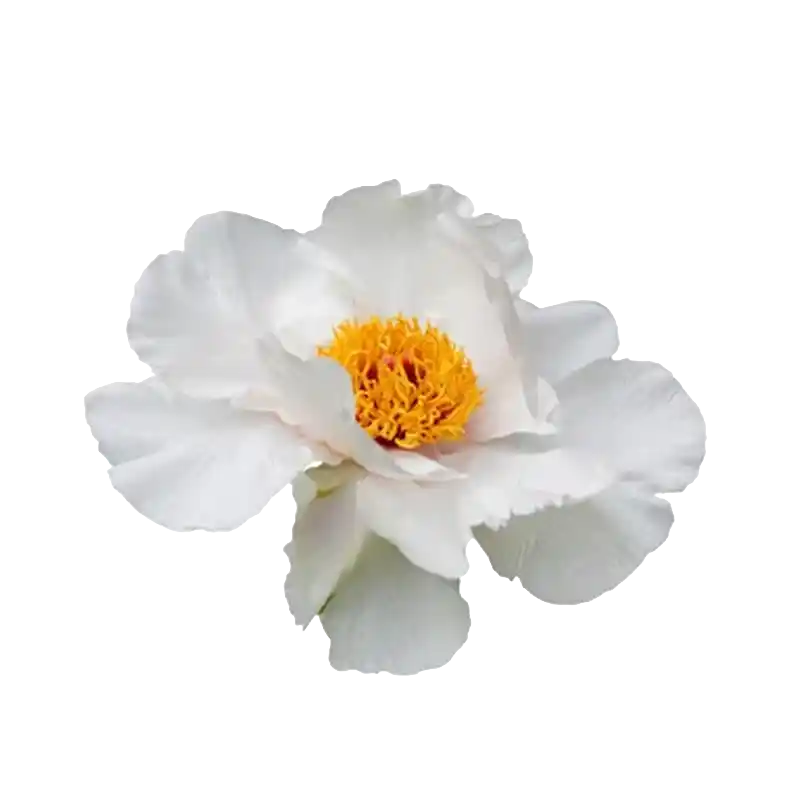
Paeonia suffruticosa — tree peony, Mudanpi (Moutan cortex) — is the root bark used in Chinese medicine to “cool the blood” and clear heat, for fevers, skin inflammation and menstrual complaints; its key compound is paeonol.لحاء الفاوانيا الشجرية (Paeonia suffruticosa) — «مو دان بي» (قشرة الموتان) — لحاء الجذر يُستعمل في الطبّ الصيني «لتبريد الدم» وتصفية الحرارة، للحمّيات والتهاب الجلد وشكاوى الطمث؛ ومركّبها الرئيس «البايونول».
Categoryالفئة
• “Cools blood” / anti-inflammatory (TCM)
• Antioxidant
• Antibacterial
• Antiplatelet / circulation
• Antipyretic• «يُبرّد الدم» / مضاد للالتهاب (طبّ صيني)
• مضاد للأكسدة
• مضاد للجراثيم
• مضادّ للصفيحات / الدورة
• خافضٌ للحرارة
Habitatالموطن
A famous ornamental tree peony of China, whose root bark is used medicinally.فاوانيا شجرية زينة شهيرة في الصين، يُستعمل لحاء جذرها دواءً.
Parts usedالأجزاء المستخدمة
• Root bark• لحاء الجذر
Key constituentsالمكوّنات الفعّالة
• Paeonol
• Paeoniflorin (monoterpene glycoside)
• Tannins (gallotannins)
• Sterols
• Flavonoids• بايونول
• بايونيفلورين (غليكوزيد أحاديّ التربين)
• عفص (غالوتانينات)
• ستيرولات
• فلافونويدات
Researchالأبحاث
Reviews and animal studies confirm anti-inflammatory, antioxidant, antibacterial, blood-sugar-lowering and circulation-improving effects, largely from paeonol, supporting the classic ‘cool the blood’ use; it is also studied for the skin and cosmetics. Human clinical evidence is limited.تؤكّد المراجعات ودراسات الحيوان تأثيراتٍ مضادة للالتهاب والأكسدة والجراثيم وخافضة لسكر الدم ومُحسِّنة للدورة، غالباً من «البايونول»، بما يدعم استعمال «تبريد الدم» الكلاسيكي؛ وتُدرَس أيضاً للجلد والتجميل. والأدلة السريرية البشرية محدودة.
Traditional useالاستخدام التقليدي
Used in Chinese medicine for fevers and night sweats, nosebleeds and skin rashes (‘blood heat’), menstrual pain and masses, and inflammation.يُستعمل في الطبّ الصيني للحمّيات والتعرّق الليلي والرُّعاف والطفح الجلدي («حرارة الدم») وآلام الطمث والكتل والالتهاب.
Current useالاستخدام الحالي
Used as root-bark decoction, powder and extracts, in ‘cool blood’ and gynaecological formulas; paeonol is used in some skin products.يُستعمل مغليّ لحاء الجذر ومسحوقاً ومستخلصات، في تركيبات «تبريد الدم» والنساء؛ ويُستعمل البايونول في بعض منتجات الجلد.
Preparationsالتحضيرات
Root-bark decoction, Powder, Extractمغليّ لحاء الجذر، مسحوق، مستخلص
Used for these conditionsيُستخدم لهذه الحالات
Adult dosageجرعة البالغين
Traditional use per practitioner; for extracts follow the product.تقليدياً بحسب المختصّ؛ وللمستخلصات اتّبع الإرشاد.
Child dosageجرعة الأطفال
Use only under professional guidance for children.لا يُستعمل للأطفال إلا بإشراف مختصّ.
Cautionتحذيرات
Because it moves the blood and reduces platelet clumping, it can add to blood-thinners and increase bleeding risk — take care around surgery and heavy periods. Avoid in pregnancy. Use under a qualified practitioner.لأنه يُنشّط الدم ويقلّل تكتّل الصفيحات، قد يُضاف إلى مميّعات الدم ويزيد خطر النزف — انتبه قرب الجراحة ومع غزارة الطمث. ويُتجنَّب في الحمل. ويُستعمل بإشراف مختصّ مؤهّل.
Pregnancy & nursingالحمل والرضاعة
Avoid in pregnancy — it moves the blood and can stimulate the uterus.يُتجنَّب في الحمل — فهو يُنشّط الدم وقد يُنبّه الرحم.